Geopolitical Trade Dynamics
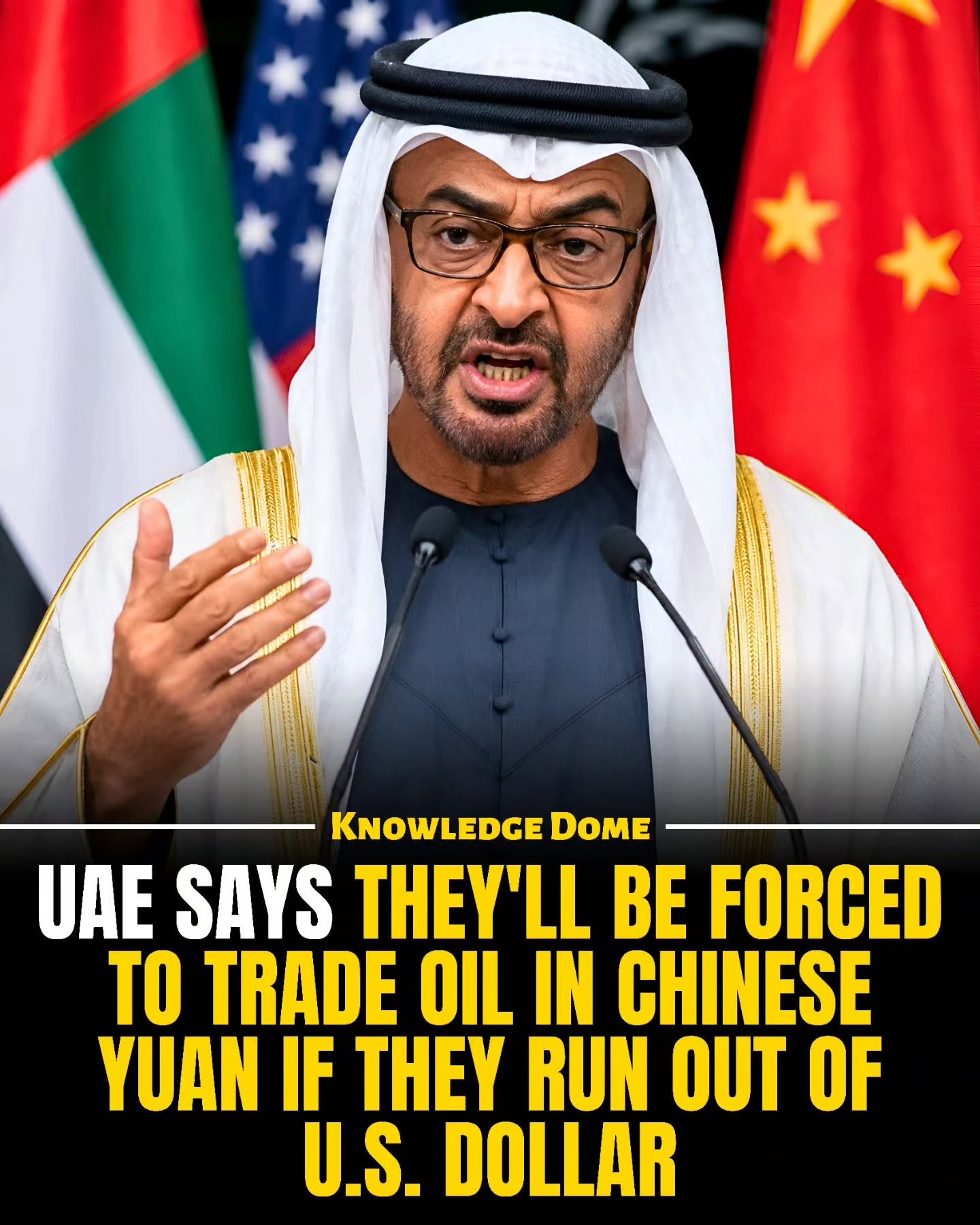
The United Arab Emirates (UAE) recently warned the United States that it may need to use the Chinese yuan for some of its oil sales if regional conflicts make it difficult to obtain U.S. dollars. This shift comes at a time when the UAE is also seeking an emergency financial safety net to safeguard its economy amid wartime pressures. This development is significant because the U.S. dollar has been the primary currency used in global oil transactions for decades. If a major Gulf country like the UAE starts conducting some of its oil deals in yuan, it could destabilize the existing system that has long supported the dollar.
Why This Matters
The global oil trade and currency markets are deeply interconnected, making the UAE's threat to switch to the yuan a significant geopolitical move. The U.S. dollar has long enjoyed a privileged status in global trade, particularly in the oil sector, due to its stability and widespread acceptance. However, geopolitical tensions and economic pressures are prompting countries to reevaluate their currency strategies, which could lead to a shift in global financial dynamics.
The UAE's Motivations
An oil-rich country like the UAE, the global oil trade plays a critical role in the UAE's economy. The primary reason for the UAE's contemplation to use the yuan is to safeguard its economy from potential disruptions due to regional conflicts. The UAE has asked for an emergency financial safety net from the U.S. Federal Reserve, which would provide easier access to dollars during a crisis. This arrangement is similar to those the Fed has with other major allies, providing a critical line of defense against financial turmoil.
Potential Implications
The potential shift from the U.S. dollar to the Chinese yuan in global oil trade could have wide-ranging implications.
Impact on Global Currency Markets
If a major player like the UAE starts trading oil in yuan, it could lead to a broader acceptance of the yuan in global trade. This shift would weaken the U.S. dollar's dominance and could potentially lead to increased demand for the yuan, affecting global currency markets. It could also prompt other countries to consider similar moves, further accelerating a decline in the dollar's status.
Geopolitical Ramifications
The move could also alter the geopolitical landscape. The U.S. has long used its economic power, including dollar dominance, to influence global politics. A shift towards the yuan could erode this influence, giving China more leverage in international affairs.
Practical Tips
For those involved in global trade, especially in the oil sector, understanding these potential shifts is crucial. Here are some practical tips:
Stay Informed
Keep an eye on geopolitical developments and how they affect the financial landscape. The potential shift from the U.S. dollar to the Chinese yuan highlights the need for agility in financial strategies.
Diversify Financial Strategies
Companies and countries should diversify their financial strategies to avoid dependence on a single currency. This could involve holding reserves in multiple currencies, including the yuan, to mitigate risks associated with currency fluctuations.
Build Stronger Financial Safety Nets
For countries involved in global trade, building stronger financial safety nets, similar to the currency swap lines the UAE has requested, can provide a cushion during economic stress. This can help maintain stability and continuity in trade operations.
Important Takeaways
The UAE's potential shift to the yuan for some of its oil sales underscores several critical points:
- Currency Dependence: The dominance of the U.S. dollar in global oil trade is under scrutiny due to geopolitical tensions.
- Financial Safety Nets: Emergency financial arrangements, like the currency swap line the UAE sought, are crucial for maintaining economic stability during crises.
- Global Trade Dynamics: Changes in currency preferences can significantly impact global trade and geopolitics.
Conclusion
The UAE's potential move to trade oil in yuan highlights the rapidly changing dynamics in global trade and finance. As geopolitical tensions and economic pressures evolve, countries are forced to reevaluate their financial strategies and seek alternative measures to safeguard their economies. Understanding these shifts and their potential consequences is vital for anyone involved in global trade and finance.
Watch the Reel
Questions readers ask
Why is the UAE considering using the Chinese yuan for oil sales?
The UAE is exploring the use of the Chinese yuan for oil sales primarily due to regional conflicts that are making it difficult to obtain U.S. dollars, the currency traditionally used in global oil transactions.
What effect might the UAE using yuan for oil sales have on the U.S. dollar?
If the UAE, a major player in the global oil market, starts using yuan for some of its oil sales, it could weaken the U.S. dollar's dominance in global oil transactions, potentially leading to a decline in the dollar's overall demand and influence.
How might the switch to yuan impact the global oil trade?
A shift to yuan in the global oil trade could lead to fluctuations in currency markets, altered trade dynamics, and potential changes in how countries price and exchange oil. It could also lead to a reassessment of financial strategies among other oil-producing nations.
What are the potential benefits for the UAE in adopting the yuan in oil sales?
The UAE could gain a level of financial security and flexibility by diversifying its currency use in oil sales, potentially avoiding disruptions caused by regional conflicts that affect U.S. dollar availability. This could also improve relations with China, a significant trading partner.
Which countries could follow the UAE in switching to the yuan for oil transactions?
Other Arab oil-producing countries might consider following the UAE's lead, particularly those facing similar regional pressures or looking to diversify their financial strategies. These countries could include Saudi Arabia, Kuwait, and Iraq, among others.
What geopolitical implications might arise from the UAE's potential switch to the yuan?
The shift could alter the geopolitical landscape, strengthening China's influence in the Middle East and potentially straining relations with the U.S. and its allies, especially if other countries in the region follow suit. This could also lead to a reshuffling of global alliances and trade networks.
Recent articles
Fresh deep dives from the latest Reels we unpacked.




Comments
Be the first to comment.