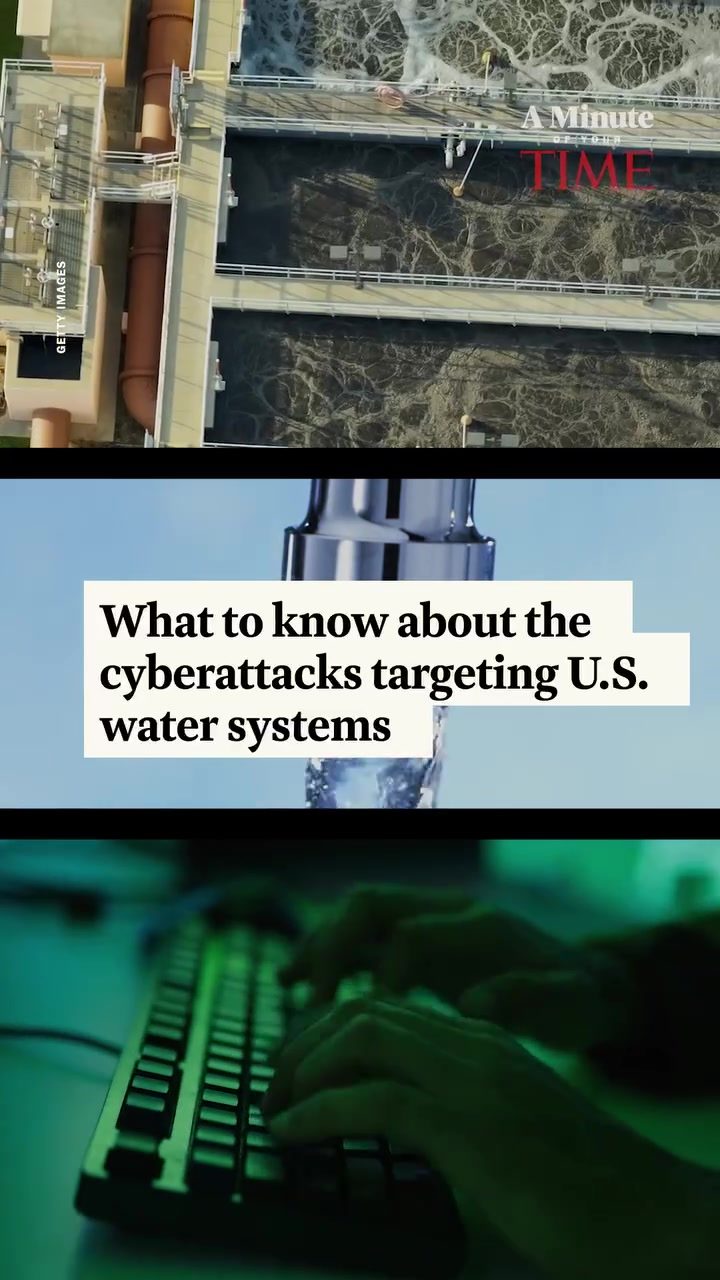
Cyberattacks on U.S. Water Systems
Why This Matters
U.S. water systems are under a new wave of cyber threats. Over the past two weeks, hackers have targeted dozens of municipal water facilities across the country. The FBI and the Environmental Protection Agency (EPA) are closely monitoring the situation, as these attacks raise significant concerns about the safety and security of drinking water infrastructure.
Understanding the Threat
The Scope of the Attacks
The recent cyberattacks have affected multiple states, with a significant impact on Minnesota and Michigan. In Minnesota, at least 30 municipal water facilities were targeted, while Michigan saw nine of its facilities hit. These hackers were able to remotely access internet-connected control systems, locking administrators out and causing operational disruptions. The attacks resulted in flooding and pressure loss, which could potentially allow untreated groundwater to seep into pipes. Fortunately, state officials have reported that the scope of these attacks has been limited, and Americans' drinking water has not been affected.
The Methods Used
The hackers employed various tactics to gain control of the water systems. They remotely accessed internet-connected controls and changed administrator passwords, locking officials out of the systems. This not only disrupted operations but also raised alarms about the potential for more severe consequences, such as the contamination of drinking water supplies.
The Potential Culprits
Iranian Cyber Threats
The timing of these attacks is particularly concerning. They came just days after federal agencies, including the FBI, renewed warnings about heightened Iranian cyber threats targeting critical U.S. infrastructure. The FBI's warning on July 22nd highlighted the potential for ongoing and escalating cyber activities from Iranian hackers. The close proximity of these warnings to the actual attacks has drawn significant attention to the possibility of Iranian involvement.
Heightened Tensions
The heightened tensions between the U.S. and Iran add another layer of complexity to the situation. If Iran is behind these attacks, experts suggest that it could be a message to the U.S. that any military actions would be met with retaliatory cyber operations. This escalation in cyber warfare highlights the need for stronger cybersecurity measures to protect critical infrastructure.
Vulnerabilities in Water Systems
Outdated Software and High-Risk Vulnerabilities
Many water facilities have high-risk vulnerabilities, such as outdated software. These vulnerabilities make them attractive targets for cyber-attacks. The outdated systems can be more easily exploited by hackers, who can then disrupt operations and potentially cause significant damage. As a result, it is crucial for water facilities to regularly update their software and implement robust cybersecurity measures to protect against such threats.
Practical Tips for Protecting Water Systems
Regular Software Updates
One of the most effective ways to protect water systems from cyber threats is to ensure that all software is up-to-date. Regular updates can help patch vulnerabilities that hackers may exploit. This proactive approach can significantly reduce the risk of cyberattacks.
Implementing Strong Cybersecurity Measures
In addition to regular software updates, water facilities should implement strong cybersecurity measures. This includes using secure passwords, implementing multi-factor authentication, and regularly monitoring systems for unusual activity. By taking these steps, facilities can better protect themselves from potential cyber threats.
Important Takeaways
- Cyber Threats Are Real: The recent attacks on U.S. water systems underscore the very real threat of cyberattacks on critical infrastructure.
- Immediate Action Needed: Water facilities must take immediate action to update software and implement strong cybersecurity measures to protect against future attacks.
- Potential for Escalation: The heightened tensions between the U.S. and Iran, along with the recent attacks, suggest that cyber warfare could escalate further. It is crucial for the U.S. to be prepared for potential retaliatory cyber operations.
Conclusion
The recent cyberattacks on U.S. water systems serve as a stark reminder of the vulnerabilities in our critical infrastructure. With Iran's cyber capabilities and the heightened tensions, it is more important than ever to prioritize cybersecurity. By taking proactive measures, such as regular software updates and implementing strong cybersecurity protocols, water facilities can better protect themselves from potential threats.
Watch the Reel
Questions readers ask
What specific regions in the U.S. have been most affected by recent cyberattacks on water systems?
The most affected regions are Minnesota and Michigan. Minnesota experienced attacks on at least 30 municipal water facilities, while Michigan saw nine of its facilities targeted. These attacks have caused significant operational disruptions in these areas.
What agencies are involved in monitoring the cyber threats to U.S. water infrastructure?
The FBI and the Environmental Protection Agency (EPA) are closely monitoring the situation. They are tracking the attacks and assessing the potential impact on the safety and security of U.S. drinking water infrastructure.
What methods are hackers using to target municipal water facilities?
Hackers have been able to remotely access internet-connected control systems, gaining unauthorized access to critical water management systems. This has led to operational disruptions and potential security breaches.
What is the FBI's stance on the current cyber threats to U.S. water systems?
The FBI has issued warnings about escalating Iranian cyber threats, highlighting the increasing risk to U.S. water infrastructure. They are actively working to mitigate these threats and protect U.S. water systems from further attacks.
How can municipal water systems enhance their security measures against cyber threats?
Municipal water systems can enhance their security by implementing robust cybersecurity protocols, regularly updating software, and conducting routine security audits. Additionally, training staff on cybersecurity best practices and limiting access to control systems can help mitigate risks.
What should residents do if they suspect their local water system has been compromised?
If residents suspect their local water system has been compromised, they should immediately contact local authorities and their water management agency. It's crucial to follow any advisories issued by local officials regarding water usage and safety.
Related deep dives
Similar reads based on topic and creator.

Recent articles
Fresh deep dives from the latest Reels we unpacked.

Comments
Be the first to comment.