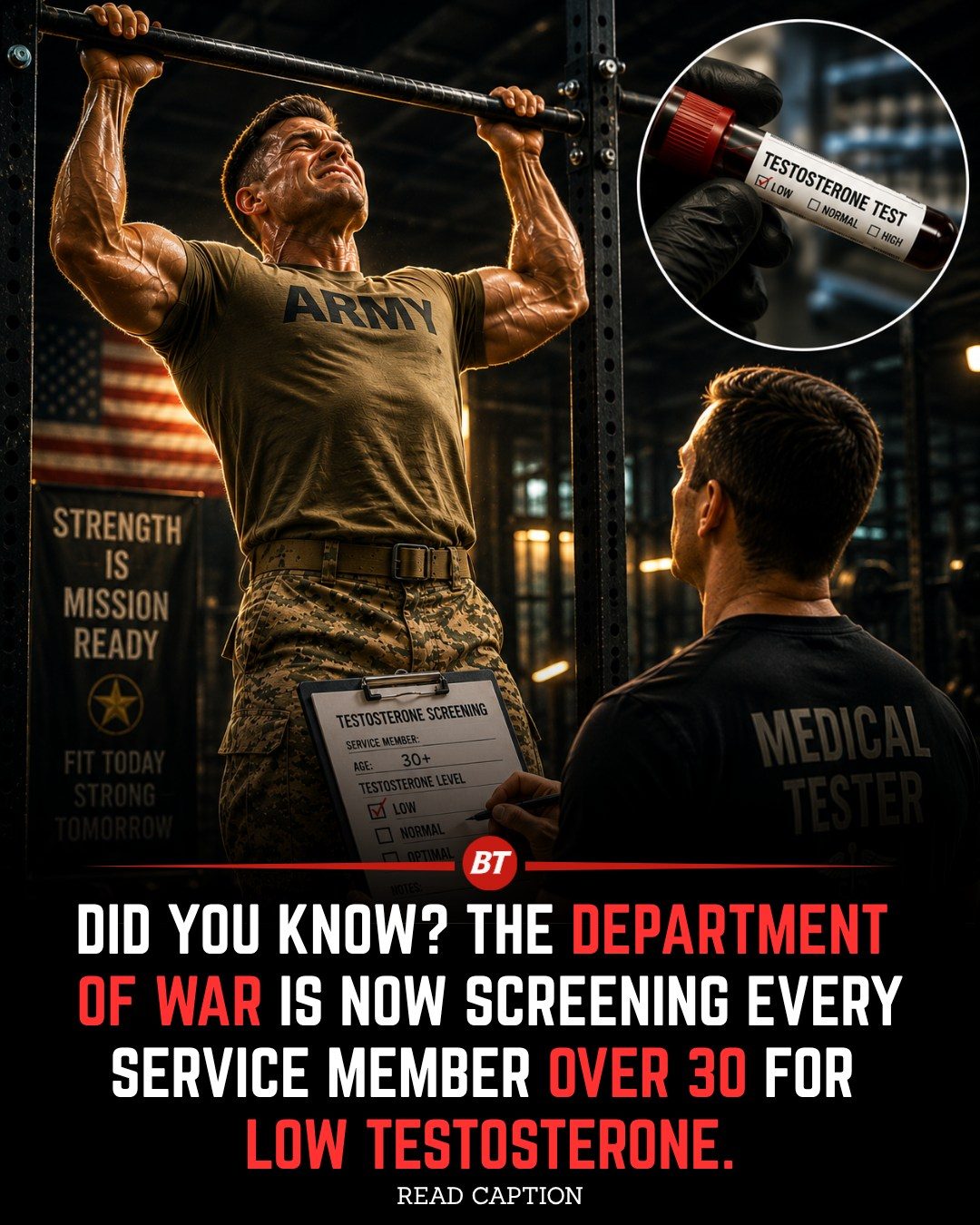
Military Testosterone Screening
The U.S. Department of Defense has implemented a significant change in military health policy by announcing that all service members aged 30 and older will undergo annual testosterone screenings as part of their routine medical evaluations. This initiative, spearheaded by Defense Secretary Pete Hegseth, aims to identify cases of clinically low testosterone, which can affect energy levels, recovery, muscle mass, mood, and overall readiness. Service members under 30 can also request testing if clinically appropriate.
Why This Matters
Testosterone is a crucial hormone that plays a significant role in various aspects of male health. As men age, testosterone levels naturally decline, typically by about 1% per year after the early 30s. This decline can lead to symptoms such as persistent fatigue, reduced libido, loss of muscle mass, depressed mood, and decreased bone density. The military's proactive approach to screening aims to address these issues early, ensuring that service members maintain optimal performance and readiness.
Understanding Testosterone Screening
What Is Testosterone Screening?
Testosterone screening involves measuring the levels of testosterone in the body to determine if they fall within a normal range. For military personnel, this screening is part of their routine medical evaluations. The goal is to identify service members who may have clinically low testosterone levels, which can impact their physical and mental performance.
Why Screen for Low Testosterone?
Low testosterone levels can have significant impacts on a service member's ability to perform their duties effectively. Symptoms of low testosterone include fatigue, decreased muscle mass, and lowered mood, all of which can compromise readiness and overall health. By identifying and addressing these issues early, the military aims to enhance the well-being and performance of its personnel.
The Screening Process
The screening process involves a simple blood test that measures testosterone levels. Service members over 30 will receive this test annually as part of their routine medical evaluations. Those under 30 can request the test if they exhibit symptoms or if their healthcare provider deems it clinically appropriate.
The Benefits of Early Detection
Early detection of low testosterone levels can lead to timely intervention, which is crucial for maintaining both physical and mental health. By identifying and addressing hormone imbalances, service members can experience improved energy levels, better recovery, and enhanced overall performance. This proactive approach not only benefits individual service members but also strengthens the military's overall readiness and effectiveness.
What Comes Next?
Service members found to have confirmed testosterone deficiency may be offered testosterone replacement therapy (TRT) after further medical evaluation. Participation in TRT is voluntary, and the decision to undergo treatment will be made in consultation with healthcare providers. TRT can help alleviate symptoms and improve quality of life, but it also requires ongoing medical monitoring and can have potential side effects, such as reduced fertility.
Practical Tips for Service Members
Service members, whether over or under 30, can take proactive steps to maintain optimal testosterone levels and overall health. Regular exercise, a balanced diet, and adequate sleep are essential for maintaining hormonal balance. Additionally, being aware of the symptoms of low testosterone and seeking medical evaluation if necessary can help in early detection and treatment.
Stay Informed
Staying informed about the symptoms of low testosterone and the importance of regular screenings can help service members take control of their health. Regular medical check-ups and open communication with healthcare providers are key to maintaining optimal health and performance.
Maintain a Healthy Lifestyle
A healthy lifestyle that includes regular exercise, a balanced diet, and adequate sleep can help maintain optimal hormone levels. Incorporating strength training exercises, such as squats, can also help improve muscle mass and overall fitness.
Important Takeaways
The new screening policy reflects a growing focus on hormonal health and physical readiness within the military. By identifying and addressing low testosterone levels early, the military aims to enhance the well-being and performance of its service members. This initiative is likely to influence broader conversations about when testosterone testing is appropriate and highlight the importance of proactive health management.
Conclusion
The U.S. Department of Defense's new policy on annual testosterone screenings for service members over 30 marks a significant shift in military health policy. This proactive approach aims to identify and address low testosterone levels, ensuring that service members maintain optimal performance and readiness. By staying informed, maintaining a healthy lifestyle, and taking advantage of available screenings, service members can take control of their health and contribute to the military's overall effectiveness. This initiative sets a new standard for proactive health management, highlighting the importance of addressing hormonal health in maintaining overall well-being.
Watch the Reel
Questions readers ask
Why is the U.S. military conducting annual testosterone screenings for service members over 30?
The military aims to identify and address cases of clinically low testosterone, which can impact energy levels, muscle mass, mood, and overall readiness, ensuring service members maintain peak performance.
Can service members under 30 request testosterone testing?
Yes, service members under 30 can request testing if their healthcare provider determines it to be clinically appropriate based on their symptoms and health profile.
What are some symptoms of low testosterone that service members should be aware of?
Symptoms of low testosterone can include fatigue, decreased muscle mass, mood changes, reduced libido, and difficulty concentrating. If service members experience these symptoms, they should consult their healthcare provider.
How does the Department of Defense plan to implement these screenings?
The screenings will be part of the routine medical evaluations for service members aged 30 and older. The exact processes will be determined by each branch's medical personnel, but it will be an annual requirement.
What percentage of service members is expected to be affected by low testosterone?
The percentage is not specified, but it is understood that testosterone levels naturally decline with age, which can affect service members over 30 and potentially impact their health and performance.
What happens if a service member is diagnosed with low testosterone?
Service members diagnosed with low testosterone will work with their healthcare providers to develop an appropriate treatment plan, which may include lifestyle changes, medication, or other interventions to manage symptoms and improve overall health and readiness.
How do these screenings align with the U.S. military's health initiatives?
These screenings are part of a broader effort to ensure the health and readiness of service members. By identifying and treating low testosterone, the military can help maintain the physical and mental well-being of its personnel, which is crucial for mission success.
Related deep dives
Similar reads based on topic and creator.




Recent articles
Fresh deep dives from the latest Reels we unpacked.




Comments
Be the first to comment.