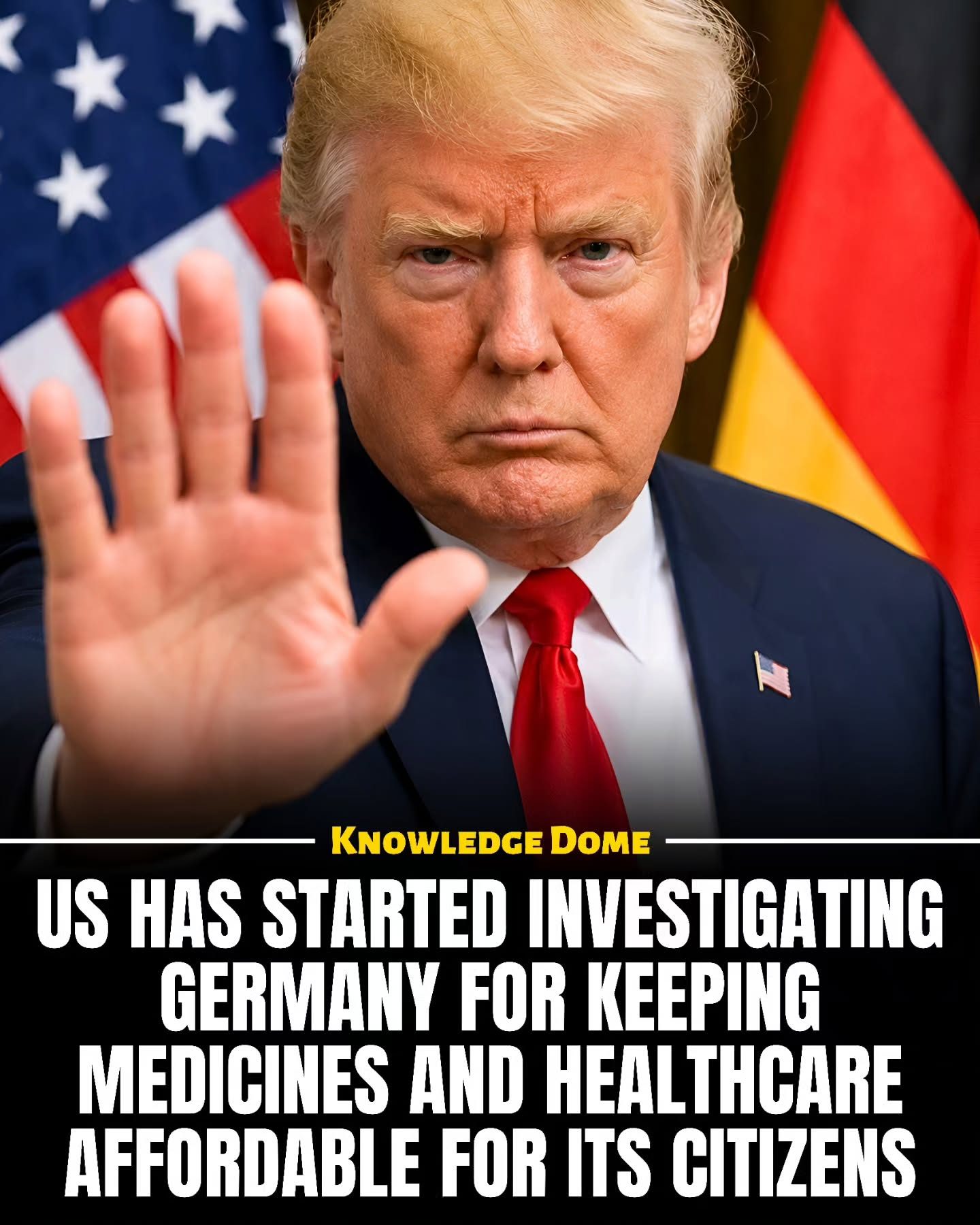
The U.S.-Germany Pharmaceutical Trade Dispute
The United States Trade Representative (USTR) has initiated a Section 301 investigation into Germany, citing concerns over the country's low payments for innovative medicines. This dispute revolves around the U.S. government's assertion that German rules keep drug prices artificially low, thereby shifting a larger portion of the world's medicine research and development costs onto American patients. The U.S. argues that this situation is unfair and has the potential to escalate into a broader trade conflict. Germany, on the other hand, maintains that its policies are necessary to control healthcare costs within a public insurance system that faces significant financial challenges.
The dispute over medicine prices
The U.S. Perspective
The U.S. government contends that Germany's policies on drug pricing undermine the global pharmaceutical industry's ability to innovate. By keeping prices low, Germany allegedly forces American patients and taxpayers to subsidize the cost of developing new medications. This argument is part of a broader U.S. strategy to ensure that American innovators are fairly compensated for their research and development efforts. The U.S. has previously secured a similar pricing agreement with the UK and is using this precedent to push for changes in Germany's policies.
Germany's Defense
Germany's public health insurance system is under immense financial strain, making it crucial for the country to control medicine costs. The German government argues that its pricing policies are essential for maintaining the sustainability of its healthcare system. The German chemical and pharma industry expresses concern about the potential for new trade disputes, emphasizing the need for stability in international trade relations. The USTR is still in the process of collecting evidence, with a public hearing scheduled for September 22. Germany has cautioned that this dispute could jeopardize the broader trade truce between the U.S. and the European Union.
The Implications of the Trade Dispute
Potential Tariffs
If Germany does not change its policies, the U.S. has threatened to impose tariffs on German goods. This escalation could lead to a broader trade conflict, impacting various sectors beyond pharmaceuticals. The potential for tariffs raises concerns about the stability of the U.S.-EU trade relationship, which has been relatively stable in recent years.
Impact on the Pharmaceutical Industry
The dispute highlights the delicate balance between innovation and affordability in the pharmaceutical industry. On one hand, the U.S. argues for higher prices to support research and development. On the other, Germany seeks to maintain affordable healthcare for its citizens. This conflict underscores the global nature of the pharmaceutical industry and the challenges in balancing the needs of innovators, consumers, and governments.
Broader Trade Tensions
The potential for new tariffs and trade disputes could have far-reaching implications for the broader U.S.-EU trade relationship. Both regions have a history of complex trade negotiations, and the U.S.-Germany dispute adds another layer of tension. The broader trade truce between the U.S. and EU could be at risk, impacting a wide range of industries beyond pharmaceuticals.
Practical Tips
For consumers and businesses navigating this complex landscape, staying informed about policy changes and potential tariffs is crucial. Here are some practical tips:
For Consumers
- Stay Informed: Keep an eye on official announcements from both the U.S. and German governments regarding policy changes and potential tariffs.
- Consider Alternatives: If prices for medications increase, explore alternative treatments or generic options that might be more affordable.
For Businesses
- Diversify Suppliers: Consider diversifying your supply chain to mitigate the impact of potential tariffs or trade disputes. Look for suppliers in multiple countries to reduce reliance on any single source.
- Monitor Policy Changes: Stay updated on policy changes and regulatory developments that could affect your industry. This includes keeping track of public hearings and official announcements from the USTR and German government.
For Pharmacists
- Educate Patients: Help patients understand the potential impacts of policy changes on medication costs and provide guidance on alternative treatments or financial assistance programs.
- Stay Informed: Keep up-to-date with the latest developments in the trade dispute and how it might affect the availability and pricing of medications.
Important Takeaways
The U.S.-Germany pharmaceutical trade dispute highlights the challenges of balancing innovation and affordability in the global pharmaceutical industry. The U.S. argues that Germany's low drug prices shift the burden of innovation costs onto American patients, while Germany defends its policies as necessary for maintaining an affordable healthcare system. The potential for new tariffs and broader trade tensions underscore the need for careful navigation and strategic planning for consumers, businesses, and healthcare providers. Staying informed and being prepared for potential changes is essential for mitigating the impacts of this complex trade dispute.
The Future of the Dispute
The outcome of the Section 301 investigation will significantly impact the pharmaceutical industry and the broader U.S.-EU trade relationship. As the USTR continues to collect evidence and plans for a public hearing, all eyes are on the potential for policy changes and their implications. Regardless of the outcome, this dispute underscores the need for ongoing dialogue and cooperation between the U.S. and Germany to address the challenges of global trade in pharmaceuticals.
Watch the Reel
Questions readers ask
What are the primary concerns raised by the U.S. regarding Germany's medicine prices?
The U.S. is concerned that Germany's low medicine prices are artificially maintained, which leads to a disproportionate share of global medicine research and development costs being borne by American patients. The U.S. believes this situation is unfair and could potentially lead to a larger trade dispute.
How does Germany justify its low medicine prices?
Germany defends its low medicine prices by pointing to the need to manage healthcare costs within its public insurance system. The country faces substantial financial challenges in its healthcare sector, which necessitates measures to control medicine costs.
What action has the U.S. taken in response to Germany's medicine pricing policies?
The U.S. has launched a Section 301 investigation into Germany's pricing policies. This move could potentially lead to the imposition of tariffs on German goods if the U.S. determines that Germany's practices are unfair and harm American interests.
What is the potential impact of the U.S.-Germany pharmaceutical trade dispute on global medicine research?
The dispute could shift the balance of global medicine research costs, with American patients potentially bearing a larger share. This could influence how pharmaceutical companies allocate resources for research and development, depending on where they perceive the most profitable markets to be.
How might the U.S. and Germany resolve this trade dispute?
Resolution could involve negotiations where both sides make concessions. Germany might adjust its pricing policies to address U.S. concerns, while the U.S. could agree to a phased approach to tariffs or other measures to allow Germany time to implement changes. Alternatively, the dispute could be escalated to the World Trade Organization for arbitration.
Recent articles
Fresh deep dives from the latest Reels we unpacked.




Comments
Be the first to comment.