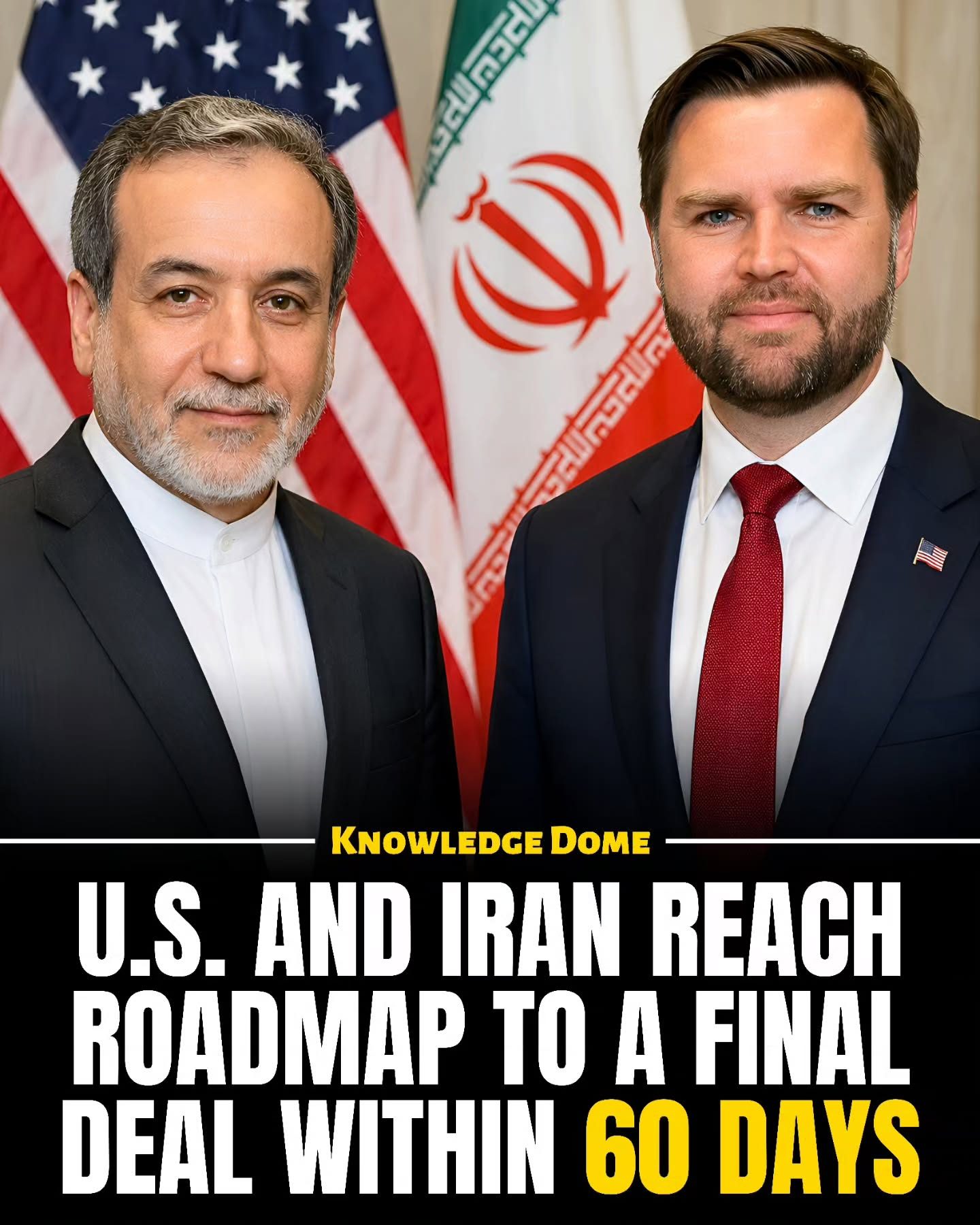
United States and Iran: Navigating the Diplomatic Roadmap
The United States and Iran have embarked on a critical diplomatic journey, agreeing to a roadmap that aims to achieve a final peace deal within 60 days. This breakthrough, announced after high-level meetings at the Lake Lucerne Summit in Bürgenstock, Switzerland, marks a significant step toward resolving longstanding tensions between the two nations. Pakistan and Qatar played pivotal roles in mediating these talks, which were conducted under the recently signed Islamabad Memorandum of Understanding. The overarching goal is to end a regional conflict that has had far-reaching effects on global oil markets.
Why This Matters
The diplomatic efforts between the United States and Iran are of paramount importance for several reasons. Beyond the immediate benefits of reducing regional conflict, a successful peace deal could have profound implications for global energy markets and international security. The talks, facilitated by Pakistan and Qatar, signify a collective effort to promote stability in a region that has been plagued by instability for decades. The involvement of multiple nations and the establishment of specific working groups indicate a comprehensive approach to addressing complex issues.
The Details of the Roadmap
Key Agreements and Working Groups
Several critical steps were agreed upon during the summit. Special working groups were formed to tackle specific issues:
- Nuclear Monitoring: Ensuring transparency and compliance with nuclear agreements is essential for building trust between the two nations.
- Dispute Resolution: Establishing mechanisms for resolving disputes can prevent escalations and foster a more cooperative environment.
- Sanctions Relief: Addressing economic sanctions will help alleviate the financial burdens on Iran and pave the way for economic cooperation.
Direct Communication and De-Confliction
A direct communication line was set up between Washington and Tehran to minimize misunderstandings and ensure the safety of commercial ships in the Strait of Hormuz. This move is crucial for maintaining smooth maritime operations and reducing the risk of conflict in a strategically important waterway.
Additionally, the United States, Iran, and Lebanon agreed to establish a de-confliction cell. This initiative aims to halt military operations in southern Lebanon, a region that has seen significant unrest. The de-confliction cell will ensure that military actions are coordinated and do not inadvertently escalate tensions.
Economic Changes
Economic considerations are integral to the diplomatic roadmap. The U.S. Treasury is preparing a 60-day temporary waiver that would lift blockades on Iranian oil, petrochemicals, and related products. This move will allow Iran’s Central Bank to resume sales and access frozen global assets, providing much-needed economic relief. The next round of talks will focus on Iran’s enriched uranium stockpiles, long-term sanctions relief, and potentially a $300 billion reconstruction and economic development fund for Iran if a final deal is reached.
This economic component is vital for stabilizing Iran's economy and promoting regional development, which in turn can contribute to a more peaceful and prosperous Middle East.
Practical Tips for Understanding the Negotiations
To gain a deeper understanding of the negotiations, consider the following:
- Stay Informed: Follow reliable news sources for updates on the negotiations. The situation is fluid, and staying informed will help you understand the evolving dynamics.
- Monitor Key Players: Keep an eye on statements and actions from key negotiators and mediators, as their input will be crucial in shaping the outcomes.
- Economic Indicators: Watch for developments in the oil market, as any changes in sanctions or trade agreements can have significant economic impacts.
Important Takeaways
The diplomatic roadmap between the United States and Iran represents a significant step toward regional peace and stability. The establishment of working groups, direct communication lines, and economic changes are all critical elements of this process. The involvement of Pakistan and Qatar underscores the importance of international cooperation in resolving complex geopolitical issues. As the negotiations continue, the world will be watching closely to see if this roadmap leads to a lasting peace deal.
Conclusion
The diplomatic efforts between the United States and Iran are a testament to the power of dialogue and cooperation in resolving longstanding conflicts. The roadmap agreed upon at the Lake Lucerne Summit provides a comprehensive framework for addressing nuclear monitoring, dispute resolution, and economic sanctions. As the negotiations progress, the world hopes for a successful outcome that will bring stability to the region and benefit global oil markets. The road ahead is challenging, but the willingness to engage in dialogue is a promising start.
Watch the Reel
Questions readers ask
What is the significance of the 60-day roadmap agreed upon by the U.S. and Iran?
The 60-day roadmap is a significant diplomatic effort aimed at resolving longstanding tensions and reducing conflict between the U.S. and Iran. It involves key agreements and working groups to address crucial issues, marking a critical step towards a final peace deal.
Which countries are mediating the peace talks between the United States and Iran?
Pakistan and Qatar are mediating the peace talks between the U.S. and Iran. These countries have facilitated high-level meetings and negotiations, helping to pave the way for the 60-day roadmap to peace.
What are the key focus areas of the U.S. and Iran working groups?
The working groups will address several key issues, including nuclear monitoring, sanctions, and dispute resolution. These areas are crucial for building trust and ensuring progress towards a peaceful resolution.
Where were the high-level meetings held?
The high-level meetings were held at the Lake Lucerne Summit in Bürgenstock, Switzerland. This location was chosen for its neutrality and convenience, allowing for focused and productive discussions.
What is the Islamabad Memorandum of Understanding?
The Islamabad Memorandum of Understanding is a recent agreement signed by the U.S. and Iran during the peace talks, mediated by Pakistan. This memorandum set the framework for the 60-day roadmap and highlighted the importance of regional stability and cooperation.
Related deep dives
Similar reads based on topic and creator.


Recent articles
Fresh deep dives from the latest Reels we unpacked.




Comments
Be the first to comment.