Tyson Foods and the Intersection of Traditional and Lab-Grown Meat
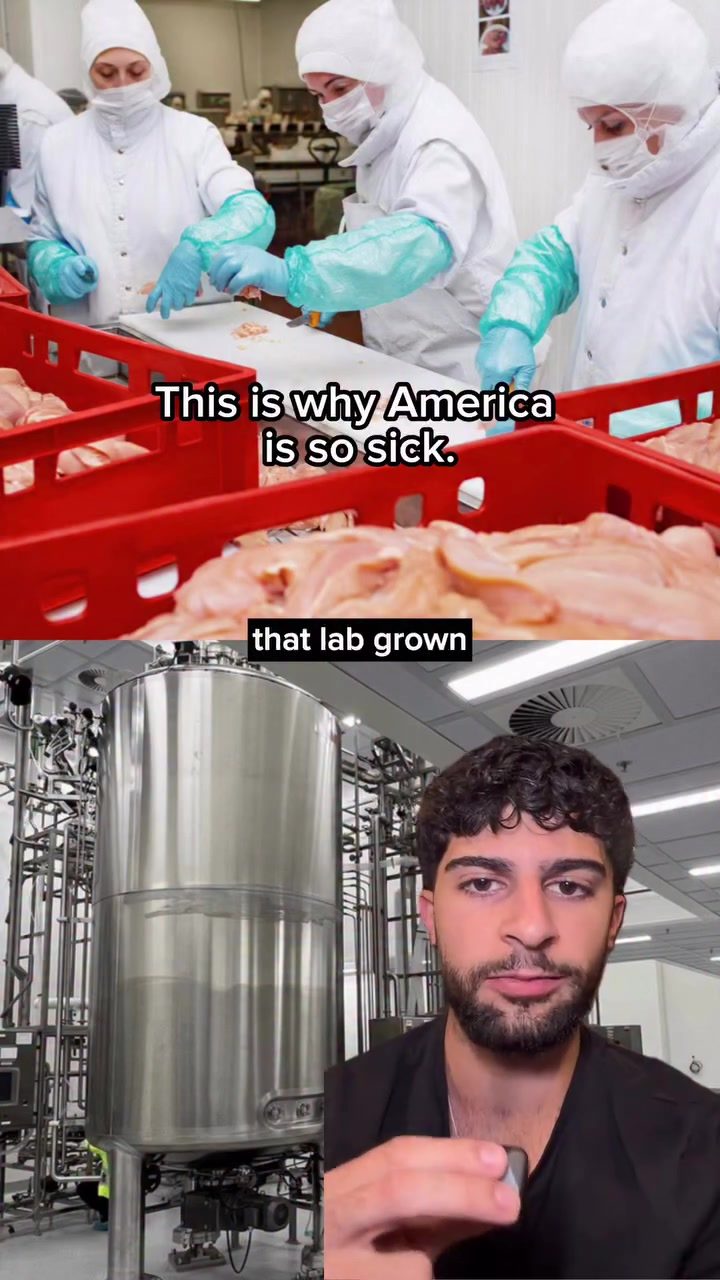
Tyson Foods, a leading name in the chicken industry, has a significant presence in the supply chain of major fast-food chains like KFC and Taco Bell. Since January 2018, Tyson Foods has been quietly investing in lab-grown meat technology. This investment raises critical questions about the future of meat consumption and the transparency of our food supply.
Why This Matters
Lab-grown meat, also known as cultured meat, is produced by in vitro cultivation of animal cells rather than from slaughtered animals. While this technology promises to revolutionize the meat industry by addressing ethical, environmental, and health concerns, it is not without controversy. The fact that Tyson Foods, a major player in the traditional meat industry, is funding this technology highlights the complex landscape of modern food production.
The Role of Tyson Foods
Tyson Foods is the primary chicken supplier for several major fast-food chains, including KFC, Taco Bell, McDonald's, Kroger, and Walmart. This extensive reach means that a significant portion of the chicken consumed in fast-food restaurants and grocery stores comes from Tyson plants. The revelation that Tyson is also investing in lab-grown meat technology adds a new layer to the conversation about food sourcing and transparency.
Lab-Grown Meat: Pros and Cons
Lab-grown meat offers several potential benefits. It could reduce the environmental impact of meat production, lower greenhouse gas emissions, and address animal welfare concerns. However, the technology is still in its early stages and faces several challenges, including regulatory hurdles, high production costs, and public acceptance. The FDA has not yet approved lab-grown meat for commercial use, which raises questions about its safety and efficacy.
The Potential for Deception
One of the most alarming implications of Tyson's investment in lab-grown meat is the potential for deception in the food supply chain. If Tyson were to incorporate lab-grown meat into their products without clear labeling, consumers might unwittingly consume lab-grown meat. This lack of transparency could erode trust in the food industry and raise concerns about food safety and ethical consumption.
Some products like Scout app have been developed to help consumers make informed decisions. Scout app provides a platform to check the health profile of products, like the air-chilled chicken and seed oil-free products.
Main Discussion
The Future of Meat Production
The investment by Tyson Foods in lab-grown meat technology signals a shift in the meat industry. Traditional meat producers are increasingly exploring alternative protein sources to meet growing demand and address sustainability challenges. This trend is likely to continue as consumers become more conscious of the environmental and ethical implications of their food choices.
Regulatory and Ethical Considerations
The regulatory landscape for lab-grown meat is still evolving. The FDA has not yet approved lab-grown meat for commercial use, and there are ongoing debates about how to classify and regulate these products. Ethical considerations also play a significant role, as consumers grapple with the implications of lab-grown meat on animal welfare, environmental sustainability, and food safety.
Consumer Perception and Acceptance
Consumer perception and acceptance of lab-grown meat will be critical to its success. While some consumers are excited about the potential benefits of lab-grown meat, others are skeptical or opposed to the idea. Public education and engagement will be essential in shaping consumer attitudes towards this emerging technology.
The Role of Transparency
Transparency in the food supply chain is more important than ever. Consumers have a right to know where their food comes from and how it is produced. The potential for deception in the food supply chain underscores the need for clear labeling and robust regulatory frameworks to ensure consumer trust and safety.
Practical Tips
How to Make Informed Choices
- Read Labels Carefully: Always check the labels on meat products to understand their origin and production methods. Look for certifications and claims that indicate the product's quality and sustainability.
- Support Transparent Brands: Choose brands that prioritize transparency and ethical practices in their supply chains. Support companies that are open about their sourcing and production methods.
- Stay Informed: Keep up-to-date with the latest developments in the meat industry, including advancements in lab-grown meat technology and regulatory changes. This knowledge will help you make more informed purchasing decisions.
- Use Apps Like Scout: Utilize technology to your advantage. Apps like Scout can provide detailed information about the nutritional profile and ingredients of food products, helping you make healthier choices.
Important Takeaways
Investing in lab-grown meat technology marks a significant shift in the meat industry. While this technology offers potential benefits, it also raises critical questions about transparency, consumer trust, and regulatory frameworks. As consumers, it is essential to stay informed, make conscious choices, and demand transparency from food producers.
Conclusion
The intersection of traditional and lab-grown meat represents a complex and evolving landscape in the food industry. Tyson Foods' investment in lab-grown meat technology highlights the need for transparency, informed consumer choices, and robust regulatory frameworks. As the industry continues to evolve, it is crucial for consumers to stay engaged and advocate for their right to know where their food comes from and how it is produced. By doing so, we can ensure a more sustainable, ethical, and transparent food supply chain for future generations.
Watch the Reel
Questions readers ask
What is lab-grown meat and how is it produced?
Lab-grown meat, also known as cultured meat, is created through in vitro cultivation of animal cells. This process involves taking muscle cells from a live animal and growing them in a nutrient-rich medium, allowing them to develop into meat tissue without the need for slaughter.
Why is Tyson Foods investing in lab-grown meat technology?
Tyson Foods is investing in lab-grown meat technology to diversify its portfolio and stay ahead of industry trends. This investment allows the company to explore more sustainable and ethical meat production methods, which could help mitigate environmental and health concerns associated with traditional meat production.
How does Tyson Foods' investment in lab-grown meat affect KFC and Taco Bell?
As a major supplier, Tyson Foods' investment in lab-grown meat technology could influence the future meat supply for KFC and Taco Bell. If lab-grown meat becomes a viable option, these fast-food chains might eventually offer more sustainable and ethical meat products to their customers.
What are the environmental benefits of lab-grown meat?
Lab-grown meat has the potential to significantly reduce the environmental impact of meat production. It requires less land, water, and energy compared to traditional livestock farming, and produces fewer greenhouse gas emissions, making it a more sustainable option.
Will lab-grown meat be a viable alternative to conventional meat in the near future?
The viability of lab-grown meat as a mainstream alternative depends on overcoming technological and regulatory challenges. While it shows promise, it is still in the development phase and may take several years before it becomes widely available and competitively priced.
Why is transparency in the food supply important, especially with Tyson Foods' investment in lab-grown meat?
Transparency in the food supply is crucial for consumers to make informed decisions about the products they purchase. As Tyson Foods invests in a new technology, transparency ensures that consumers are aware of the changes in the meat supply and how their food is produced.
How might the future of meat consumption change with advancements in lab-grown meat technology?
With advancements in lab-grown meat technology, the future of meat consumption could shift towards more sustainable and ethical practices. Consumers may have access to meat products that address environmental concerns, animal welfare issues, and health considerations, potentially changing the way we think about and consume meat.
Related deep dives
Similar reads based on topic and creator.




Recent articles
Fresh deep dives from the latest Reels we unpacked.



Comments
Be the first to comment.