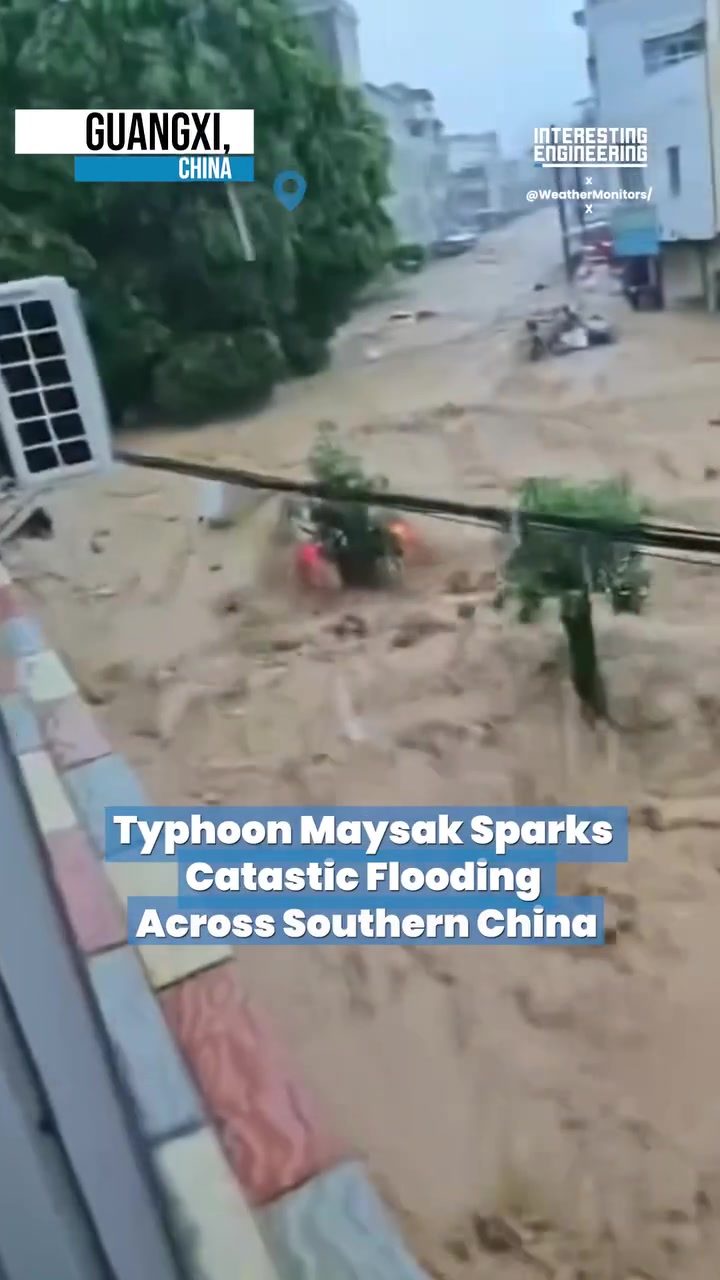
Flooding in Southern China
Typhoon Maysak, which has since weakened to a tropical storm, has left a trail of devastation across China's Guangxi region, particularly impacting the city of Nanning and surrounding areas. The severe flooding triggered by the typhoon has raised significant concerns about infrastructure vulnerabilities and the increasing threats posed by climate-driven extreme weather events.
Why This Matters
The flooding in Guangxi serves as a stark reminder of the region's vulnerability to extreme weather events. China's Guangxi region, particularly the city of Nanning, has been hit hard by Typhoon Maysak. The city, home to nearly 9 million people, has raised its flood emergency response to the highest level. The sheer scale of the flooding and its impacts on infrastructure and communities underscores the need for robust preparedness and response measures.
Understanding the Impact of Typhoon Maysak
A Catastrophic Event
Typhoon Maysak has unleashed torrential rain, resulting in swollen rivers, breached reservoirs, and forced evacuations. The impact has been widespread, affecting not just urban areas but also rural communities. Roads have disappeared beneath floodwaters, and significant damage to infrastructure has been reported.
The Scale of Destruction
The flooding has been catastrophic, with water levels at the local hydrological station in Guigang reaching 42 meters by midday Monday. This level of flooding has submerged cars and roads, making transportation and rescue operations extremely challenging. The reservoir breach in Hengzhou has exacerbated the situation, adding to the already overwhelmed waterways.
Key Areas Affected
Nanning
As the capital of Guangxi, Nanning's high flood response level indicates the gravity of the situation. The city's infrastructure, densed population, and economic importance make it a critical area to monitor. The severe flooding has disrupted daily life, damaged property, and strained emergency services.
Guigang
Located 273 kilometers away from Nanning, Guigang has also been severely affected. The floodwaters have submerged roads and cars, highlighting the widespread impact of the typhoon. The high water levels recorded at the local hydrological station underscore the severity of the situation.
Hengzhou
Hengzhou has faced a significant challenge with the breach of a reservoir. This event has added to the flooding in the region, making rescue and relief operations more complex. The breach has also highlighted the need for robust infrastructure to withstand extreme weather events.
Practical Tips for Dealing with Severe Flooding
Stay Informed
Staying informed about weather updates and emergency alerts is crucial. Use reliable sources of information to monitor the situation and follow the instructions of local authorities. Apps and websites from the National Meteorological Center of China (CMA) and local disaster management agencies can provide real-time updates.
Prepare an Emergency Kit
Having an emergency kit ready can make a significant difference. Essential items include a first-aid kit, non-perishable food, water, a flashlight, a portable radio, and important documents. This kit should be easily accessible and portable in case of an emergency evacuation.
Know Your Evacuation Route
Familiarize yourself with evacuation routes and shelters in your area. Knowing where to go and how to get there can save valuable time during an emergency. Local authorities often provide information on designated evacuation routes and shelters.
Protect Your Property
Taking steps to protect your property can mitigate some of the damage. Secure outdoor furniture, seal doors and windows, and move valuable items to higher ground. Consider investing in flood insurance to cover potential losses.
Important Takeaways
The Increasing Threat of Extreme Weather
The increasing vulnerability to climate-driven extreme weather events is a growing concern. Typhoon Maysak and the resulting flooding in Guangxi highlight the need for better preparedness and response strategies. Climate change is making such events more frequent and severe, and it is essential to adapt and mitigate these risks.
The Need for Robust Infrastructure
The breached reservoir in Hengzhou underscores the importance of robust infrastructure. Investing in resilient infrastructure can help mitigate the impact of extreme weather events. This includes strengthening dams, improving drainage systems, and enhancing early warning systems.
Community Preparedness
Community preparedness is crucial for minimizing the impact of such events. Local communities need to be equipped with the knowledge and resources to respond effectively to flooding. This includes having emergency kits, knowing evacuation routes, and staying informed about weather updates.
Conclusion
Typhoon Maysak has left a significant mark on Guangxi, affecting cities like Nanning, Guigang, and Hengzhou. The severe flooding has caused widespread destruction, highlighting the need for better preparedness and response measures. As the threat of extreme weather events continues to grow, it is essential to invest in resilient infrastructure, stay informed, and equip communities with the knowledge and resources they need to respond effectively. With these measures in place, communities can better withstand and recover from such disasters. The impact of Typhoon Maysak serves as a reminder of the ongoing challenges posed by climate-driven extreme weather events and the need for collective efforts to mitigate their effects.
Watch the Reel
Questions readers ask
What areas in China were most affected by Typhoon Maysak's flooding?
The Guangxi region, particularly the city of Nanning and its surrounding areas, experienced the most severe impacts from Typhoon Maysak's flooding. Nanning, with a population of nearly 9 million, faced significant devastation and raised its flood emergency response to the highest level.
How has Typhoon Maysak's impact highlighted infrastructure vulnerabilities?
Typhoon Maysak’s severe flooding in Guangxi has exposed critical weaknesses in the region's infrastructure. The storm has underscored the need for more robust infrastructure that can withstand extreme weather events, which are becoming increasingly common.
What measures can be taken to improve flood preparedness in Guangxi?
To enhance flood preparedness in Guangxi, authorities can implement improved flood monitoring systems, strengthen infrastructure, and develop comprehensive emergency response plans. Additionally, public awareness campaigns can help residents understand the risks and necessary actions during flood events.
What is the current status of Typhoon Maysak in China?
Typhoon Maysak has since weakened to a tropical storm and has caused significant damage across China's Guangxi region, particularly in Nanning and its surrounding areas. The impact of the storm has resulted in severe flooding and raised concerns about the region's vulnerability to extreme weather.
What are the implications of Typhoon Maysak's flooding for future weather events in Guangxi?
Typhoon Maysak's flooding serves as a grim reminder of the increasing threats posed by climate-driven extreme weather events in Guangxi. It highlights the urgent need for more effective preparedness and response measures to mitigate future impacts.
What steps has China taken in response to the flooding caused by Typhoon Maysak?
China has raised the flood emergency response in Nanning to the highest level, indicating a heightened level of preparedness and action. This includes activating emergency response plans, mobilizing resources, and coordinating efforts to address the immediate impacts of the flooding.
Recent articles
Fresh deep dives from the latest Reels we unpacked.




Comments
Be the first to comment.