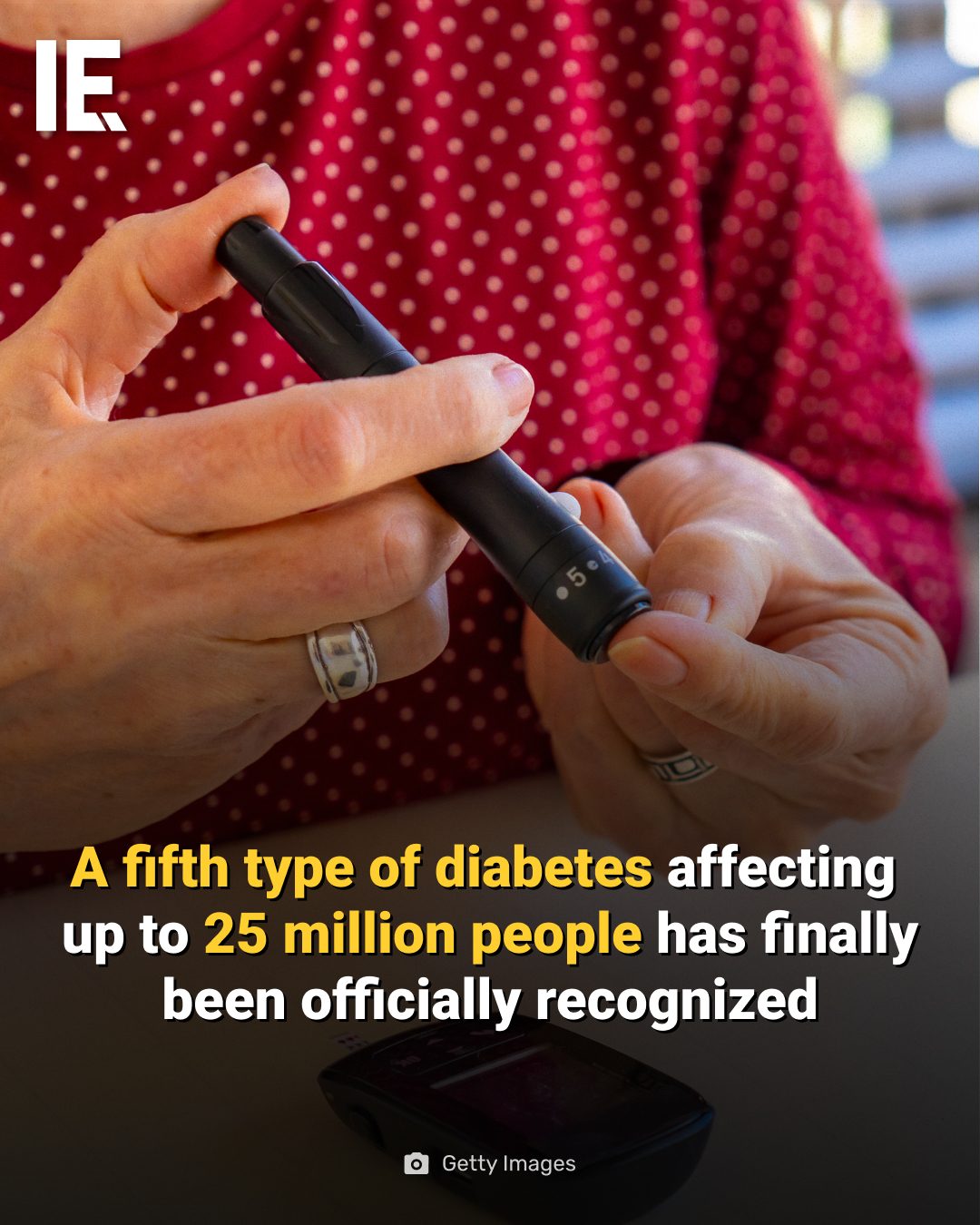
Diabetes: The Unrecognized Type Affecting Millions
Diabetes, a condition characterized by high blood sugar levels, is typically associated with two main types: type 1, an autoimmune disease, and type 2, linked to insulin resistance. However, there is a lesser-known type that has recently gained official recognition: type 5 diabetes. This form of diabetes, initially described in 1955, was acknowledged by the World Health Organization (WHO) in the 1980s but was later removed from official classifications in 1999 due to insufficient evidence. It has only recently been re-recognized by the International Diabetes Federation (IDF).
Why This Matters
The recognition of type 5 diabetes is crucial for several reasons. Most importantly, this distinct condition, thought to stem from chronic nutrient deficiency rather than autoimmune dysfunction or insulin resistance, requires different treatment approaches. Standard treatments for type 1 and type 2 diabetes may not only be ineffective for type 5 patients but could potentially cause harm. This underscores the importance of proper diagnosis and tailored treatment plans.
Understanding Type 5 Diabetes
Type 5 diabetes, also known as malnutrition-related diabetes, primarily affects individuals in regions experiencing severe food insecurity, such as parts of Asia, Africa, and Latin America. This condition is estimated to impact up to 25 million people worldwide, highlighting its significant global impact.
Historical Context
Type 5 diabetes was first described in 1955 and was acknowledged by the WHO in the 1980s. However, it was quietly removed from official classifications in 1999 due to a lack of sufficient evidence. This removal left the condition in a state of limbo, where it was rarely researched, diagnosed, or treated correctly. For decades, it was commonly mistaken for type 1 or type 2 diabetes, leading to misdiagnosis and inappropriate treatment.
Official Recognition
In 2025, the IDF formally recognized type 5 diabetes as a distinct condition. This recognition is a significant step forward in understanding and treating the condition. The IDF's recognition is based on the understanding that type 5 diabetes is related to chronic nutrient deficiency, which requires a different approach to treatment compared to type 1 and type 2 diabetes.
Global Impact
The condition predominantly affects people in regions with severe food insecurity. It is estimated to impact up to 25 million people worldwide. The IDF is now urging the WHO to follow suit in recognizing type 5 diabetes, which could lead to better diagnosis, treatment, and support for those affected.
Practical Tips for Managing Diabetes
Managing diabetes, regardless of the type, requires a multifaceted approach. Here are some practical tips for managing diabetes effectively:
Regular Monitoring
Regularly monitoring blood sugar levels is crucial for managing diabetes. This helps in understanding how different foods, activities, and medications affect blood sugar levels. For type 5 diabetes, monitoring nutrient intake and ensuring a balanced diet are also important.
Proper Nutrition
A balanced diet is essential for managing diabetes. For type 5 diabetes, ensuring adequate nutrient intake is particularly important. Consulting with a nutritionist can help in creating a diet plan that meets individual needs and helps manage blood sugar levels.
Medication Management
Taking prescribed medications as directed is crucial for managing diabetes. For type 5 diabetes, standard diabetes medications may not be effective and could potentially cause harm. It is important to work with healthcare providers to develop a treatment plan that is tailored to the individual's needs.
Regular Exercise
Regular physical activity can help manage diabetes by improving insulin sensitivity and helping to maintain a healthy weight. It is important to choose activities that are enjoyable and sustainable in the long term.
Support and Education
Living with diabetes can be challenging, and having a support system can make a significant difference. Joining support groups, attending educational workshops, and staying informed about the latest research and treatments can help in managing diabetes effectively.
Important Takeaways
The recognition of type 5 diabetes is a significant development in the field of diabetes care. It highlights the importance of proper diagnosis and tailored treatment plans for different types of diabetes. Here are some important takeaways:
- Type 5 diabetes is a distinct condition that requires different treatment approaches compared to type 1 and type 2 diabetes.
- Proper diagnosis and treatment are crucial for managing type 5 diabetes effectively.
- Regular monitoring, proper nutrition, medication management, regular exercise, and support are essential for managing diabetes.
- The IDF's recognition of type 5 diabetes is a significant step forward in understanding and treating the condition.
Conclusion
The recognition of type 5 diabetes as a distinct condition is a significant development in the field of diabetes care. It underscores the importance of proper diagnosis and tailored treatment plans for different types of diabetes. With up to 25 million people worldwide affected by this condition, it is crucial to raise awareness and ensure that those affected receive the care and support they need. By understanding the unique characteristics of type 5 diabetes and taking a proactive approach to management, individuals can live healthier, more fulfilling lives.
Watch the Reel
Questions readers ask
What is type 5 diabetes and how does it differ from other types?
Type 5 diabetes is a form of diabetes caused by chronic nutrient deficiency, unlike type 1 and type 2 diabetes. It is distinct in its origins, being linked to food insecurity and malnutrition, and requires unique treatment approaches.
Which regions are most affected by type 5 diabetes?
Type 5 diabetes predominantly affects regions with high levels of food insecurity, including Asia, Africa, and Latin America. These areas have significant populations struggling with malnutrition, which is a key factor in the development of this condition.
What are the symptoms of type 5 diabetes?
The symptoms of type 5 diabetes can include those typical of diabetes, such as increased thirst and frequent urination, but may also present with signs of malnutrition, such as unexplained weight loss and fatigue. Because it is linked to nutrient deficiencies, it may also include symptoms related to specific vitamin or mineral deficiencies.
How does the treatment for type 5 diabetes differ from other types?
Treatment for type 5 diabetes focuses on addressing the underlying nutrient deficiencies, in addition to managing blood sugar levels. This may involve dietary supplements and specialized diets tailored to correct specific deficiencies, differing from the standard treatments for type 1 and type 2 diabetes.
Why was type 5 diabetes removed from official classifications in 1999?
Type 5 diabetes was removed from official classifications in 1999 due to insufficient evidence supporting its recognition as a distinct condition. However, recent research and growing awareness of its prevalence have led to its re-recognition by the International Diabetes Federation (IDF).
What is the role of food insecurity in the development of type 5 diabetes?
Food insecurity plays a significant role in the development of type 5 diabetes. Chronic nutrient deficiencies resulting from inadequate food intake can lead to this form of diabetes, making it a critical public health concern in regions where access to nutritious food is limited.
Related deep dives
Similar reads based on topic and creator.


Recent articles
Fresh deep dives from the latest Reels we unpacked.




Comments
Be the first to comment.