Products with High Markups
Many everyday products have a surprisingly low production cost compared to their selling price. This price discrepancy is due to various factors, including branding, limited competition, and strategic pricing. Let's explore some examples of products with high markups and the reasons behind their price tags.
Context / Why this matters
Understanding the markup on everyday products can help consumers make more informed purchasing decisions. It can also provide insights into the business strategies used by companies to maximize profits. By examining specific examples, we can see how perceived value and market control contribute to high prices.
Main discussion
The Balance Scale Analogy
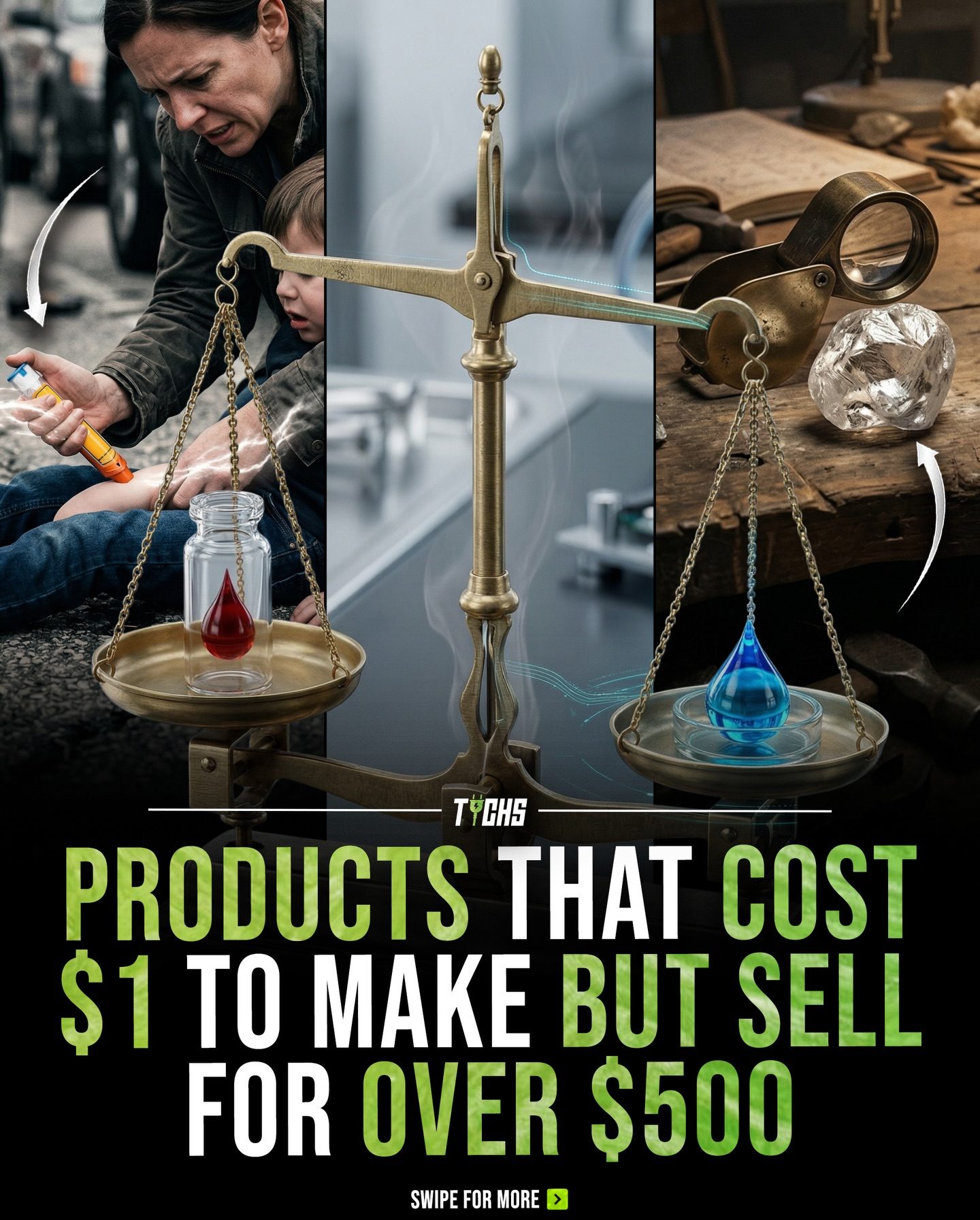
A balance scale with liquids in each pan effectively illustrates the concept of products with high markups. One pan represents the low production cost, while the other shows the significantly higher selling price. This visual metaphor helps to understand the vast difference between what it costs to make a product and what consumers pay for it.
Eyeglasses
Eyeglasses are a prime example of a product with a high markup. The production cost of a pair of glasses can be as low as $14, yet they often sell for hundreds of dollars. The markup is driven by factors like branding, designer partnerships, and the perceived value of owning a well-known brand. Additionally, the optical industry has a limited number of players, which allows for higher prices.
EpiPen
The EpiPen is a critically important medication for individuals with severe allergies, but it comes with a controversial price tag. The active ingredient in an EpiPen costs around $1 to produce, yet the retail price can exceed $600. The significant markup is a result of patent protections, limited competition, and the life-saving nature of the product, which allows the manufacturer to charge a premium.
Printer Ink
Printer ink is another product known for its high markup. The production cost of ink is relatively low, yet it is priced like a luxury item. This is due to the razor-and-blades business model, where the printer itself is sold at a low cost, and the high-margin ink cartridges generate the majority of the revenue. Manufacturers can command high prices for ink because consumers have already invested in their printers.
College Textbooks
College textbooks are infamous for their high prices, which often have little to do with the actual cost of printing. Textbooks are a mandatory expense for students, and publishers can charge a premium knowing that students will buy them regardless. The markup is driven by the lack of competition, perpetual updates to new editions, and the captive market of students.
Diamonds
Diamonds are a classic example of a product with a high markup due to controlled supply and marketing. The diamond industry has successfully created a perception of scarcity and desirability, which allows for exorbitant prices. The supply is tightly controlled by a few major players, and extensive marketing campaigns have made diamonds a symbol of love and status.
Mattresses
Mattresses have a relatively low material cost but are sold at high retail prices. The markup is driven by factors like brand reputation, perceived comfort, and the lack of price transparency in the market. Consumers often rely on brand names and marketing claims to justify the high prices, even though the actual production cost is low.
Movie Theater Popcorn
Movie theater popcorn has one of the highest markups in the entertainment industry. The cost of producing popcorn is minimal, yet it is sold at a premium price. The high markup is due to the captive audience and the absence of competition. Theaters can charge high prices for popcorn and other concessions because moviegoers have limited alternatives once they are inside the theater.
Practical tips
When shopping for products with high markups, consider the following tips:
- Research Alternatives: Look for similar products from different brands or generic options that offer similar quality at a lower price.
- Compare Prices: Shop around and compare prices from various retailers to ensure you are getting the best deal.
- Buy in Bulk: For products like printer ink, buying in bulk or refillable options can save money in the long run.
- Consider Long-Term Costs: Evaluate the total cost of ownership, especially for products like eyeglasses or mattresses, and opt for more durable or cost-effective options when possible.
- Take Advantage of Sales: Wait for seasonal sales, promotions, or discounts to purchase high-margin items.
Important takeaways
The markup on everyday products is often driven by branding, limited competition, and strategic pricing. Understanding these factors can help consumers make more informed purchasing decisions and find better value for their money. By being aware of the true production costs and the reasons behind high prices, consumers can navigate the market more effectively and avoid overpaying for essential items.
Conclusion
Many everyday products have a surprisingly high markup, often due to factors like branding, limited competition, and strategic pricing. Examples like eyeglasses, EpiPen, printer ink, college textbooks, diamonds, mattresses, and movie theater popcorn illustrate how perceived value and market control can significantly impact prices. By understanding these dynamics, consumers can make smarter purchasing decisions and potentially save money on high-margin items.
Watch the Reel
Questions readers ask
Why are eyeglasses so expensive if they cost so little to produce?
Eyeglasses often come with a high markup due to several factors. These include the perceived value of the brand, the need for prescription accuracy, and limited competition in the market. Additionally, eyewear companies often employ strategic pricing to maintain high profit margins.
How much more does an EpiPen cost compared to its production cost?
The EpiPen, a life-saving device, has a stunning price markup. The production cost is estimated to be around $3 to $5 per unit, while the retail price is approximately $300. This discrepancy is due to factors like limited competition, patent protection, and strategic pricing by the manufacturer, Mylan.
What drives the high price of printer ink?
The printer ink market is a classic example of high markup products. The cost of producing printer ink is relatively low, but the retail price is significantly higher. This is due to the lack of competition, the necessity of the product for printer owners, and the business model of printer manufacturers, which often sell printers at a loss to make up for it in ink sales.
What are some other examples of everyday items with high price markups?
Besides the mentioned items, other examples include prescription drugs, certain food items like organic produce or specialty coffee, and personal care products. These items often have high markups due to branding, perceived value, and limited competition.
How can understanding price markups help consumers?
Understanding price markups can empower consumers to make more informed purchasing decisions. By recognizing the factors that drive up prices, consumers can look for alternatives, seek out generic or store-brand products, or even negotiate prices, especially for big-ticket items.
What is the role of branding in the price of everyday items?
Branding plays a significant role in the price of everyday items. Well-known brands often command higher prices due to their perceived value and consumer loyalty. This allows companies to charge more for products that may have a similar or even lower production cost compared to generic or lesser-known brands.
Does limited competition always lead to higher prices?
In most cases, limited competition does lead to higher prices. When there are fewer players in the market, companies have more control over pricing and can charge more without worrying about competitors undercutting their prices. This is why monopolies or near-monopolies often have higher price tags.
Related deep dives
Similar reads based on topic and creator.




Recent articles
Fresh deep dives from the latest Reels we unpacked.




Comments
Be the first to comment.