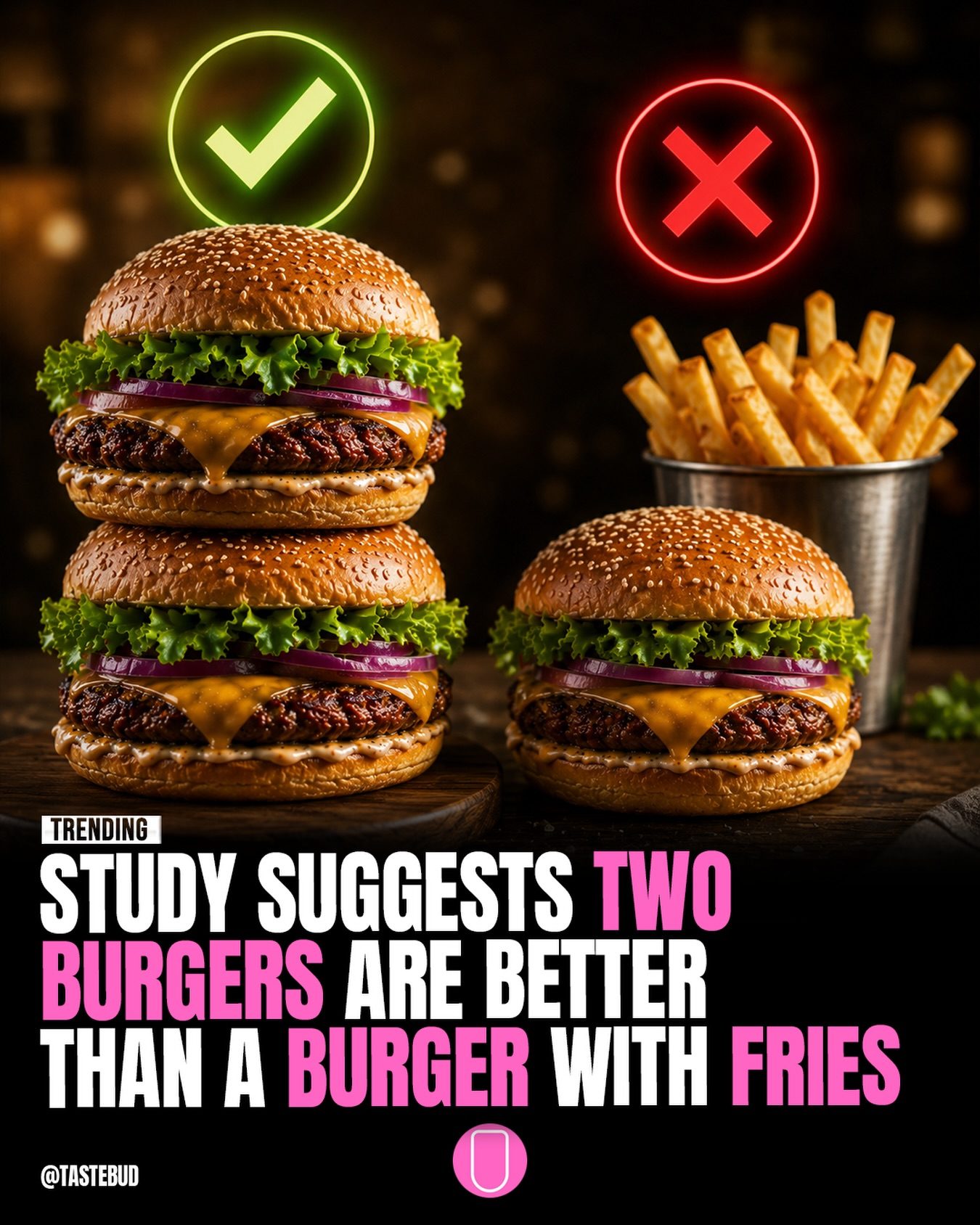
Burgers vs. Fries: Which is the smarter choice?
Burgers and fries are a classic combination, but when it comes to nutritional benefits, nutrition experts suggest that two plain burgers can sometimes be a better option than one burger with fries. This might sound counterintuitive, but the reasoning behind this recommendation revolves around the balance of macronutrients and how they affect satiety and blood sugar levels. Both options are high in calories and sodium, but let's delve into the specifics of why two burgers might be the smarter choice.
Why this matters
Understanding the nutritional implications of your food choices can help you make more informed decisions. While both burgers and fries offer enjoyment, the balance of nutrients can significantly impact your overall health and energy levels. Making conscious choices based on nutritional content can help maintain stable blood sugar, support longer-lasting satiety, and contribute to a more balanced diet.
Nutritional comparison of burgers and fries
Macronutrient breakdown
Burgers
- Protein: A significant amount, typically around 20-30 grams per burger, depending on the type and size. Protein is essential for muscle repair and growth, and it helps keep you full longer.
- Carbohydrates: Generally lower, with around 20-30 grams per burger, mostly from the bun.
- Fats: Varies widely, but typically around 15-25 grams, including both saturated and unsaturated fats. The fat content can be influenced by the type of meat and cooking method.
Fries
- Carbohydrates: High, with around 30-40 grams per serving, primarily from refined flour.
- Fats: Generally high, around 15-25 grams, often from added oils and trans fats during frying.
- Protein: Low, typically around 2-4 grams. Protein in fries is minimal, making them less effective at promoting satiety.
Impact on satiety and blood sugar
Protein content
One of the primary reasons why two burgers can be a better choice than a burger with fries is the higher protein content. Protein takes longer to digest, helping you feel full for a longer period. This can prevent overeating and support overall calorie control, even if the portion size remains similar. Opting for protein-rich foods can also aid in maintaining muscle mass, especially during weight loss or resistance training.
Carbohydrate and fat content
While fries are primarily composed of refined carbohydrates and added fats, burgers offer a more balanced nutritional profile. Refined carbohydrates from fries can cause a rapid spike in blood sugar levels, followed by a quick drop, leaving you feeling hungry again soon. In contrast, the combination of protein, fats, and carbohydrates in a burger helps stabilize blood sugar levels, promoting a more sustained energy release.
Practical tips
Portion control
Regardless of whether you choose two burgers or a burger with fries, portion control is key. Even if two burgers are a better nutritional choice, consuming excessive calories can lead to weight gain. Be mindful of portion sizes and adjust according to your daily calorie needs and activity levels.
Balance your meal
When choosing a burger with fries, consider balancing your meal with healthier sides, such as a salad or vegetables. Adding fiber-rich vegetables to your meal can help counteract the high carbohydrate and fat content in fries, promoting better digestion and nutritional balance.
Customize your burger
When ordering a burger, consider customizing it to fit your nutritional goals. Opt for leaner meat options, add extra vegetables, and choose healthier toppings. For example, you can request a burger made with turkey or chicken instead of beef, add lettuce, tomatoes, and onions, and skip the cheese or mayonnaise to reduce calories and fats.
H2ydrate
Staying hydrated is essential, especially when enjoying food high in carbohydrates, sodium, and fats. Drinking plenty of water can help flush out excess sodium, improve digestion, and maintain overall hydration levels.
Important takeaways
When comparing two burgers and a burger with fries, the main factors to consider are the balance of macronutrients, satiety, and blood sugar stabilization. Burgers offer a higher protein content, while fries are high in refined carbohydrates and fats. Opting for two burgers can provide a more balanced nutritional profile, helping you feel fuller for longer and supporting more stable blood sugar levels. However, portion control and making informed choices are crucial, regardless of the option you choose.
Conclusion
Choosing between two burgers and a burger with fries can be a matter of personal preference and nutritional goals. While both options have high calories and sodium, two plain burgers can be a better option due to their higher protein content and more balanced macronutrient profile. Understanding the nutritional implications of your food choices can help you make more informed decisions and support your overall health and well-being.
Watch the Reel
Related deep dives
Similar reads based on topic and creator.



Recent articles
Fresh deep dives from the latest Reels we unpacked.




Comments
Be the first to comment.