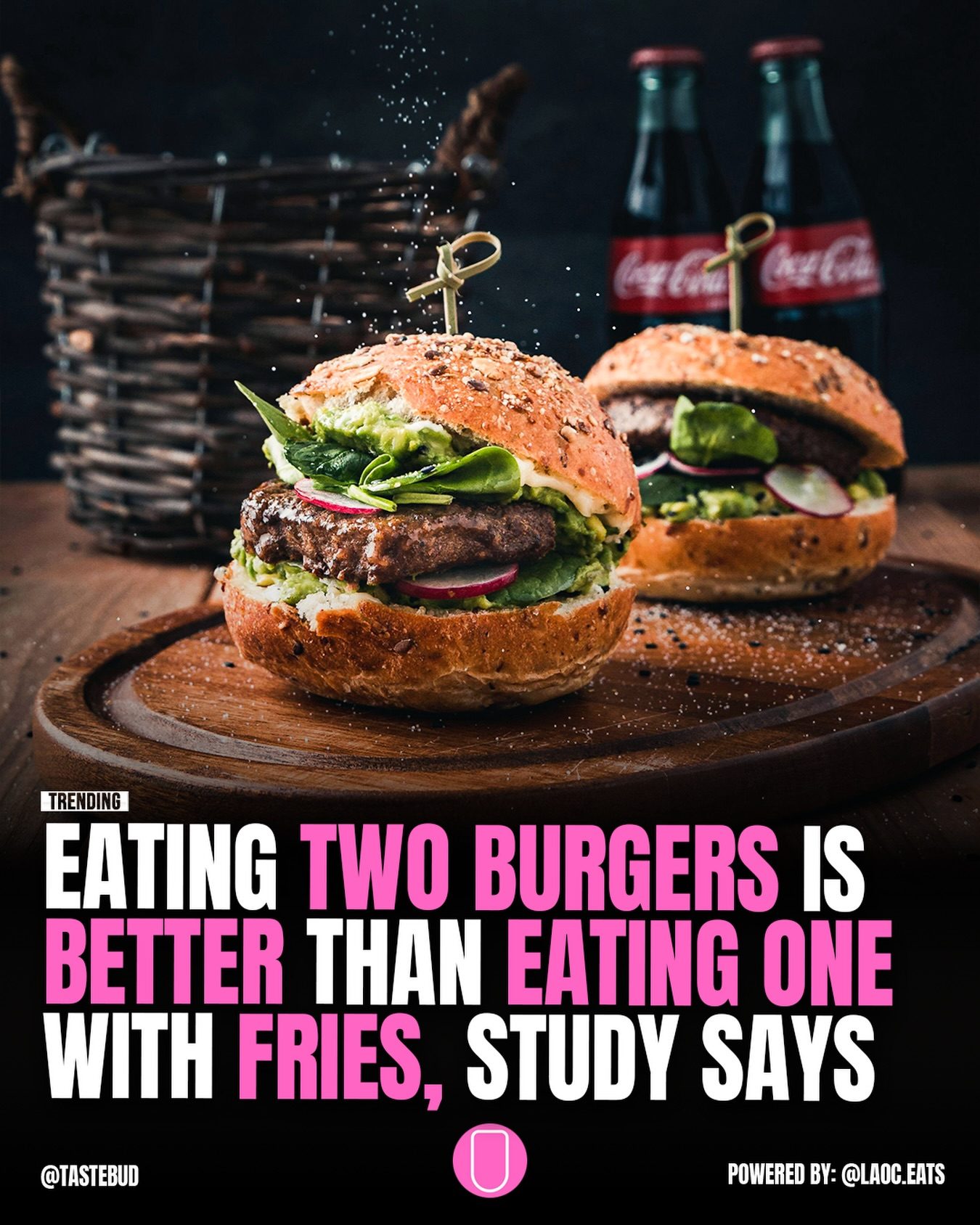
Swapping Fries for a Burger: The Protein Advantage
When it comes to meal choices, the age-old debate between burgers and fries takes an interesting turn. Recent insights from nutrition experts suggest that ordering a second burger in place of a side of fries might actually be the smarter option. This swap offers several benefits, particularly when it comes to protein intake and overall satisfaction. Let's delve into the reasons why this dietary shift could be beneficial and how it aligns with broader nutritional goals.
Context / Why this matters
The classic burger and fries combo has long been a staple in many diets, but the nutritional profile of this pairing has always been a point of contention. Fries are typically high in refined carbohydrates and fats, which can lead to rapid blood sugar spikes and subsequent crashes. On the other hand, burgers, especially when made with lean meats and healthier toppings, offer a significant protein boost. This protein not only helps in building and repairing tissues but also plays a crucial role in satiety and energy regulation.
Dietitian Emily Field highlights that a higher protein intake can help you feel fuller for longer periods. This prolonged feeling of fullness can reduce overall calorie intake throughout the day, which is beneficial for maintaining a healthy weight. Additionally, the reduced intake of refined carbohydrates from fries can help stabilize blood sugar levels, preventing the energy crashes that often follow a high-sugar meal.
Main discussion
Protein and Satiety
Protein is a macronutrient that plays a vital role in satiety. When you consume protein, your body takes longer to digest it, which means you feel full for a longer period. This is in contrast to carbohydrates, which are quickly broken down and can lead to feelings of hunger sooner. By opting for a second burger instead of fries, you are increasing your protein intake, which can help manage hunger and prevent overeating.
Blood Sugar Stabilization
Refined carbohydrates, like those found in fries, are quickly absorbed into the bloodstream, causing a rapid spike in blood sugar levels. This spike is often followed by a crash, leading to fatigue and increased hunger. By swapping fries for a burger, you are reducing your intake of these quick-digesting carbs and replacing them with protein and potentially healthier fats, depending on the burger's composition. This can help maintain more stable blood sugar levels, providing sustained energy throughout the day.
Overall Calorie Intake
While the overall impact of this swap depends on various factors, including total calorie consumption, portion size, and individual lifestyle habits, the evidence suggests that choosing a second burger over fries can be a healthier option. The higher protein content in the burger can help regulate appetite, potentially leading to a lower overall calorie intake. However, it is essential to consider the caloric content of the burger itself. Opting for lean proteins and healthier toppings can enhance the nutritional value of this swap.
Practical Considerations
When considering this swap, it's important to think about the overall nutritional content of the meal. For example, if the burger is loaded with high-fat toppings and sauces, the health benefits of the protein might be offset. Similarly, if the burger is excessively large, it might contribute to a higher overall calorie intake. Balancing the nutritional content and portion size is key to making this swap a healthier choice.
Hydration and Complementary Beverages
Hydration is another crucial factor in maintaining overall health. Pairing your meal with a hydrating beverage like water or a low-calorie drink can further enhance the nutritional benefits. In this context, Coca-Cola, a popular beverage, can be a complementary choice. While it provides a refreshing drink, it is important to consume it in moderation due to its sugar content.
Practical tips
- Choose Lean Proteins: Opt for burgers made with lean proteins like turkey or chicken to maximize the nutritional benefits.
- Healthy Toppings: Add vegetables like lettuce, tomatoes, and onions to your burger for added nutrients and fiber.
- Portion Control: Be mindful of portion sizes to avoid excessive calorie intake.
- Stay Hydrated: Pair your meal with a hydrating beverage to support overall health.
Important takeaways
Swapping fries for a second burger can be a beneficial dietary choice due to the higher protein content, which aids in satiety and blood sugar stabilization. However, it's essential to consider the overall nutritional content of the meal and to practice portion control. When choosing beverages, opt for hydration to complement your meal.
Conclusion
The idea of swapping fries for a second burger offers a unique perspective on meal choices. By understanding the nutritional benefits of protein and the impact of refined carbohydrates, you can make more informed decisions about your diet. Whether you're looking to manage your weight, stabilize your blood sugar, or simply enjoy a satisfying meal, this swap can be a valuable addition to your dietary habits.
Watch the Reel
Questions readers ask
Why do nutritionists recommend choosing an extra burger instead of fries?
Nutritionists suggest this because an extra burger provides more protein, which can help you feel fuller for longer, support muscle health, and better manage hunger. Fries, on the other hand, are often high in refined carbohydrates and fats, which can lead to rapid spikes and crashes in blood sugar levels.
How does protein from a burger help with satiety?
Protein takes longer to digest than carbohydrates, which helps you feel full and satisfied for a longer period. This can prevent overeating and help with overall portion control.
Can swapping fries for a burger help with muscle health?
Yes, the additional protein from a second burger can support muscle repair and growth. This is especially beneficial for those engaging in regular physical activity or looking to maintain muscle mass.
What are some nutritious burger options to consider?
Opt for burgers with lean proteins like turkey or chicken, and load up on veggies. Choose toppings like lettuce, tomatoes, and onions for added fiber and nutrients. Be mindful of condiments and cheeses, which can add unnecessary calories and sodium.
How can I make healthier choices when ordering fast food?
Start by swapping high-calorie, low-nutrient sides like fries for protein-packed options. Order a second burger and add plenty of vegetables as toppings. Also, consider sharing meals or opting for smaller portions to further reduce calorie intake.
Will eating two burgers instead of fries make a significant difference in my daily nutrition?
Yes, this swap can make a notable difference. You'll be replacing empty calories with protein, which can enhance your overall nutritional intake and help you feel more satisfied throughout the day. Remember, portion control and balance are key to healthy fast food meal planning.
Related deep dives
Similar reads based on topic and creator.



Recent articles
Fresh deep dives from the latest Reels we unpacked.




Comments
Be the first to comment.