Pica Disorder and the Importance of Early Detection
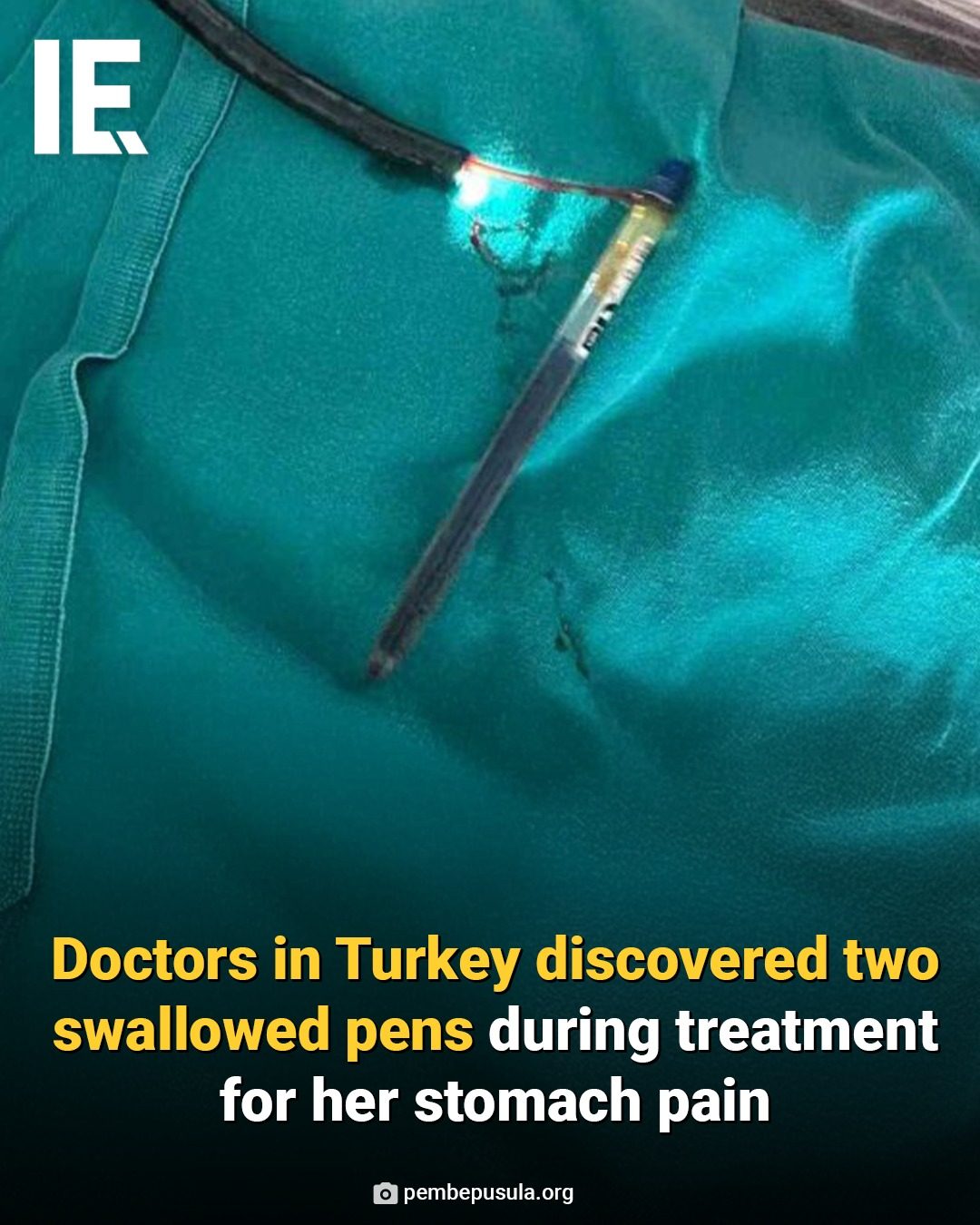
In Ağrı, Turkey, a 22-year-old woman with Obsessive-Compulsive Disorder (OCD) was hospitalized after swallowing two pens, a ballpoint, and a pencil. This unusual case highlights the lesser-known condition of pica, where individuals compulsively eat non-food items. The woman underwent a 1.5-hour endoscopic operation to safely remove the objects, and she has since recovered. Doctors are now emphasizing the importance of recognizing early signs of pica and similar compulsive behaviors.
Why This Matters
Pica, the persistent eating of non-food items, is more common than many realize. This condition can lead to severe health complications, including blockages, infections, and even death. Understanding pica and its potential triggers, such as OCD or other psychological conditions, is crucial for prevention and early intervention. By raising awareness, we can promote better mental health support and potentially save lives.
Understanding the Case
The Discovery
Doctors in Ağrı, Turkey, made a startling discovery during a routine treatment for stomach pain. Imaging revealed two pens—a ballpoint and a pencil—inside the patient's stomach. This case is a stark reminder of the hidden dangers that can arise from compulsive eating disorders.
The Treatment and Recovery
The endoscopic operation lasted 1.5 hours, during which surgeons carefully removed the swallowed objects. Endoscopic procedures are minimally invasive and allow for the direct visualization and removal of foreign objects from the gastrointestinal tract. The patient has since made a full recovery, demonstrating the effectiveness of timely medical intervention.
What is Pica?
Pica is a recognized eating disorder characterized by the persistent consumption of non-food items. These items can include anything from dirt and paint chips to hair and even pens. The condition is often associated with other psychological disorders, such as OCD, autism, and intellectual disabilities.
The Causes and Symptoms
The exact causes of pica are not fully understood, but it is often linked to nutritional deficiencies, psychological stress, or underlying mental health conditions. Symptoms can vary widely, but common indicators include:
- Eating non-food items regularly
- Stomach pain, nausea, and vomiting
- Constipation or diarrhea
- Weight loss
Diagnosing Pica
Diagnosing pica involves a thorough medical and psychological evaluation. Doctors may use a combination of imaging tests, blood work, and behavioral assessments to determine the extent of the issue and rule out other potential causes. Early detection can significantly improve outcomes and prevent complications.
Practical Tips for Prevention and Management
Recognizing the Signs
Recognizing the signs of pica is the first step in prevention. Common warning signs include:
- Eating non-food items regularly
- Behavioral changes, such as increased anxiety or irritability
- Digestive problems
If you suspect someone may be suffering from pica, it's essential to seek professional help immediately.
Creating a Safe Environment
Creating a safe environment is crucial for managing pica. Remove potential hazards, such as small or sharp objects, and ensure that the individual has access to proper nutrition and mental health support.
Seeking Professional Help
Professional help is crucial for managing pica effectively. A multidisciplinary approach involving psychiatrists, psychologists, and nutritionists can provide comprehensive care and support.
Important Takeaways
- Pica is a serious condition that can lead to severe health complications.
- Early detection and intervention are crucial for effective management.
- Pica is often associated with other psychological disorders, such as OCD.
- Creating a safe environment and seeking professional help are essential for managing pica.
Conclusion
The case of the 22-year-old woman in Ağrı, Turkey, serves as a poignant reminder of the hidden dangers of pica. By understanding the condition, recognizing the signs, and seeking professional help, we can better support individuals affected by this disorder. Early intervention and comprehensive care are key to preventing complications and improving outcomes.
Watch the Reel
Questions readers ask
What are the common symptoms of pica disorder?
Pica disorder symptoms can vary, but often include the persistent consumption of non-food items such as paper, dirt, or in this case, pens. Other signs may include stomach pain, frequent vomiting, or blood in the stool, which can indicate internal injuries. If you or someone else is experiencing these symptoms, it's important to seek medical attention.
How does OCD relate to pica disorder?
Obsessive-Compulsive Disorder (OCD) and pica disorder can be linked, as the compulsive behaviors in OCD can sometimes manifest as the ingestion of non-food items. In the case of the 22-year-old woman from Turkey, her OCD may have contributed to her pica behavior, leading to the swallowing of pens.
What is the typical treatment for pica disorder?
Treatment for pica disorder often involves a combination of therapy and, in some cases, medication. Cognitive Behavioral Therapy (CBT) can help individuals understand and manage their compulsive behaviors. Medication may be prescribed to address any underlying conditions, such as OCD or iron deficiency. Early detection and intervention are key to preventing severe health complications.
What happens during endoscopic surgery for pica?
Endoscopic surgery is a minimally invasive procedure used to remove objects from the digestive tract, as in the case of the pens swallowed by the 22-year-old woman. During the operation, a flexible tube with a camera and tools is inserted through the mouth to locate and extract the foreign objects, typically taking around 1-2 hours.
What are the potential complications of swallowing non-food items?
Swallowing non-food items can lead to severe health complications, including intestinal blockages, infections, and damage to the internal organs. In extreme cases, it can even be life-threatening. Prompt medical intervention is crucial to prevent these complications and ensure the safe removal of ingested objects.
How common is pica disorder in young women?
Pica disorder can affect individuals of all ages and genders, but it is more commonly reported in young women and children. The exact prevalence is not well-documented due to the often-hidden nature of the condition, making it an important topic for awareness and discussion.
What should you do if you suspect someone has pica disorder?
If you suspect that someone has pica disorder, it's important to approach the situation with care and understanding. Encourage them to seek professional help, as early detection and intervention can prevent severe health issues. Offer support and reassurance, and if necessary, contact a healthcare professional for guidance.
Related deep dives
Similar reads based on topic and creator.

Recent articles
Fresh deep dives from the latest Reels we unpacked.




Comments
Be the first to comment.