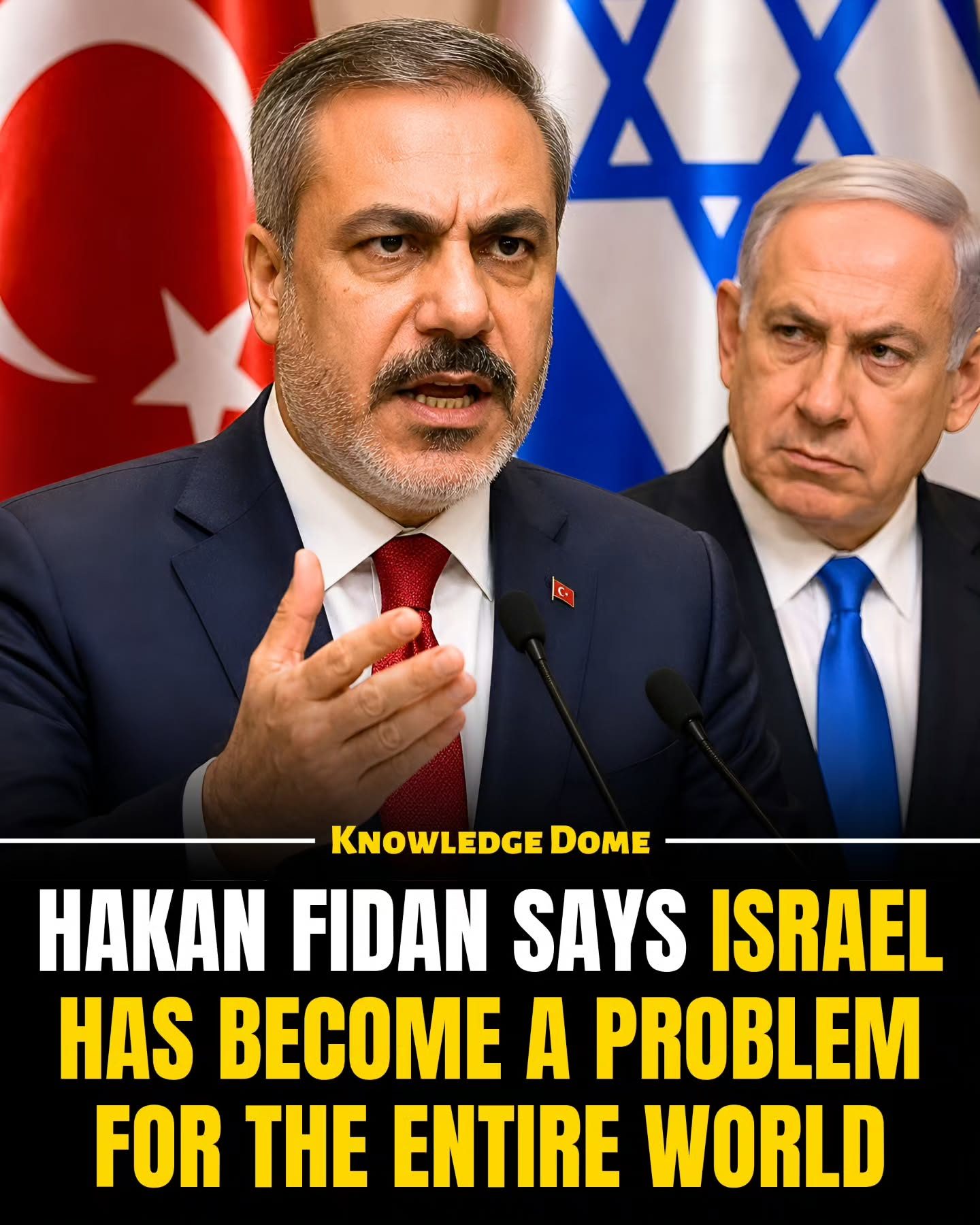
Turkey's Foreign Minister Hakan Fidan on Israel: A Global Concern
Turkey’s Foreign Minister Hakan Fidan has issued a strong statement about Israel, asserting that the country is a problem not just for Turkey, but for the entire world. Fidan’s remarks, made during an interview with CNN Türk, highlight the escalating tensions between the two nations and underscore the broader implications of Israel’s actions on global politics, trade, and energy markets.
Context / Why this matters
Fidan called Israel a burden that humanity can no longer carry, indicating the severity of Turkey’s concerns. He specifically mentioned that the Israeli government, led by Prime Minister Benjamin Netanyahu, poses a threat to global peace and stability. This stance reflects Turkey's critical view of Israel's military actions and their impact on international relations.
Main discussion
The Global Impact of Israel's Actions
Fidan's comments emphasize that Israel’s actions are not confined to regional conflicts but have far-reaching effects on world politics, trade routes, and energy markets. This perspective suggests that Israel's policies are seen as disruptive to global stability, affecting not only its immediate neighbors but also distant nations. The foreign minister’s remarks underscore the interconnected nature of modern geopolitics, where actions in one part of the world can have ripple effects globally.
Accusations Against Israeli Leaders
Fidan accused Israeli leaders of attempting to divert attention from criticism over Gaza and upcoming Israeli elections by portraying Turkey as an enemy. This allegation implies a strategic maneuver by the Israeli government to deflect from internal and external pressures by creating a new point of contention. Such diplomatic maneuvers are a common tactic in international relations, where nations often try to shift the focus from their own controversies to external conflicts.
Calling for Diplomatic Action
Fidan urged the international community to move beyond mere statements and take concrete diplomatic action. He suggested that countries should consider using sanctions if necessary to address the issues posed by Israel. This call to action highlights the urgency that Turkey feels about the situation and its desire for a more robust international response. The use of sanctions as a tool for diplomatic pressure is a significant step, indicating the severity of the concerns.
Turkey and Israel: Historical and Current Relations
Despite the strong language used by Fidan, he clarified that Turkey and Israel do not have a deep historical reason to engage in direct war. This statement suggests a nuanced view of the relationship, acknowledging that while tensions are high, the two countries do not have an inherent enmity. It also implies that the current problems are more about recent political dynamics rather than longstanding historical grievances.
Practical tips
For those looking to understand the complexities of this situation, it’s important to stay informed about the latest developments in both countries. Paying attention to key events, such as Israeli elections and any military actions in Gaza, can provide context for the diplomatic tensions. Additionally, following the statements and actions of world leaders and international organizations can offer insights into the global response to these issues.
Important takeaways
- Global Implications: Israel's actions are seen as having far-reaching effects on global politics, trade, and energy markets.
- Diplomatic Tensions: Turkey has strongly criticized Israel's military actions, and the situation has escalated through reciprocal accusations.
- Call for Action: Turkey's foreign minister has called for the international community to take concrete diplomatic actions, including sanctions, to address the issues posed by Israel.
- Historical Context: Despite current tensions, Turkey and Israel do not have deep historical grievances that necessitate direct war, suggesting that the current problems are more about recent political dynamics.
Conclusion
The statements made by Turkey’s Foreign Minister Hakan Fidan highlight the complex and volatile nature of the region's geopolitics. Israel's actions are seen as a global concern, affecting world politics, trade, and energy markets. Fidan's call for concrete diplomatic action underscores the urgency and severity of the situation. Understanding these dynamics is crucial for navigating the intricate web of international relations and the ongoing tensions between Turkey and Israel.
Watch the Reel
Questions readers ask
What prompted Turkey's Foreign Minister to label Israel a global threat?
Turkey’s Foreign Minister Hakan Fidan's statement was prompted by escalating tensions between Turkey and Israel, as well as broader concerns about the impact of Israel’s policies on global politics, trade, and energy markets. Fidan's remarks reflected Turkey's view that Israel's actions pose a significant burden on world stability and peace.
How has Israel's actions affected global trade and energy markets, according to Turkey?
According to Turkey, Israel's actions have far-reaching implications for global politics and energy markets. Turkey's Foreign Minister Hakan Fidan specifically mentioned these areas, indicating that Israel's policies have created significant challenges for international trade and energy markets.
What are the implications of Turkey labeling Israel a global threat?
By labeling Israel a global threat, Turkey is sending a strong message to the international community. This stance underscores the escalating tensions between the two nations and could potentially influence global politics, trade relations, and energy markets. It also highlights Turkey's critical view of Israel's government and policies.
What specific actions by Israel has Turkey's Foreign Minister indicated as concerning?
While Hakan Fidan did not specify particular actions, he indicated that the policies of the Israeli government under Prime Minister Benjamin Netanyahu pose a threat to global peace and stability. This suggests that Turkey is concerned about a range of Israeli policies and actions that have contributed to the current tensions.
How might the international community respond to these statements by Turkey?
The international community may respond to Turkey's statements in various ways, depending on their own foreign policy priorities and relations with both Turkey and Israel. Some countries might align with Turkey's concerns, while others may seek to mediate or downplay the tensions. The statements could also influence diplomatic efforts and alliances in the Middle East and beyond.
What is the current state of Turkey-Israel trade relations, given these tensions?
The current state of Turkey-Israel trade relations is likely to be strained due to the escalating tensions. Turkey's Foreign Minister's statements indicate a significant level of dissatisfaction with Israel's policies, which could lead to trade restrictions or sanctions. However, the specific impacts on trade relations will depend on the actions taken by both countries in response to these tensions.
Recent articles
Fresh deep dives from the latest Reels we unpacked.




Comments
Be the first to comment.