Tunnel Construction: Engineering Underground Marvels
Tunnel construction is a monumental feat of engineering, requiring a deep understanding of geology, structural design, and meticulous planning. The process involves creating underground passageways that can serve various purposes, from transportation and utilities to mining and storage. Let's delve into the intricate world of tunnel construction, focusing on the role of tunnel boring machines (TBMs) and the engineering challenges involved.
Why This Matters
Tunnels are essential for modern infrastructure, facilitating the movement of people, goods, and services efficiently and safely. They play a critical role in urban development, transportation networks, and resource extraction. Understanding the engineering principles behind tunnel construction is vital for appreciating the complexities and innovations that make these underground marvels possible.
Tunnel Construction Overview
The Role of Tunnel Boring Machines
Tunnel boring machines (TBMs) are at the heart of modern tunnel construction. These massive, self-propelled machines carve through the earth, creating tunnels with remarkable precision and efficiency. TBMs are designed to handle various soil and rock conditions, making them versatile tools for different construction projects.
Types of TBMs
TBMs come in various types, each suited to specific geological conditions:
-
Soft Ground TBMs: These machines are used in environments with loose soil or unstable ground. They often feature a shield to protect the excavated area and a cutting head with rotating discs or teeth.
-
Hard Rock TBMs: Designed for dense and solid rock formations, these TBMs have powerful cutting heads equipped with hard-facing materials to withstand the abrasive nature of the rock.
-
Earth Pressure Balance Machines (EPBMs): These specialized TBMs are used in areas with water or unstable ground. They maintain a constant pressure at the tunnel face to prevent soil collapse and water inflow.
Engineering Challenges in Tunnel Construction
Geological Uncertainties
One of the primary challenges in tunnel construction is dealing with geological uncertainties. The sub-surface conditions can vary significantly, even within a short distance. Geological surveys and detailed site investigations are crucial for understanding the ground conditions and designing the appropriate tunneling strategy.
Structural Integrity
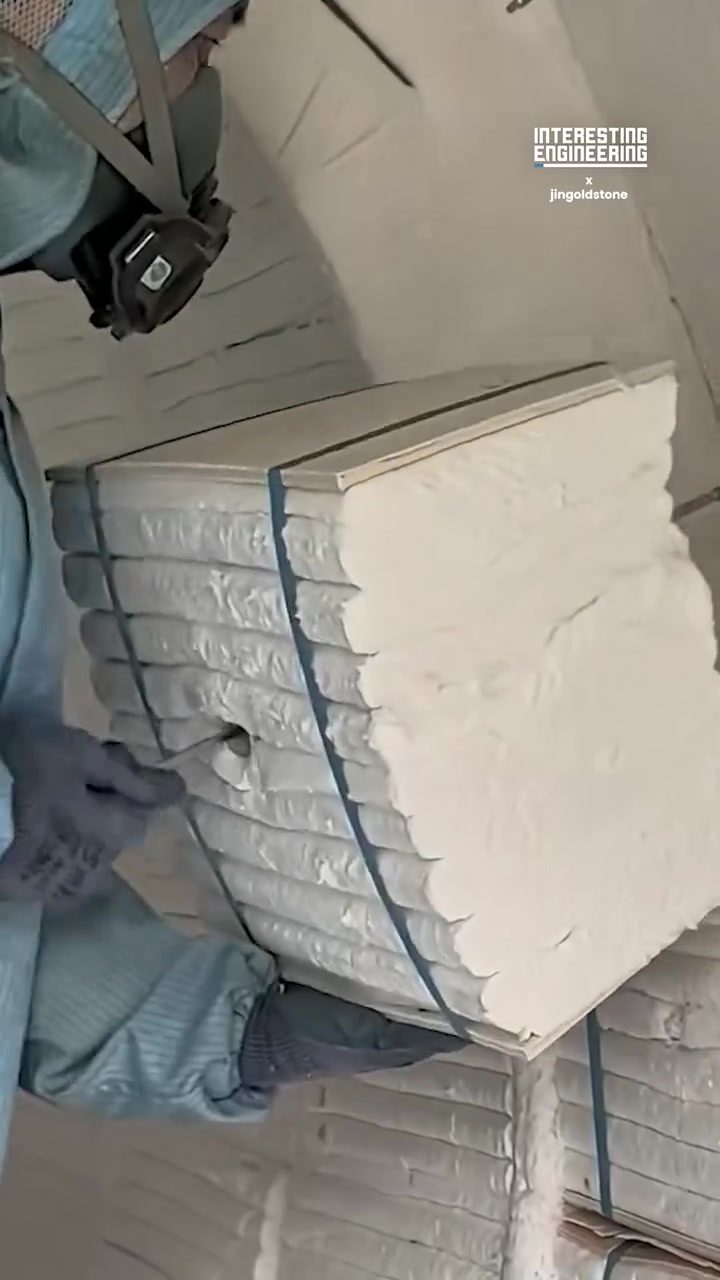
Ensuring the structural integrity of the tunnel is paramount. This involves selecting the right materials, designing robust support systems, and implementing effective sealing techniques. Workers apply sealants to the tunnel walls to prevent water seepage and reinforce the structure, ensuring long-term stability.
Safety and Environmental Considerations
Tunnel construction poses significant safety risks due to the confined spaces, heavy machinery, and unstable ground conditions. Safety measures, including ventilation systems, emergency protocols, and protective gear, are essential for protecting workers. Environmental considerations, such as minimizing groundwater pollution and managing waste, are also crucial.
Practical Tips for Successful Tunnel Construction
Thorough Geological Surveys
Conducting comprehensive geological surveys before starting construction is essential. This involves drilling test boreholes, analyzing soil and rock samples, and using geophysical techniques to map the subsurface conditions. Accurate geological data helps in designing the tunnel and selecting the appropriate tunneling method.
Advanced TBM Technology
Investing in advanced TBM technology can significantly enhance the efficiency and safety of tunnel construction. Modern TBMs are equipped with sophisticated navigation systems, real-time monitoring, and automated controls, which improve precision and reduce the risk of accidents.
Robust Support Systems
Implementing robust support systems, such as steel arches, shotcrete, and rock bolts, is crucial for maintaining the structural integrity of the tunnel. These systems provide immediate support to the tunnel walls and prevent cave-ins, ensuring a safe working environment.
Effective Water Management
Water management is a critical aspect of tunnel construction, especially in areas with high groundwater levels. Effective water management strategies, including groundwater pumping, drainage systems, and waterproofing techniques, are essential for preventing water ingress and maintaining the stability of the tunnel.
Important Takeaways
Tunnel construction is a complex and multifaceted process that requires a deep understanding of geology, engineering, and construction techniques. Key points to remember include:
- TBMs are indispensable tools for modern tunnel construction, offering precision and efficiency.
- Geological surveys are crucial for understanding subsurface conditions and designing appropriate tunneling strategies.
- Structural integrity and safety are paramount, requiring robust support systems and effective water management.
Conclusion
Tunnel construction is a testament to human ingenuity and engineering prowess. From the intricate design of TBMs to the challenges of geological uncertainties and structural integrity, every aspect of tunnel construction demands meticulous planning and execution. By understanding the complexities and innovations involved, we can better appreciate the marvels of underground infrastructure that support our modern world.
Watch the Reel
Questions readers ask
What are the primary purposes of tunnels in modern infrastructure?
Tunnels serve multiple purposes in modern infrastructure, including facilitating transportation, housing utilities like water and sewage, enabling mining operations, and providing storage solutions. They are crucial for urban development and efficient resource management. Some tunnels are designed for vehicular transport, while others are made for pedetrian and railway usage.
How do tunnel boring machines (TBMs) work?
TBMs are specialized machines used to excavate tunnels. They work by rotating a cutting wheel that chips away at the soil or rock, while simultaneously installing concrete or other support structures to stabilize the tunnel walls. TBMs can operate in various soil and rock conditions, making them indispensable for tunnel construction.
What role does geology play in tunnel construction?
Geology is crucial in tunnel construction as it helps engineers understand the soil and rock conditions they will encounter. By analyzing geological data, engineers can design tunnels that are both safe and efficient. This information also helps in choosing the appropriate construction methods and machines.
What are some common challenges in tunnel construction?
Tunnel construction faces several challenges, including managing water infiltration, dealing with unstable soil or rock, and ensuring proper ventilation. Engineers must also consider the structural integrity of the tunnel and its surrounding environment, as well as the safety of workers during the construction process.
What safety measures are essential during tunnel construction?
Safety measures in tunnel construction include proper ventilation to ensure workers have breathable air, using appropriate protective gear, and ensuring structural stability. Tunnels are also monitored for signs of instability, and emergency protocols are established for quick evacuation in case of accidents.
How is tunnel insulation implemented, and why is it important?
Tunnel insulation involves applying materials to the tunnel walls to control temperature and humidity. This is crucial for preventing condensation and protecting the structural integrity of the tunnel. Proper insulation also ensures the comfort and safety of users, making it a vital aspect of tunnel design.
What are the stages involved in the tunnel construction process?
The tunnel construction process starts with planning and design, followed by site preparation and excavation. This is typically followed by lining the tunnel with a support structure, installing any necessary utilities, and finally, conducting inspections and quality assurance to ensure the tunnel is safe and functional for its intended use.
Related deep dives
Similar reads based on topic and creator.


Recent articles
Fresh deep dives from the latest Reels we unpacked.




Comments
Be the first to comment.