Tuna vs. Eggs: Protein Powerhouses
Canned tuna and eggs are both celebrated for their high protein content. While eggs are often hailed as the ultimate protein source, canned tuna offers a compelling alternative with unique nutritional benefits and conveniences.
Context: Why This Matters
Canned tuna is a versatile and convenient food, perfect for meals and snacks on the go. Understanding its nutritional profile, particularly its protein content and comparison to eggs, can help individuals make informed decisions about incorporating it into their diets.
The Protein Power of Tuna
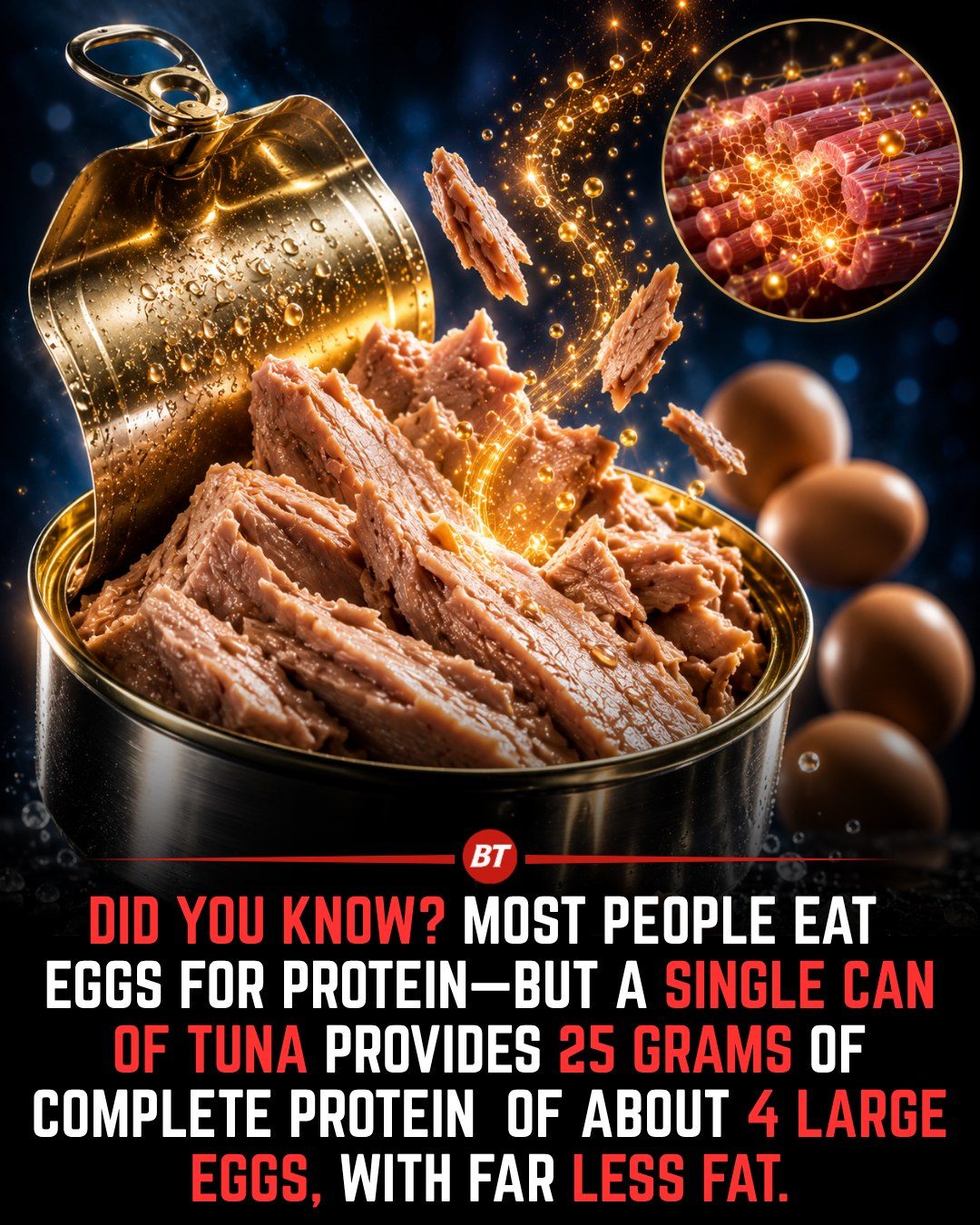
A standard can of tuna typically provides 25-30 grams of complete protein. This means it contains all nine essential amino acids necessary for building and repairing muscle, producing enzymes, and supporting immune function. This protein content is equivalent to that found in about four large eggs but with significantly less fat. This lean protein profile makes canned tuna an excellent choice for those aiming to increase their protein intake without consuming excessive calories.
Complete Protein
Complete proteins are those that contain all nine essential amino acids. These amino acids are crucial for various bodily functions, including muscle repair, enzyme production, and immune support. Tuna's complete protein profile makes it a valuable addition to diets focused on muscle building and maintenance.
Essential Nutrients
Beyond protein, canned tuna is also a rich source of essential nutrients:
- Vitamin B12: Supports energy metabolism, nerve function, and red blood cell production.
- Selenium: A potent antioxidant that supports thyroid function and immune health.
- Niacin: Essential for converting food into energy and maintaining healthy skin, nerves, and digestive system.
- Phosphorus: Crucial for bone health, energy metabolism, and supporting cellular functions.
Fat Content
One of the standout benefits of canned tuna is its low-fat content. Compared to eggs, tuna offers a significant amount of protein with far less fat. This makes it an ideal choice for those monitoring their fat intake or following a low-fat diet.
Eggs: A Nutritional Powerhouse
Eggs are another nutritional powerhouse, providing a range of essential nutrients. While they are often praised as the quintessential high-protein food, they also offer several other benefits.
Nutrient Profile
Eggs are rich in:
- Choline: Essential for brain function and development.
- Vitamin D: Crucial for bone health and immune function.
- Other Essential Nutrients: Eggs provide a variety of vitamins and minerals, including vitamin A, riboflavin, and folate.
Protein Content
A large egg contains about 6-7 grams of protein. To match the protein content of a single can of tuna (25-30 grams), you would need to consume around 4-5 large eggs. This comparative analysis highlights the protein-density of canned tuna.
Versatility
Eggs are incredibly versatile, used in various dishes from breakfast to desserts. They can be boiled, fried, scrambled, and more, making them a staple in many diets. However, their higher fat content, particularly dietary cholesterol, is a consideration for those with specific dietary needs or health concerns.
Practical Tips for Incorporating Tuna into Your Diet
Meal Ideas
Canned tuna is incredibly versatile and can be incorporated into a variety of dishes. Here are a few ideas:
- Salads: Mix canned tuna with Greek yogurt or avocado instead of mayonnaise, then serve it over a bed of greens.
- Sandwiches: Spread tuna salad on whole-grain toast or bagels for a protein-packed lunch.
- Casseroles: Use canned tuna as a main protein source in casseroles, combining it with vegetables and a light sauce.
- Pastas: Tuna pasta salads are a quick and easy option, combining tuna with pasta, vegetables, and a light dressing.
Choosing the Right Tuna
When selecting canned tuna, consider the following:
- Light Tuna vs. Albacore: Light tuna generally has less mercury than albacore, making it a safer choice for regular consumption. However, albacore tuna has a more robust flavor and firm texture.
- Water or Oil Packed: Opt for tuna packed in water to reduce calorie intake, particularly from added oils. Oil-packed tuna can still be a good option, especially if you're looking to incorporate some healthy fats into your diet.
Important Takeaways
Both canned tuna and eggs are excellent sources of high-quality protein, each with unique benefits. While eggs offer a broader range of essential nutrients, canned tuna delivers a dense protein punch with significantly less fat. Including both in a balanced diet can help meet protein needs while enjoying diverse nutritional benefits.
Conclusion
Canned tuna is a protein powerhouse that often flies under the radar compared to eggs. With its high protein content, low-fat profile, and rich nutrient composition, it's a valuable addition to any diet. Whether you're an athlete, a fitness enthusiast, or simply looking to boost your protein intake, canned tuna offers a convenient and nutritious option.
Watch the Reel
Questions readers ask
What is the protein content in canned tuna compared to eggs?
A typical 100-gram serving of canned tuna provides 25-30 grams of protein, while a large egg offers around 6-7 grams. This makes canned tuna a more protein-dense option among the two.
Is the protein in canned tuna complete?
Yes, the protein in canned tuna is considered complete. This means it contains all nine essential amino acids that the body needs for various functions, including muscle growth and repair.
How can I incorporate more canned tuna into my diet for a protein boost?
Canned tuna is incredibly versatile. You can add it to salads, sandwiches, or pasta dishes. It's also great for quick snacks, such as tuna salad with whole-grain crackers or mixed with Greek yogurt for a protein-rich dip.
What are the benefits of choosing canned tuna over eggs for protein?
Canned tuna is a leaner option with lower fat content compared to eggs. It also provides essential nutrients like omega-3 fatty acids, which are beneficial for heart health and overall well-being.
Is canned tuna a healthy protein source for those following a specific diet?
Yes, canned tuna is suitable for various diets, including low-fat, low-carb, and high-protein regimes. Its low-calorie and high-protein content make it a valuable addition to diet plans.
Does canned tuna have any advantage in protein over other high protein foods?
Compared to many other protein sources, canned tuna offers a convenient, ready-to-eat option that's easy to incorporate into meals. Its shelf life and versatility make it a practical choice for maintaining a high-protein diet.
Related deep dives
Similar reads based on topic and creator.




Recent articles
Fresh deep dives from the latest Reels we unpacked.




Comments
Be the first to comment.