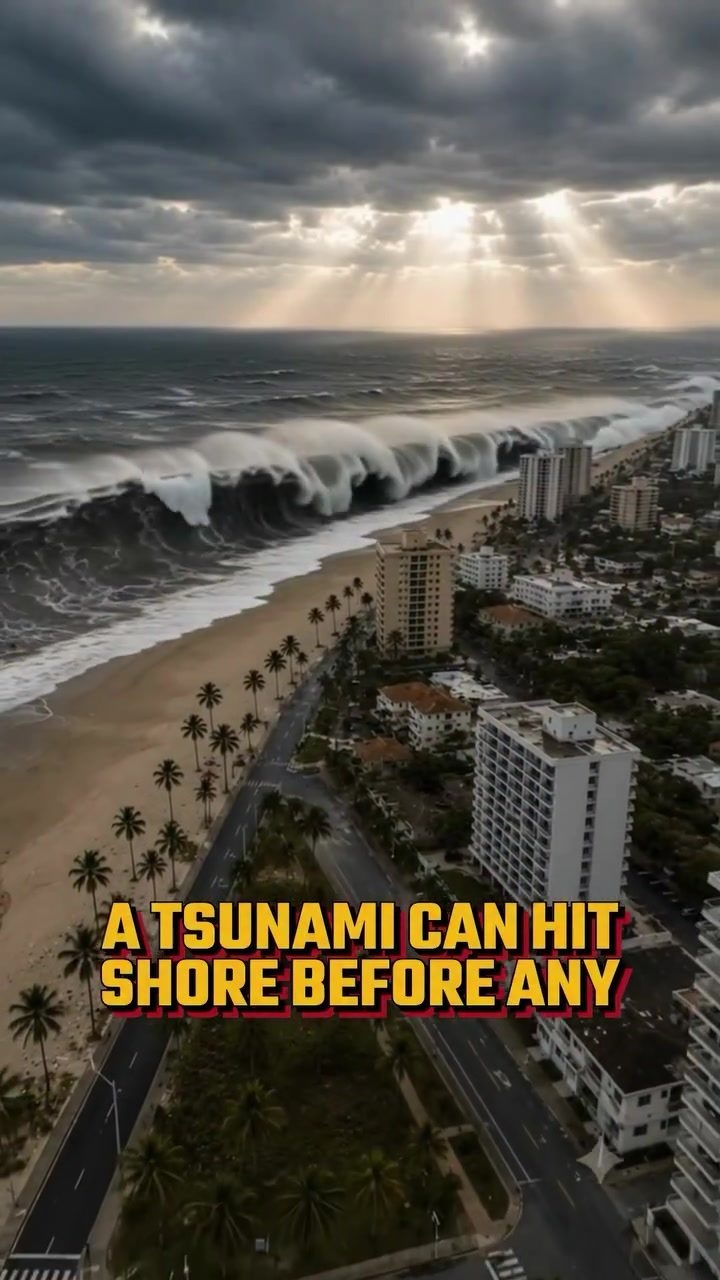
Tsunamis have a head start on detection systems
Tsunamis are a geophysical phenomenon where a series of huge waves is triggered by an event such as an underwater earthquake. Estimates suggest tsunamis can travel at speeds over 800 kilometers per hour — roughly as fast as a jet airliner. Even at this speed, waves can take hours to reach the shore. However, tsunamis do not wait for emergency alerts to strike. The waves can reach the shore before any official warning is issued.
Response to a tsunami relies on immediate self-evacuation.
Ground shaking and changes in the ocean are the first signs of a tsunami. If a strong earthquake persists near the coast, do not wait for a warning system. Make haste to move higher. Tsunamis do not need an alert system. The natural changes are the warnings that save lives. In the Pacific Northwest of the USA, this is especially true since the Cascadia Subduction Zone has not produced a significant tsunami in centuries. The US Geological Survey has reported seismic activity in the region, but no warnings have gone out.
Coastal ocean changes precede tsunamis.
Tsunamis do not always roar like the ocean in a hurricane. Sometimes, the first indication is the strange behavior of the sea itself. The ocean floor becomes exposed at a pace that defies the average tides. The pulse of the sea is withdrawn from the shore and slinks back — worrying lonings of seawater at the shoreline that are unlike the normal waves. ‘It may pull back quickly, exposing the seafloor’ — this observable change is one of the three signs of a tsunami.
Tsunamis are series of waves: the first wave is not always the largest
In the aftermath of a tsunami, the immediate concern is the first wave. However, tsunamis are a series of waves. If you are at the shore and see a first wave, this does not ensure safety. The first wave is not always the largest wave in a tsunami. A tsunami is a series of rolling waves. ‘A tsunami is a series of waves and the first isn't always the biggest.’ If you encounter any of the signs highlighted — strong ground shaking, the ocean pulling back, or an unusual roar from the sea — know that evacuating to higher ground is your best chance for survival.
Watch the Reel
Related deep dives
Similar reads based on topic and creator.

Recent articles
Fresh deep dives from the latest Reels we unpacked.

Comments
Be the first to comment.