The Mechanics of a Tsunami
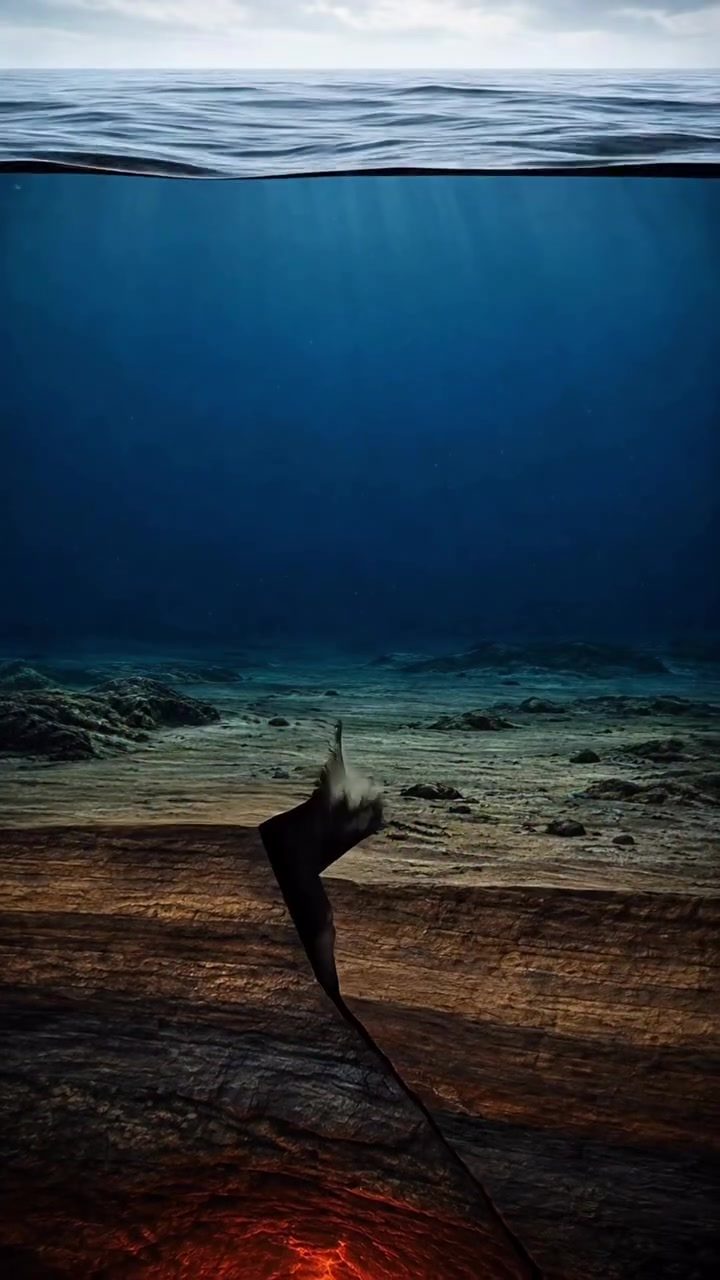
A tsunami is born from an underwater earthquake, which lifts the seafloor and displaces a vast volume of water. The energy unleashed travels swiftly, capable of reaching speeds over 500 miles per hour, as fast as a jet plane. This energy surges swiftly through the open ocean, potentially moving as fast as a jet plane. However, as the wave approaches the shore, the seafloor acts as a brake, slowing the wave down and causing it to grow taller. This phenomenon is why tsunamis often appear as a rapidly rising tide rather than a traditional breaking wave. Earthquakes aren't the only triggers. Other geological events, such as underwater landslides or volcanic eruptions, can also generate tsunamis. However, earthquakes remain the most common cause. Whether the trigger is an earthquake or otherwise, the resulting energy transfer is the key factor in understanding tsunamis. The energy released by these events can travel vast distances, making tsunamis a threat to coastal communities around the world.
Tsunami Warnings
When a tsunami approaches shore, the water may pull back dramatically, exposing the typically submerged seafloor. This retraction can be deceptive. Instead of a warning, many perceive it as a temporary retreat of the ocean. However, it is actually the precursor to a devastating surge. Minutes later, the water returns with immense force, posing a critical risk to anyone remaining coastal. The sudden withdrawal of water is a critical warning sign. These moments offer a narrowly limited chance to seek higher ground. One of the most striking warnings is the sudden retraction of the ocean. Locals should immediately heed this alarm. The exposed seafloor should be an incentive for those living near the coast to quickly retreat to higher ground — minutes can save lives. With the first sight of the ocean pulling back, do not hesitate.
Coastal Impacts
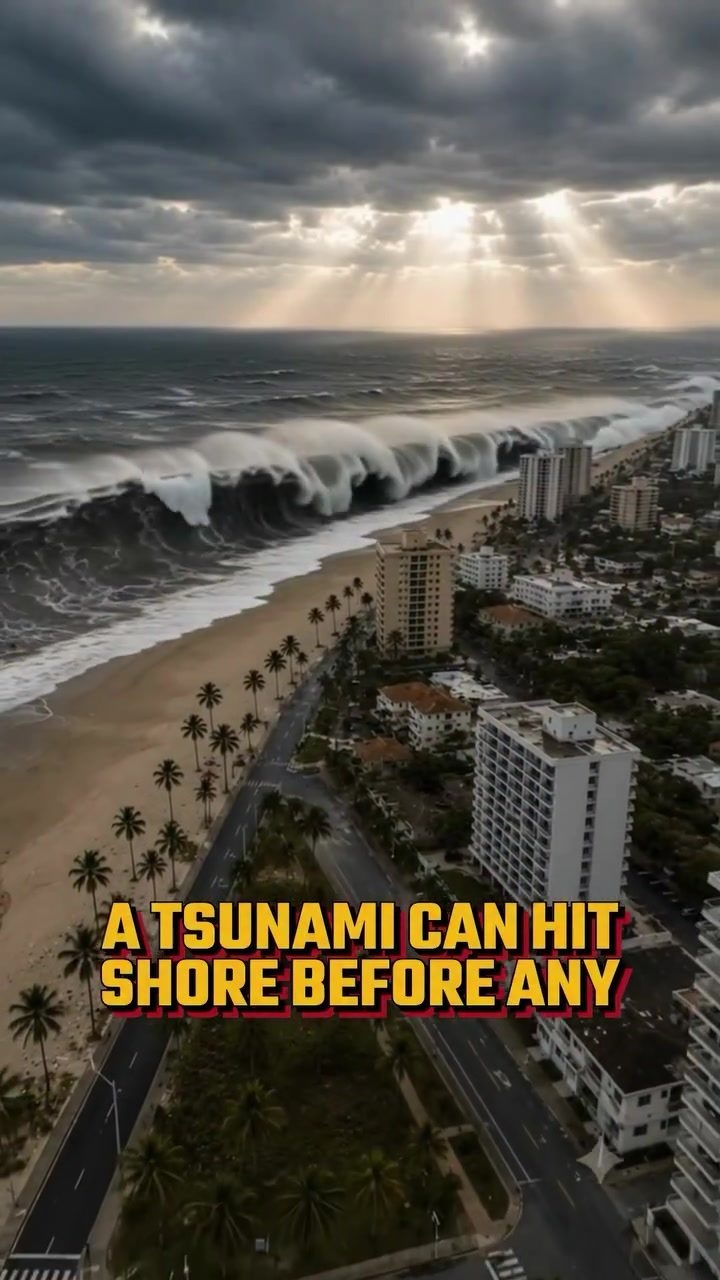
Tsunamis have the power to devastate coastal areas. Palm trees and roads along the beach can be engulfed by the surging water, leading to significant damage to infrastructure. In some cases, buildings in the background become partially submerged, further emphasizing the immense power of the waves. Stormy weather conditions can exacerbate the danger, making it even harder for residents to evacuate safely. Palm trees lining the roads and buildings in the background dramatize the power of tsunamis. When a powerful wave crashes, any nearby cityscape is vulnerable. The sheer power of the water wreaks havoc on the infrastructure that coastal communities rely on. Trees are uprooted, roads are flooded, and buildings may be partially submerged. These elements are a poignant reminder of the raw, destructive force of tsunamis.
The Importance of Preparedness
Preparing for the catastrophic effects of a tsunami is paramount. Knowing the warning signs and having a plan in place can make a significant difference in survival rates. Understanding key points helps coastal residents and visitors to recognize the dangers and respond appropriately. The presence of a wooden structure on the seabed is an unexpected element. However, the contrast between the stormy surface and the serene depths below the water's surface is a poignant reminder of the dual nature of coastal ecosystems. The dramatic sky and ocean conditions underscore the raw power of nature. Recognizing the signs of an impending tsunami and acting swiftly can save lives. Education and preparedness are crucial, especially in areas frequently targeted by such natural disasters.
Watch the Reel
Related deep dives
Similar reads based on topic and creator.


Recent articles
Fresh deep dives from the latest Reels we unpacked.


Comments
Be the first to comment.