The Nutritional Power of Watermelon Seeds
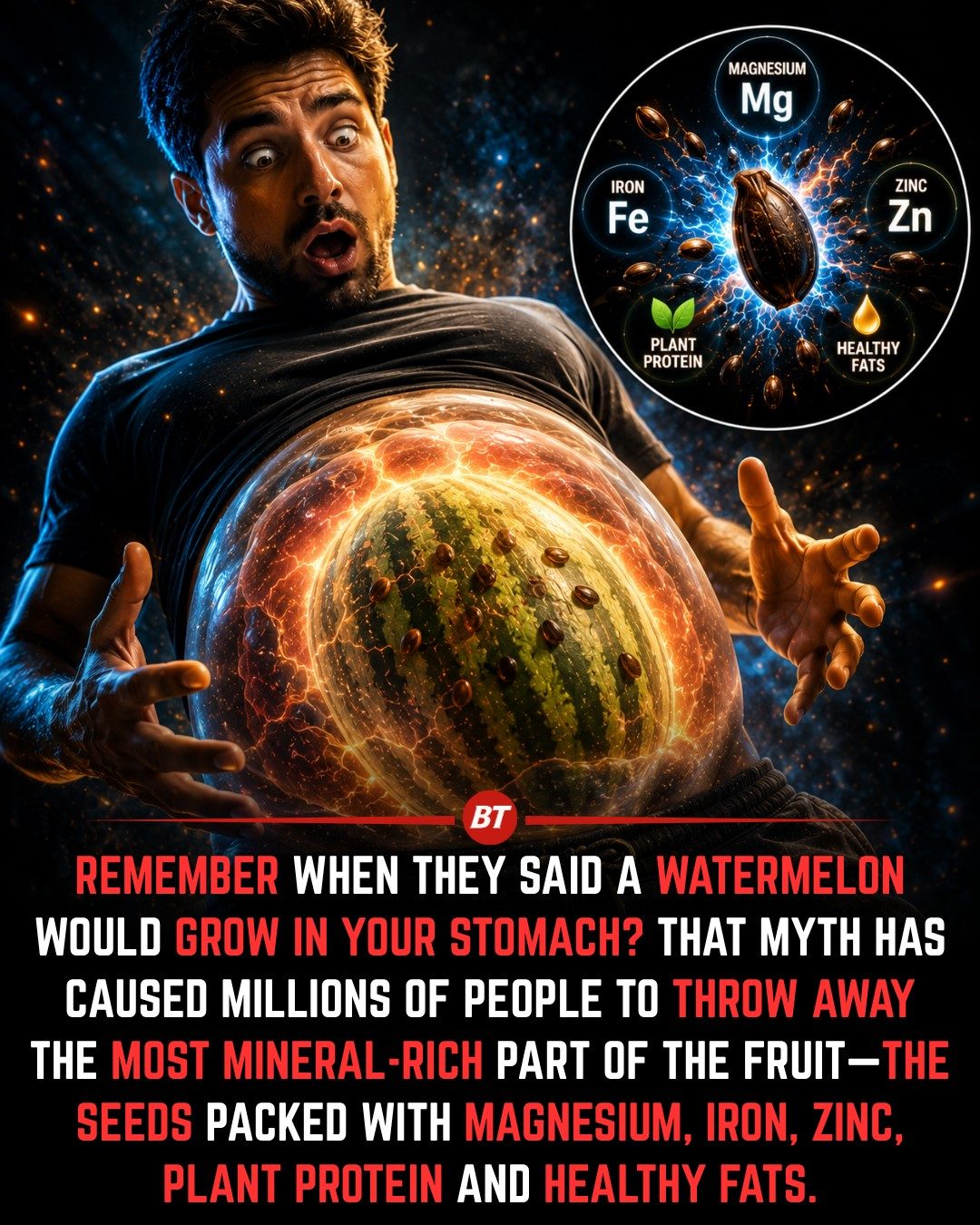
Watermelon seeds, often discarded due to a widespread myth, are a nutritional powerhouse. Many of us grew up hearing that swallowing a watermelon seed would cause a watermelon to grow in our stomach. This humorous childhood warning has led to countless people spitting out or discarding seeds that are surprisingly nutrient-dense. By dispelling this myth, we can uncover the hidden benefits of watermelon seeds.
Why This Matters
Watermelon seeds are one of the most overlooked parts of the fruit. They are packed with essential nutrients, including magnesium, iron, zinc, plant protein, and healthy fats. These nutrients support various bodily functions, from muscle health and energy production to immune support and metabolism. By incorporating watermelon seeds into your diet, you can boost your overall health and well-being.
The Nutritional Breakdown of Watermelon Seeds
Magnesium
Magnesium is crucial for muscle and nerve function, blood sugar control, and blood pressure regulation. It also helps in the production of protein, bone, and DNA.
Iron
Iron is essential for producing hemoglobin, a protein in red blood cells that carries oxygen to your body's tissues. Adequate iron intake helps prevent anemia and supports overall energy levels.
Zinc
Zinc plays a vital role in immune function, protein synthesis, and wound healing. It is also necessary for proper growth and development during pregnancy, childhood, and adolescence.
Plant Protein
Watermelon seeds are a good source of plant-based protein, which is essential for building and repairing tissues in the body. Protein also helps maintain healthy skin, hair, and nails.
Healthy Fats
The healthy fats in watermelon seeds, particularly unsaturated fats, support heart health, brain function, and overall well-being.
B Vitamins
Watermelon seeds contain B vitamins, which help your body convert food into energy. These vitamins are essential for maintaining a healthy metabolism and supporting various bodily functions.
Antioxidants
Antioxidants in watermelon seeds help protect cells from oxidative stress, which can lead to chronic diseases and aging.
Roasted Watermelon Seeds: A Versatile Snack
Roasting watermelon seeds brings out their nutty flavor and crunchy texture. They make an excellent snack or topping for salads, yogurt, or oatmeal. To roast watermelon seeds, follow these simple steps:
- Rinse the seeds to remove any pulp.
- Pat them dry with a paper towel.
- Toss the seeds with a little olive oil and your favorite seasoning.
- Spread them on a baking sheet and roast in the oven at 350°F (175°C) for about 10-15 minutes, or until crispy.
- Let them cool before enjoying as a snack or topping.
Practical Tips for Incorporating Watermelon Seeds into Your Diet
Snack Satisfaction
Roasted watermelon seeds are a satisfying and nutritious snack. They are easy to prepare and can be stored in an airtight container for quick access.
Add to Recipes
Try adding roasted watermelon seeds to your favorite recipes for an extra nutritional boost. They pair well with sweet and savory dishes, making them a versatile ingredient.
Incorporate Into Breakfast
Sprinkle roasted watermelon seeds over your morning oatmeal, yogurt, or smoothie bowl for added crunch and nutrition.
Use as a Topping
Top your salads with roasted watermelon seeds for added texture and flavor. They also make a great addition to trail mix or granola.
Homemade Granola
Make your own granola by mixing roasted watermelon seeds with oats, nuts, and dried fruits. Bake until golden and enjoy as a nutritious breakfast or snack.
Important Takeaways
Nutrition Beyond the Flesh
Nature designed the entire watermelon to be useful, not just the juicy center. Watermelon seeds are a concentrated source of essential nutrients that support overall health.
Healthy Snacking
Roasted watermelon seeds offer a tasty and healthy snacking option. They are easy to prepare and can be enjoyed in various ways.
Versatility in the Kitchen
Watermelon seeds can be incorporated into many dishes, from salads to oatmeal and smoothie bowls. Their versatility makes them a valuable addition to your diet.
Dispelling the Myth
The myth that swallowing a watermelon seed would cause a watermelon to grow in your stomach has led many to discard this nutritious part of the fruit. By understanding the true nutritional value of watermelon seeds, you can make better choices for your health.
Conclusion
Watermelon seeds are a powerful source of essential nutrients that support overall health and well-being. By incorporating them into your diet, you can enjoy the benefits of magnesium, iron, zinc, plant protein, and healthy fats. Whether you roast them as a snack or add them to your favorite recipes, watermelon seeds are a versatile and nutritious addition to your meals. So next time you cut into a watermelon, don't discard the seeds—harness their nutritional power and enjoy the benefits!
Watch the Reel
Questions readers ask
Are watermelon seeds safe to eat?
Absolutely, watermelon seeds are safe to eat. Despite the myth, they will not grow into watermelons in your stomach. They are a source of essential nutrients, and you can incorporate them into your diet in various ways.
What are the key nutrients found in watermelon seeds?
Watermelon seeds are rich in magnesium, iron, zinc, and healthy fats. Specifically, a 1-ounce serving of dried watermelon seeds contains 2.4% of the recommended daily intake for calcium. They also provide plant protein, which is beneficial for a balanced diet.
How can I consume watermelon seeds?
You can eat them raw, roasted, or even ground into a powder. Roasting them with a bit of salt can enhance their flavor. Alternatively, you can blend them into smoothies or add them to salads for a nutritional boost.
Why are watermelon seeds considered a good source of protein?
Watermelon seeds contain plant-based protein, making them an excellent addition to vegetarian and vegan diets. Protein is essential for building and repairing tissues, and incorporating watermelon seeds into your meals can help you meet your daily protein requirements.
What are the benefits of the magnesium in watermelon seeds?
Magnesium in watermelon seeds supports various bodily functions, including muscle and nerve function, blood sugar control, and blood pressure regulation. It also plays a crucial role in energy production and maintaining a healthy immune system.
Are there any benefits to eating the seeds along with the watermelon?
Yes, there are benefits to eating the seeds along with the watermelon flesh. This combination provides a comprehensive nutritional profile from the fruit's flesh and the seeds. Eating the seeds can help you extract every bit of goodness from the fruit, ensuring you don’t waste any of the beneficial nutrients.
Related deep dives
Similar reads based on topic and creator.




Recent articles
Fresh deep dives from the latest Reels we unpacked.




Comments
Be the first to comment.