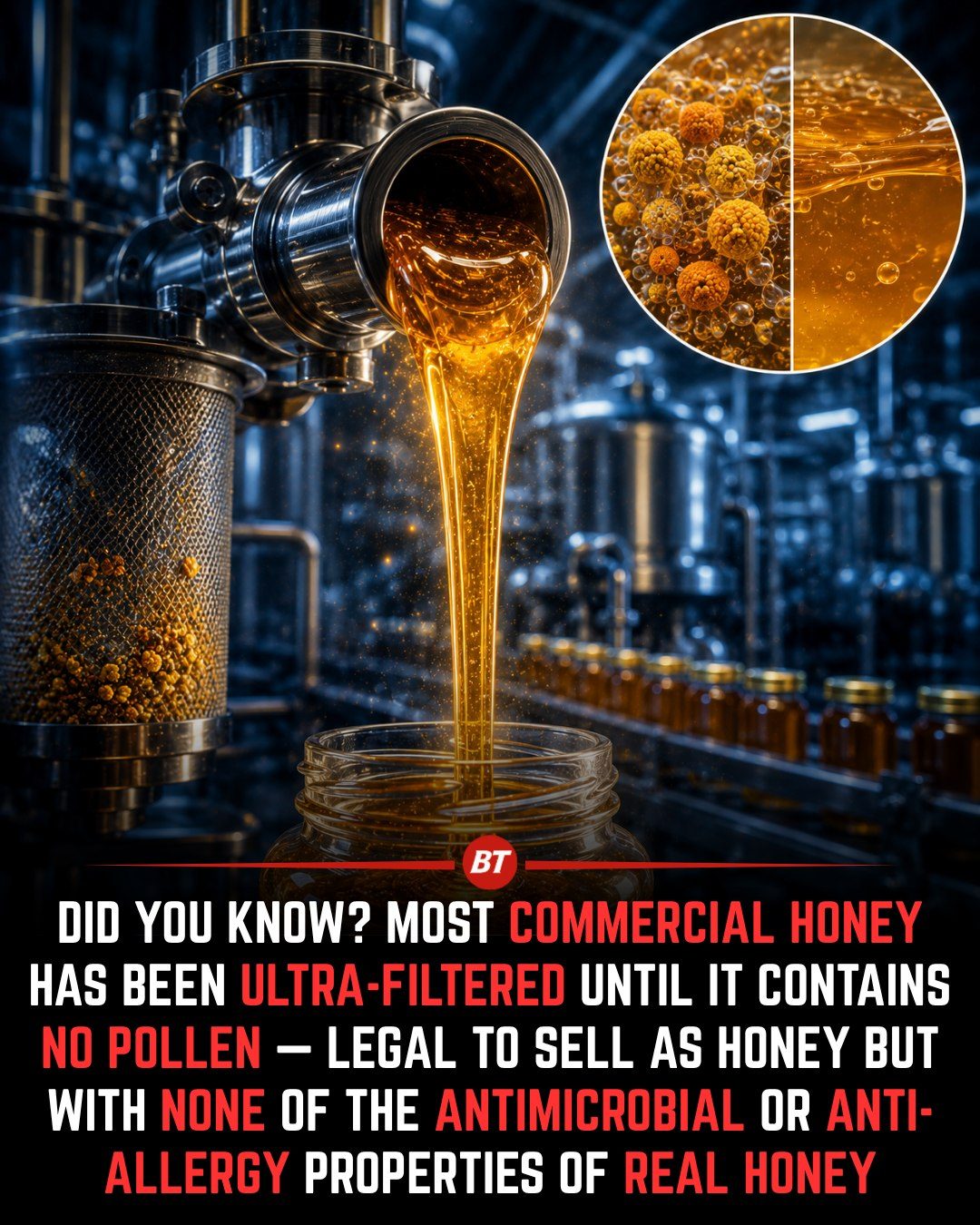
Honey: The Hidden Truth About Ultra-Filtration
Honey is a natural sweetener beloved for its unique taste and potential health benefits. However, not all honey is created equal. The process of ultra-filtration has become a common practice in commercial honey production, altering the natural composition of this golden liquid.
Context / Why This Matters
Understanding the differences between ultra-filtered and raw honey is crucial for consumers who value the natural properties and potential health benefits of honey. Ultra-filtration, while producing a clearer and smoother product, significantly impacts the composition and properties of honey.
The Role of Pollen in Honey
Pollen plays a vital role in raw honey. It acts as a natural fingerprint, revealing the floral and geographic origins of the honey. This botanical fingerprint allows scientists to trace the honey's source, ensuring authenticity.
Main Discussion
Ultra-filtration is a process that removes pollen and other tiny particles from honey. This results in a product that has a longer shelf life and a more uniform appearance. However, this process comes at a cost.
What is Ultra-Filtration?
Ultra-filtration involves passing honey through very fine filters that remove pollen, beeswax, enzymes, and other natural compounds. The result is a clear, smooth honey that has a longer shelf life. However, this process strips the honey of its natural characteristics and potential health benefits.
Health Implications of Ultra-Filtration
While pollen itself is not directly responsible for honey's antibacterial properties, it is an indicator of the honey's natural composition. Raw honey, which retains its pollen grains, beeswax, and enzymes, is often preferred by those who value its natural health benefits.
Honey's antimicrobial properties are primarily due to its high sugar concentration, naturally low pH, and hydrogen peroxide-producing enzymes. Some varieties, such as Manuka honey, contain additional bioactive compounds like methylglyoxal, which contribute to its unique health benefits.
The Impact on Antimicrobial and Anti-Allergy Properties
Ultra-filtration removes these natural compounds, leaving a product that lacks the antimicrobial and anti-allergy properties found in raw honey. This means that while ultra-filtered honey can still be legally sold as honey, it has significantly reduced health benefits.
Practical Tips
When purchasing honey, it's essential to read the label carefully. Look for terms like "raw," "unfiltered," or "minimally processed" if you are looking for honey that retains its natural composition and potential health benefits.
Additionally, consider the source of the honey. Honey from local producers or farmers' markets often undergoes less processing, ensuring that you get a product closer to its natural state.
Important Takeaways
-
Ultra-filtration removes natural compounds: This process strips honey of its natural pollen, beeswax, and enzymes, which are indicators of its natural composition and potential health benefits.
-
Health benefits are reduced: Ultra-filtered honey lacks the antimicrobial and anti-allergy properties found in raw honey, making it a less beneficial choice for those seeking natural health benefits.
-
Read labels carefully: Look for terms like "raw," "unfiltered," or "minimally processed" to ensure you are getting honey that retains its natural composition.
Conclusion
Honey is more than just a sweetener; it is a complex natural food with potential health benefits. Understanding the impact of ultra-filtration on honey's composition and properties can help consumers make informed choices. By opting for raw or minimally processed honey, you can enjoy a product that retains its natural composition and potential health benefits.
Watch the Reel
Questions readers ask
What is ultra-filtered honey and how does it differ from raw honey?
Ultra-filtered honey is a commercially processed honey that undergoes a process to remove impurities and extend its shelf life. This process removes natural compounds like pollen, beeswax, and enzymes, making it different from raw honey, which retains all of its natural components.
Why is pollen important in honey?
Pollen is a crucial component in raw honey. It acts as a unique identifier for the type of flowers and regions where the bees have collected nectar, giving honey its distinctive traits. Additionally, pollen is believed to have various beneficial properties.
How does ultra-filtration affect the shelf life of honey?
Ultra-filtration extends the shelf life of honey by removing impurities and natural compounds that can cause crystallization and spoilage. However, this process also eliminates some of the natural properties and potential health benefits that are present in raw, unpasteurized honey.
What are the benefits of choosing raw honey over ultra-filtered honey?
Raw honey retains all of its natural compounds, including pollen, enzymes, and other beneficial components. These elements contribute to the unique flavor, aroma, and potential health benefits that are often associated with raw honey.
Why do commercial honey producers use ultra-filtration?
Commercial producers use ultra-filtration to create a more uniform and stable product that can be stored for a longer period. This process makes the honey clearer and smoother, which some consumers prefer. Additionally, it allows producers to blend honey from different sources, which can help maintain a consistent supply.
Does ultra-filtration affect the taste and color of honey?
Yes, ultra-filtration can significantly alter the taste and color of honey. By removing pollen and other natural compounds, the process can make the honey taste milder and appear clearer, which may not reflect the unique characteristics of the original honey.
Is ultra-filtered honey safe to consume?
Ultra-filtered honey is generally safe to consume, as the process removes impurities and contaminants. However, it is important to note that the removal of natural compounds, such as enzymes and pollen, can also alter the potential benefits that raw honey offers. Therefore, it is essential to consider the trade-offs when choosing between ultra-filtered and raw honey.
Related deep dives
Similar reads based on topic and creator.


Recent articles
Fresh deep dives from the latest Reels we unpacked.




Comments
Be the first to comment.