Store-Bought Orange Juice: Fresh from the Store or Not?
Orange juice is a popular beverage enjoyed by many for its refreshing taste and health benefits. However, many people remain unaware of the processing steps involved in producing store-bought orange juice, especially those labeled "not from concentrate." This can lead to misconceptions about the freshness and natural flavor of the juice.
Why This Matters
Understanding the nuances of orange juice production can help consumers make more informed choices about the products they purchase. The processing techniques used in mass production can significantly affect the flavor, aroma, and nutritional content of the juice. By being aware of these factors, consumers can better assess the quality of the orange juice they buy and choose options that align with their preferences and health goals.
The Processing of Store-Bought Orange Juice
Storage and Preservation
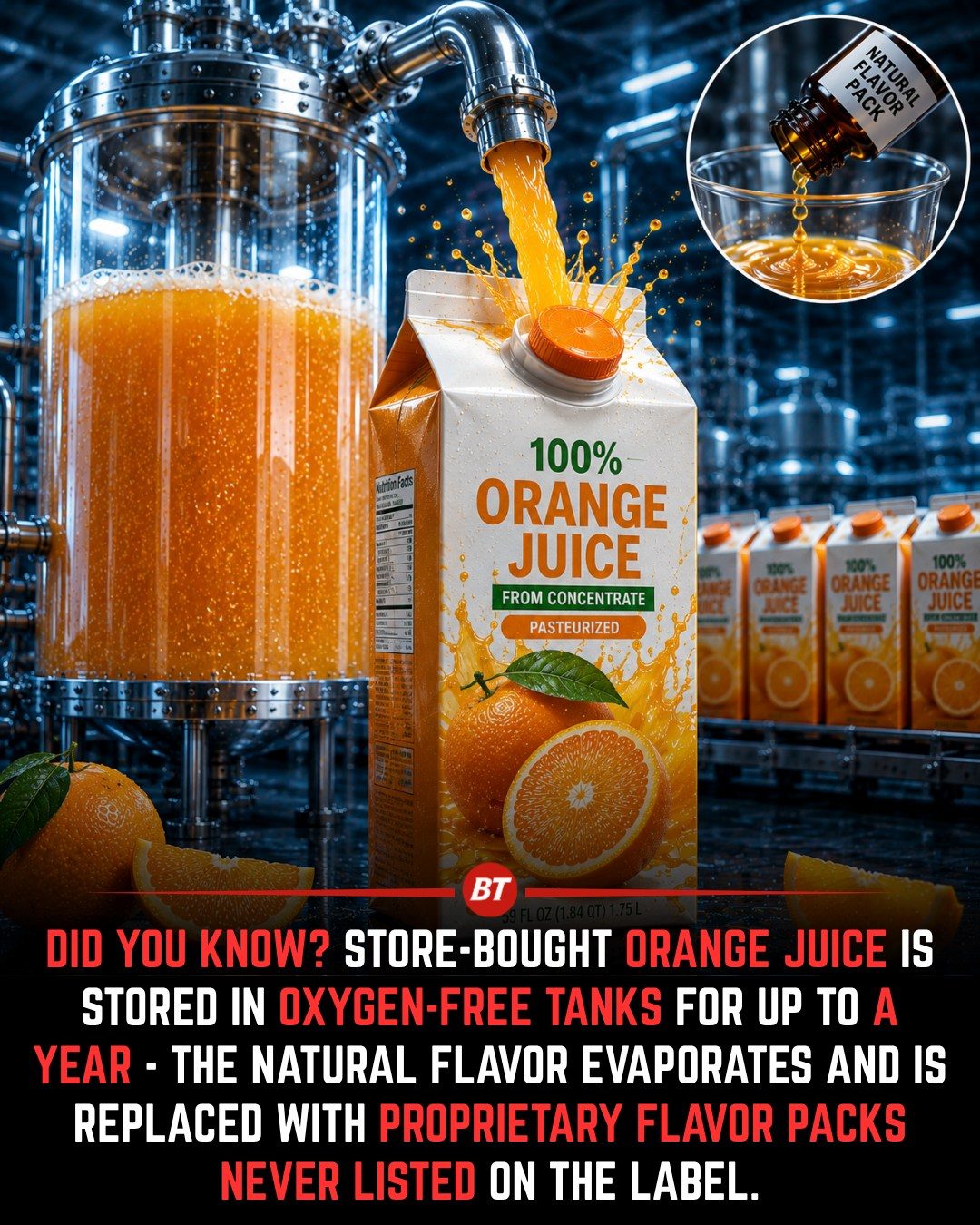
Store-bought orange juice often undergoes a series of processing steps before it reaches the shelves. Many "not from concentrate" juices are not squeezed and bottled immediately after the oranges are picked. Instead, they may be stored in large oxygen-reduced tanks for extended periods, sometimes lasting several months. This storage method helps to preserve the juice by preventing spoilage, but it also has a notable impact on its natural flavor. The extended storage process removes much of the oxygen from the tanks, which, in turn, strips away many of the natural aroma compounds that give fresh orange juice its distinctive taste and fragrance.
Flavor Restoration
To ensure a consistent taste year-round, many companies use proprietary flavor packs made from natural orange essences and oils collected during the juice processing. These flavor packs, known as aroma compounds, are added back into the juice to replace the natural flavors that were lost during storage. These flavor packs, derived from oranges, do not need to be listed separately on the label under U.S. food labeling regulations, as they are considered natural and not artificial. This practice is common and is designed to meet consumer expectations for a uniform taste experience, regardless of the season.
Consumer Expectations
The use of flavor packs is a standard practice in the industry, but it can be misleading for consumers who might assume that "not from concentrate" juice is freshly squeezed and bottled. The 2023 review published in Foods highlights how aroma compounds are naturally lost during long-term juice storage and how citrus flavor fractions are used to restore a consistent sensory profile. This means that while the juice may not be unsafe or artificial, the flavor profile has been manipulated to maintain consistency.
Practical Tips for Buying Orange Juice
If you're looking for a more authentic orange juice experience, consider the following tips:
Choose Freshly Squeezed or Locally Pressed Juice
Freshly squeezed or locally pressed orange juice generally provides a fresher aroma and flavor. These juices spend far less time in storage, which means more of their natural volatile compounds are still intact. This can result in a brighter citrus aroma and a more vibrant flavor.
Look for Minimally Processed Options
Minimally processed orange juices are another good option. These juices undergo less processing, which helps to preserve more of the natural flavor and nutrients. Look for labels that indicate minimal processing or cold-pressed methods, as these can provide a more authentic and flavorful experience.
Read the Labels Carefully
It's important to read the labels carefully to understand the processing methods used. Look for terms like "not from concentrate," "pasteurized," and "100% orange juice." While these terms can be helpful, they don't always tell the whole story. Pay attention to any additional information provided on the label, such as storage methods and flavor additives.
Important Takeaways
- Store-bought "not from concentrate" orange juices may be stored for months before packaging, which affects their natural flavor.
- Manufacturers use proprietary flavor packs to restore the lost aroma compounds, ensuring a consistent taste year-round.
- These flavor packs are derived from natural orange essences and oils and are not required to be listed on the label.
- Freshly squeezed, locally pressed, or minimally processed orange juices generally offer a fresher aroma and flavor.
- Reading labels carefully can help consumers make more informed choices about the orange juice they purchase.
Conclusion
Understanding the processing steps involved in producing store-bought orange juice can help consumers make better-informed choices. While the use of flavor packs ensures a consistent taste, it also means that the juice may not be as fresh as it seems. By choosing freshly squeezed, locally pressed, or minimally processed options, consumers can enjoy a more authentic and flavorful orange juice experience.
Watch the Reel
Questions readers ask
What does 'not from concentrate' mean on orange juice labels?
'Not from concentrate' on orange juice labels indicates that the juice was not reconstituted from concentrate. This means that the juice was extracted from oranges, pasteurized, and then packaged. However, it may still undergo processes that alter its natural flavor and aroma.
How is the flavor of 'not from concentrate' orange juice altered during processing?
During processing, 'not from concentrate' orange juice may undergo pasteurization, which can degrade flavor compounds. Additionally, the juice may be stored for extended periods, leading to further loss of natural flavor and aroma. Some manufacturers may also add flavor packs to mimic the taste of fresh oranges.
Is 'not from concentrate' orange juice as fresh as freshly squeezed orange juice?
No, 'not from concentrate' orange juice is not as fresh as freshly squeezed orange juice. Freshly squeezed juice is made immediately from oranges, while 'not from concentrate' juice goes through processing and storage, altering the natural flavor, aroma, and nutritional content.
What are the differences between 'not from concentrate' and orange juice concentrate?
'Not from concentrate' orange juice is made directly from oranges and then packaged. Orange juice concentrate, on the other hand, is made by removing water from the juice, which is then stored and later reconstituted with water before packaging. The concentrate process can lead to significant loss of flavor and aroma compounds, but also allows for longer storage and easier transportation.
How can I know if my store-bought orange juice is 'not from concentrate'?
To determine if your store-bought orange juice is 'not from concentrate', check the label. It should clearly state 'not from concentrate' or '100% pure orange juice not from concentrate'. Be aware that some brands may use misleading terms, so it's important to read the labels carefully.
Recent articles
Fresh deep dives from the latest Reels we unpacked.




Comments
Be the first to comment.