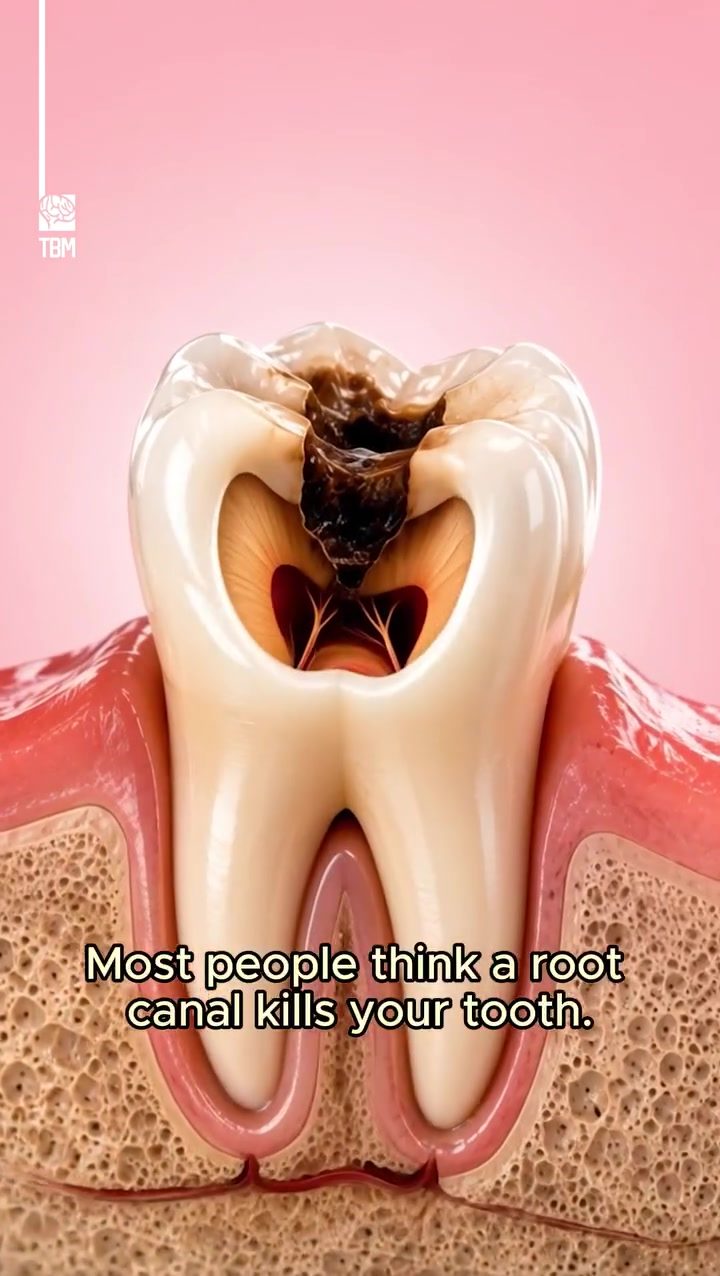
Root Canal Procedure: Saving Infected Teeth
Root canals are often misunderstood as a procedure that kills the tooth. In reality, a root canal saves an infected tooth. This crucial dental procedure involves removing the infected pulp, cleaning and disinfecting the root canals, and sealing them to prevent bacteria from returning. The tooth remains supported by the surrounding bone and gums, allowing it to function normally for years.
Why Root Canals Matter
Root canals are essential for preserving natural teeth that have been compromised by infection. When the soft tissue inside a tooth, known as the pulp, becomes infected, it can cause significant pain and lead to more serious issues if left untreated. The infection can spread beyond the tooth, potentially causing an abscess. By performing a root canal, dentists can eliminate the infection, save the tooth, and prevent further complications.
The Root Canal Process
Understanding the Pulp
The pulp is the soft tissue inside the tooth that contains nerves and blood vessels. When this tissue becomes infected, usually due to deep decay or a crack in the tooth, it can cause intense pain. The infection can spread to the surrounding tissues, leading to more severe health issues if not treated promptly.
Initial Steps
The root canal process begins with the dentist creating a small opening through the top of the tooth. This access point allows the dentist to reach the infected pulp chamber. Using extremely fine instruments, the dentist carefully removes the damaged pulp, including the nerve and tiny blood vessels from each root canal. This step is crucial for eliminating the source of the infection and relieving pain.
Cleaning and Disinfecting
Once the infected pulp is removed, the empty canals are thoroughly cleaned, disinfected, and shaped. This step is essential for eliminating any remaining bacteria and preparing the tooth for the next phase of the procedure. The cleaning process ensures that the tooth is completely sterile, reducing the risk of future infection.
Sealing the Tooth
After the canals are clean and disinfected, they are filled with a rubber-like material called gutta-percha. This material seals the canals and prevents bacteria from re-entering. The tooth is then sealed with a permanent filling to provide additional protection. Although the nerve is removed during the procedure, the tooth can still function normally because it is held in place and supported by the surrounding bone and gums.
Practical Tips for Maintaining Dental Health
Regular Check-ups
Regular dental check-ups are crucial for maintaining oral health and preventing the need for a root canal. Dentists can detect and treat issues early, often before they become serious problems. Regular cleanings and check-ups can help keep teeth healthy and strong.
Proper Oral Hygiene
Maintaining good oral hygiene is essential for preventing tooth decay and infection. Brushing and flossing regularly can help remove plaque and bacteria from the teeth and gums. Using a fluoride toothpaste can also help strengthen the teeth and prevent decay.
Prompt Treatment
If you experience tooth pain or sensitivity, it is important to seek dental treatment promptly. Early intervention can often prevent the need for a root canal and save the tooth from further damage. Addressing dental issues promptly can also save time and money in the long run.
Important Takeaways
Misconceptions About Root Canals
One of the most common misconceptions about root canals is that they kill the tooth. In reality, a root canal saves the tooth by removing the infected pulp and sealing the canals to prevent further infection. This procedure allows the tooth to remain functional and supported by the surrounding bone and gums.
The Importance of Professional Care
Root canals should always be performed by a licensed dental professional. The procedure requires specialized training and equipment to ensure that the tooth is properly cleaned, disinfected, and sealed. Attempting to perform a root canal at home or without proper training can lead to further damage and complications.
Long-Term Benefits
A successful root canal can provide long-term benefits, allowing the tooth to function normally for many years. With proper care and maintenance, a tooth that has undergone a root canal can last a lifetime. Regular dental check-ups and good oral hygiene practices can help ensure the longevity of the treated tooth.
Conclusion
A root canal is a vital dental procedure that saves infected teeth by removing the damaged pulp, cleaning and disinfecting the root canals, and sealing them with gutta-percha. This procedure allows the tooth to remain functional and supported by the surrounding bone and gums, providing long-term benefits and preventing further complications. Regular dental check-ups, proper oral hygiene, and prompt treatment of dental issues can help maintain overall oral health and prevent the need for a root canal.
Watch the Reel
Questions readers ask
What happens during a root canal procedure?
A root canal procedure involves several steps. First, the dentist accesses the pulp by creating an opening in the tooth. They then remove the infected pulp, clean and disinfect the root canals, and seal them to prevent further bacterial growth. Finally, the tooth is restored, typically with a filling or crown, to allow it to function normally.
How do root canals save infected teeth?
Root canals save infected teeth by eliminating the infected pulp and sealing the tooth to prevent further bacterial invasion. This stops the infection from spreading, preserving the tooth’s natural structure, and maintaining its functionality.
What are the benefits of a root canal over a tooth extraction?
A root canal is often preferable to extraction because it allows you to keep your natural tooth, which is better for your overall dental health. Root canals also prevent the need for more extensive and costly procedures, such as dental implants or bridges, that may be required after an extraction.
What are the symptoms of a tooth infection that might require a root canal?
Symptoms of a tooth infection that might require a root canal include persistent tooth pain, sensitivity to hot or cold temperatures, swelling or tenderness in the gums, and a pimple-like bump on the gums near the affected tooth. If you experience these symptoms, consult a dentist promptly.
Is a root canal procedure safe?
Yes, root canal procedures are safe and effective. They are performed by trained dentists using advanced techniques and sterile instruments. The procedure is designed to eliminate infection, relieve pain, and preserve the tooth’s structure, making it a safe choice for treating infected teeth.
What should I expect during root canal recovery?
After a root canal, you may experience some tenderness or discomfort for a few days. Over-the-counter pain relievers can help manage this. Follow your dentist’s post-procedure instructions, which may include avoiding hard or crunchy foods and maintaining good oral hygiene to promote healing.
What are the potential complications of a root canal?
Potential complications of a root canal are rare but can include re-infection if the seal is compromised, or injury to the surrounding tissues. Regular dental check-ups and good oral hygiene help prevent these issues. If complications arise, consult your dentist for appropriate treatment.
Recent articles
Fresh deep dives from the latest Reels we unpacked.




Comments
Be the first to comment.