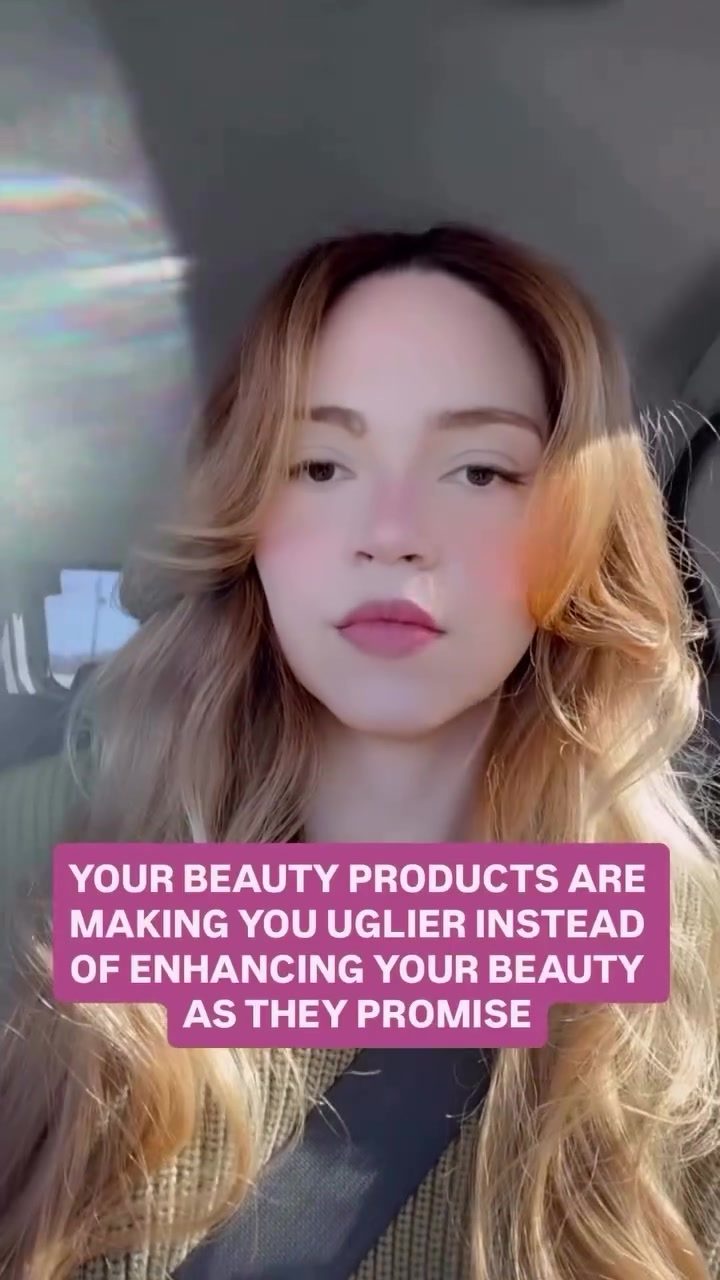
The Hidden Truth About Beauty Products and Hormone Health
Beauty products promise to enhance our natural beauty, but the reality is far from what we are told. The industry is riddled with chemicals that can be detrimental to our health, especially our hormone balance. Let's dive into the harsh truths about the products we use daily and how they might be affecting us more than we realize.
Why This Matters
Beauty products are a staple in many daily routines. From skincare to makeup, we apply a variety of products with the hope of achieving healthier, more radiant skin and hair. However, the ingredients in these products often go unchecked, leading to unwanted side effects. Understanding the impact of these chemicals is crucial for making informed decisions about what we put on our bodies.
The Truth About Beauty Product Ingredients
Many beauty products contain harmful chemicals derived from petroleum. These include preservatives, silicones, synthetic fragrances, and sulfates, among others. Imagine taking a shower with gasoline—a stark comparison to illustrate the potential harm. However, the reality is a bit more nuanced and far more concerning. These chemicals can act as endocrine disruptors, mimicking estrogen in the body. This mimicry can lead to a cascade of hormonal imbalances, as the body tries to compensate for the perceived excess of estrogen. This disruption not only affects estrogen production but also deregulates other hormones, leading to a host of health issues.
The Impact on Hormone Health
Endocrine disruptors in beauty products can have profound effects on hormone health. These chemicals can mimic estrogen, signaling the body to stop producing natural estrogen and disrupting the balance of other hormones. This hormonal chaos can lead to various issues, including hair loss, skin problems, and even infertility. The industry often capitalizes on these problems, selling more products to "fix" the issues they originally created. This cycle can be detrimental, leaving users in a never-ending loop of product application and dissatisfaction.
The Industry's Role
The beauty industry thrives on perpetuating the need for constant enhancement. By creating products that cause problems, they ensure a steady demand for "solutions." For instance, if a shampoo causes hair loss, the industry will offer a conditioner or serum to combat it, perpetuating a cycle of dependency. This strategy not only depletes consumers' resources but also compromises their health, making them reliant on a never-ending routine of products.
Practical Tips for Healthier Beauty Choices
Read Labels Carefully
Becoming a savvy consumer starts with reading product labels. Look for ingredients like parabens, phthalates, and synthetic fragrances, which are common endocrine disruptors. Opt for products with natural, recognizable ingredients.
Seek Professional Advice
Consulting a dermatologist or a healthcare provider can provide valuable insights into which products are safe and effective for your skin and hair. They can offer personalized recommendations based on your specific needs and concerns.
Opt for Natural Alternatives
Explore natural and organic beauty products. These often contain fewer harmful chemicals and are gentler on the skin. Look for certifications and seals of approval from reputable organizations that verify the natural and organic claims.
Reduce Your Product Routine
Simplifying your beauty routine can reduce exposure to harmful chemicals. Stick to a few high-quality products that work well for you, rather than a multitude of items that may contain harmful ingredients.
Important Takeaways
Understanding the impact of beauty products on hormone health is the first step toward making better choices. The industry is riddled with chemicals that can disrupt our hormonal balance, leading to various health issues. By being mindful of the ingredients in our products and opting for natural alternatives, we can take control of our health and enhance our natural beauty without compromising our well-being.
Conclusion
The beauty industry often promises more than it delivers, and the reality is that many of the products we use daily can be harmful to our health. By being informed and making conscious choices, we can enhance our natural beauty while protecting our hormonal balance. The key is to read labels, seek professional advice, and opt for natural alternatives. This proactive approach not only benefits our health but also empowers us to take control of our beauty routines.
Watch the Reel
Questions readers ask
What are some common hormone-disrupting chemicals found in beauty products?
Some common hormone-disrupting chemicals found in beauty products include parabens, phthalates, triclosan, and BPA. These chemicals can mimic or interfere with hormones in the body, leading to imbalances and potential health issues.
How do these chemicals affect hormone balance?
Hormone-disrupting chemicals in beauty products can interfere with the body's endocrine system, leading to hormone imbalance. This can result in a range of issues, from skin irritation and allergic reactions to more serious health concerns like reproductive problems and developmental issues.
What are some safe alternatives for hormone-friendly beauty products?
To avoid hormone-disrupting chemicals, look for products labeled as 'paraben-free,' 'phthalate-free,' and 'BPA-free.' Additionally, opt for products with natural ingredients, and consider brands that are transparent about their ingredient lists. Always research products before making a purchase.
Why is it important to be aware of the chemicals in skincare and makeup?
Being aware of the chemicals in skincare and makeup is essential for maintaining overall health and well-being. Many of these products are applied directly to the skin, which can lead to absorption of harmful chemicals into the body. Regular use of products containing these chemicals can disrupt hormone balance, leading to unexpected side effects.
Are there regulations on chemicals in beauty products?
Regulations on chemicals in beauty products vary by country. The FDA in the US has some oversight, but many chemicals are not thoroughly tested for their long-term effects. Consumer advocacy and awareness have led to some progress, but it's crucial for individuals to be proactive in checking ingredient lists and advocating for stricter regulations.
How can I check if a beauty product contains harmful chemicals?
To check if a beauty product contains harmful chemicals, look for ingredient lists on the product packaging or the brand's website. You can also use online resources and apps that provide information on the safety of beauty product ingredients. Key words to look for on packaging include 'paraben-free', 'phthalate-free', 'BPA-free', or 'certified organic'.
What are the signs of a possible reaction to chemicals in beauty products?
Signs of a reaction to chemicals in beauty products can include skin irritation, redness, itching, or burning sensations. More severe reactions may involve allergic reactions, hormonal imbalances, or even systemic health issues. If you experience any of these symptoms, discontinue use of the product and consult a healthcare professional.
Related deep dives
Similar reads based on topic and creator.

Recent articles
Fresh deep dives from the latest Reels we unpacked.




Comments
Be the first to comment.