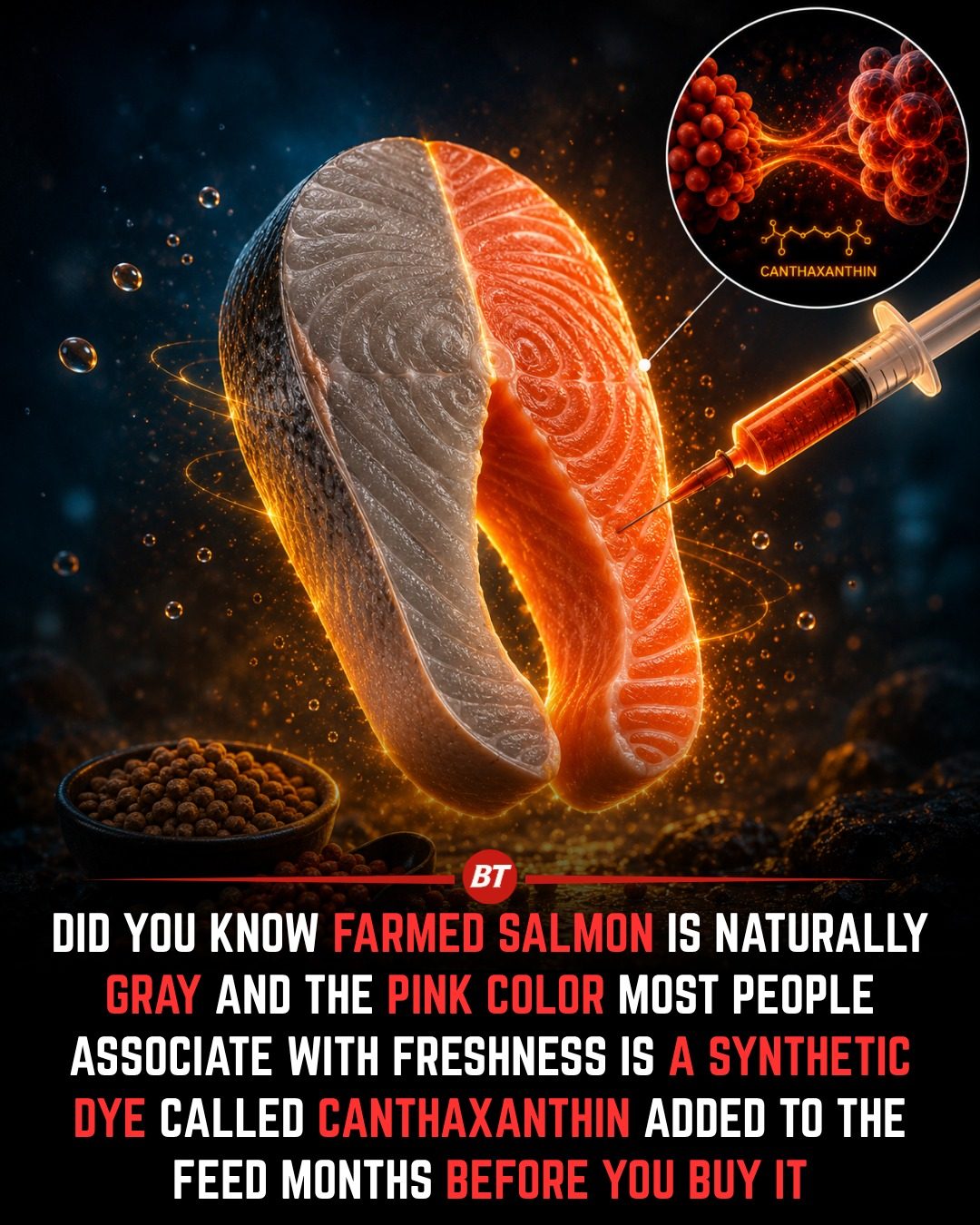
The Truth About Farmed Salmon's Color
Farmed salmon is widely known for its vibrant pink hue, but few people realize that this color is not natural. Without the right pigments in their diet, farmed salmon flesh would be a pale gray or off-white, quite different from the vibrant hue of wild salmon. This difference is due to the natural diets and feeding practices of wild and farmed salmon.
Why This Matters
Understanding the origin of farmed salmon's color is more than just a curiosity. It touches on broader issues of food production, consumer expectations, and the science behind aquaculture. The pink color of farmed salmon is not a natural byproduct but a result of deliberate additives in their feed. This knowledge can influence consumer choices, especially for those who prioritize natural ingredients and environmentally sustainable practices.
The Science Behind the Color
Natural Pigments in Wild Salmon
Wild salmon obtain their characteristic pink color from their diet, which includes krill, shrimp, and other tiny crustaceans. These creatures are rich in astaxanthin, a powerful antioxidant carotenoid. Astaxanthin is not only responsible for the vibrant color but also provides significant health benefits, including supporting the immune system and reducing inflammation.
Pigments in Farmed Salmon Feed
Farmed salmon, on the other hand, do not have access to the same natural diet. To achieve the pink color that consumers expect, producers add astaxanthin—and in some countries, limited amounts of canthaxanthin—to the feed. These pigments are incorporated into the feed months before the salmon are harvested, ensuring that the fish develop the desired color.
The Role of Astaxanthin and Canthaxanthin
Astaxanthin and canthaxanthin are carotenoid pigments that play a crucial role in the health and appearance of farmed salmon. Astaxanthin, in particular, is a natural compound found throughout the marine food chain. It acts as an antioxidant, supporting the normal growth and health of the fish. The European Food Safety Authority (EFSA) and the U.S. Food and Drug Administration (FDA) have approved specific carotenoid pigments for use in salmon feed after evaluating their safety. The final color of the salmon depends on the type and amount of pigment used during farming.
Practical Tips for Buying Salmon
Checking the Label
When purchasing salmon, it's essential to check the label to determine whether it is wild or farmed. This distinction can help you make an informed decision based on your nutritional, environmental, and budget preferences. Wild salmon generally has a more natural and varied diet, which can translate to a richer nutritional profile. Farmed salmon, while often more affordable, benefits from added pigments to meet consumer expectations.
Understanding Color Variations
Remember that the pink color of farmed salmon does not necessarily indicate freshness or quality. The color is a result of the pigments added to the feed, not the freshness of the fish. Therefore, look for other indicators of quality, such as the flesh's texture, smell, and firmness.
Considering Sustainability
Consumers interested in sustainable seafood practices should research the sourcing and farming methods of the salmon they purchase. Some farmed salmon operations prioritize environmentally friendly practices, which can be a significant factor in your decision-making process. Supporting sustainable practices can help ensure the long-term health of our oceans and marine life.
Important Takeaways
- Farmed salmon's pink color is not natural: Without added pigments, farmed salmon would be gray or off-white.
- Wild salmon get their color from diet: Astaxanthin in krill and shrimp gives wild salmon their vibrant hue and health benefits.
- Astaxanthin and canthaxanthin are added to farmed salmon feed: These pigments are approved for use in salmon feed and are incorporated months before harvest.
- Color does not indicate freshness: The pink color of farmed salmon is a result of added pigments, not an indicator of freshness.
- Check the label and consider sustainability: When buying salmon, look for clear labels and consider the environmental impact of your purchase.
Conclusion
The next time you buy salmon, remember that the pink color alone does not tell you whether it is wild or farmed. By understanding the science behind the color and taking a closer look at labels, you can make more informed choices that align with your preferences and values. Whether you choose wild or farmed salmon, being aware of the production methods can enhance your appreciation for this versatile and nutritious fish.
Watch the Reel
Questions readers ask
How does farmed salmon get its pink color?
Farmed salmon gets its pink color from pigments like astaxanthin and canthaxanthin, which are added to their feed. These carotenoid pigments are necessary because the typical diet of farmed salmon lacks the natural compounds that give wild salmon its vibrant hue.
What color would farmed salmon be without added pigments?
Without the addition of pigments like astaxanthin, farmed salmon would appear pale gray or off-white. This is due to the absence of natural color-enhancing compounds in their feed, unlike wild salmon that consume a diet rich in these pigments.
What is the difference between wild and farmed salmon diets?
Wild salmon feed on a diet rich in small crustaceans and other organisms that contain natural pigments, such as astaxanthin. Farmed salmon, however, are typically fed a diet that lacks these natural color enhancers, which is why pigments are added to their feed.
Why is the color of farmed salmon important to consumers?
The pink color of farmed salmon can influence consumer choices, as it is often associated with freshness and quality. Understanding that this color is enhanced by additives can help consumers make more informed decisions when purchasing salmon.
Are there any other pigments used in farmed salmon feed besides astaxanthin?
Yes, besides astaxanthin, canthaxanthin is another pigment used in farmed salmon feed. Both astaxanthin and canthaxanthin are carotenoid pigments that contribute to the vibrant pink color of farmed salmon.
Does the pink color of farmed salmon indicate its freshness?
The pink color of farmed salmon does not necessarily indicate its freshness. While the color is added through pigments, the freshness of the salmon is determined by factors such as storage conditions, handling, and the time since harvesting.
Can consumers find salmon with a natural color?
Yes, many consumers can find salmon with a more natural color by seeking out wild-caught salmon. Wild salmon obtain their vibrant pink hue from their natural diet, which includes pigment-rich organisms, unlike farmed salmon that rely on added pigments in their feed.
Related deep dives
Similar reads based on topic and creator.




Recent articles
Fresh deep dives from the latest Reels we unpacked.




Comments
Be the first to comment.