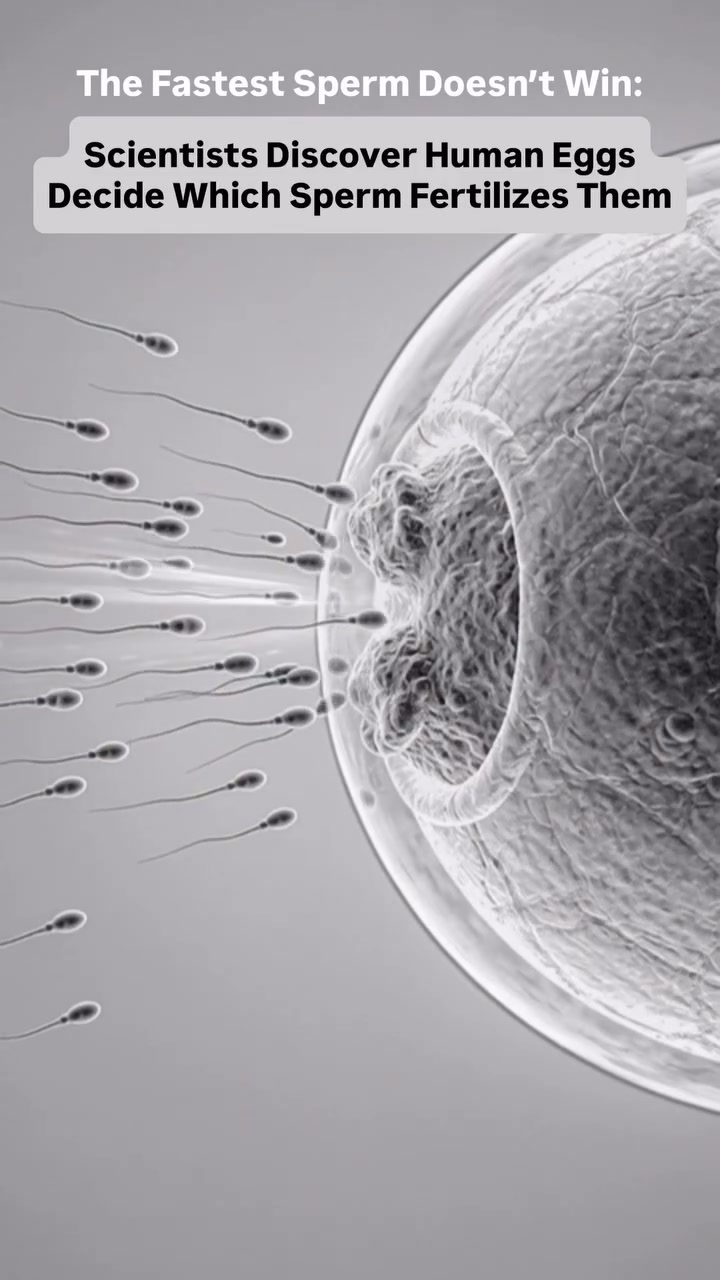
Human Egg Fertilization
For decades, the conventional wisdom held that fertilization was a straightforward race: the fastest sperm reached the egg first and won. However, recent scientific research has revealed a far more intricate process. Human eggs are not passive participants waiting for the swiftest sperm. Instead, they actively engage in the fertilization process, influencing which sperm ultimately fertilizes them.
Context / Why This Matters
Understanding the nuances of human fertilization is crucial for several reasons. It can enhance our comprehension of reproductive health, assist in addressing infertility issues, and provide deeper insights into the biological mechanisms at play. This knowledge can also inform advancements in assisted reproductive technologies, potentially improving outcomes for individuals and couples seeking fertility treatments.
Main Discussion
The Traditional View of Fertilization
Historically, the process of fertilization was thought to be a race to the egg, where the swiftest sperm had the highest chance of success. This simplistic view overlooked the complex biochemical interactions involved.
Modern Research on Egg-Sperm Interactions
Recent studies have uncovered that the egg is far from a passive observer. Chemicals released by the egg and its surrounding follicular fluid play a critical role in attracting specific sperm. This process, known as cryptic female choice, involves complex biochemical signals that draw certain sperm more strongly than others.
Biochemical Signals and Cryptic Female Choice
Cryptic female choice refers to the mechanisms by which female reproductive cells selectively influence which sperm will fertilize them. In the case of human eggs, this process involves the release of chemical signals that attract specific sperm cells. Different women produce different chemical signals, which can influence which sperm has a higher probability of fertilization. This phenomenon contributes to the overall success of fertilization and may also explain some cases of unexplained infertility.
Implications for Reproductive Health
These findings have significant implications for reproductive health. By understanding the biochemical signals involved in fertilization, researchers can gain insights into potential causes of infertility. This knowledge can lead to the development of new diagnostic tools and treatments for individuals struggling with conception.
Influence on Assisted Reproductive Technologies
The discovery that eggs actively participate in the fertilization process can also inform and improve assisted reproductive technologies (ART). Techniques such as in vitro fertilization (IVF) may benefit from a deeper understanding of the biochemical interactions between eggs and sperm. This could lead to more successful outcomes and higher rates of fertilization in ART procedures.
Explanation of Unexplained Infertility
The interactions between eggs and sperm, as revealed by recent research, may also help explain cases of unexplained infertility. Some individuals and couples may face infertility issues despite having no apparent physical or genetic barriers to conception. Understanding the biochemical signals and the role of cryptic female choice could provide new avenues for diagnosing and addressing these unexplained cases.
Practical Tips
For those seeking to understand more about their reproductive health, here are some practical tips:
-
Consult a Reproductive Specialist: If you are experiencing difficulties in conceiving, it is essential to consult a reproductive specialist. They can provide personalized insights and recommendations based on the latest research and your specific situation.
-
Consider Genetic Testing: Genetic testing can reveal potential issues that may affect fertility. Understanding your genetic profile can provide valuable information and guide treatment options.
-
Stay Informed About Research: Keep updated on the latest research in reproductive health. Scientific advancements are continually providing new insights and potentially more effective treatments.
-
Maintain a Healthy Lifestyle: A healthy lifestyle, including a balanced diet, regular exercise, and avoidance of harmful substances, can significantly impact fertility. Taking care of your overall health is crucial for reproductive well-being.
-
Explore Assisted Reproductive Technologies: If natural conception is challenging, exploring assisted reproductive technologies (ART) such as IVF can provide alternative pathways to parenthood. Speak with a healthcare provider to understand the options available to you.
Important Takeaways
- Human eggs are not passive participants in the fertilization process. They actively influence which sperm will fertilize them.
- Biochemical signals released by the egg and its surrounding follicular fluid play a crucial role in attracting specific sperm.
- Cryptic female choice involves complex interactions that can impact the success of fertilization.
- These findings have implications for addressing infertility and improving assisted reproductive technologies.
- Understanding these mechanisms can help explain some cases of unexplained infertility and inform the development of new diagnostic tools and treatments.
Conclusion
The process of human fertilization is far more complex and fascinating than a simple race to the egg. Eggs actively participate in the fertilization process through biochemical signals, influencing which sperm will fertilize them. This discovery challenges traditional views and opens new avenues for understanding and addressing reproductive health issues. By staying informed and consulting with specialists, individuals and couples can better navigate the complexities of fertility and explore the latest advancements in reproductive technologies.
Watch the Reel
Questions readers ask
How do eggs actively participate in the fertilization process?
Eggs use biochemical signals to attract and select sperm. This process, known as cryptic female choice, allows eggs to influence which sperm will ultimately fertilize them. It's not just about speed; the egg chooses based on various factors, challenging the traditional view of fertilization.
What is cryptic female choice, and how does it relate to human fertilization?
Cryptic female choice refers to the mechanisms by which females influence which sperm fertilizes their eggs. In the context of human reproduction, it means that eggs actively select the best sperm, using biochemical signals and interactions to guide this process, rather than passively waiting for the fastest sperm.
What role does follicular fluid play in the sperm selection process?
Follicular fluid, the liquid that surrounds the egg, plays a crucial role. It contains various biochemical signals that help the egg communicate with sperm, guiding the selection process to ensure the best sperm is chosen for fertilization.
Why is the egg selection process important for understanding human reproduction?
Understanding how eggs select sperm provides deeper insights into the biological mechanisms of human reproduction. This knowledge can help address infertility issues, improve reproductive health, and inform advancements in assisted reproductive technologies.
What does the latest research tell us about the traditional view of fertilization being a race to the egg?
Recent studies challenge the traditional view, revealing that fertilization is a more complex process. Rather than a simple race to the egg, it involves intricate interactions where the egg actively selects the best sperm, making it more than just a passive participant.
What are some factors that influence how eggs choose the best sperm?
Eggs choose the best sperm based on various factors, including the sperm's biochemical signals and interactions with the egg. Some sperm may be better at responding to the egg's signals, making them more likely to be selected.
How might understanding egg selection processes improve assisted reproductive technologies?
By understanding the intricate ways in which eggs select sperm, researchers and clinicians can develop more effective assisted reproductive technologies. This could lead to improved fertility treatments and better outcomes for those struggling with infertility.
Related deep dives
Similar reads based on topic and creator.

Recent articles
Fresh deep dives from the latest Reels we unpacked.




Comments
Be the first to comment.