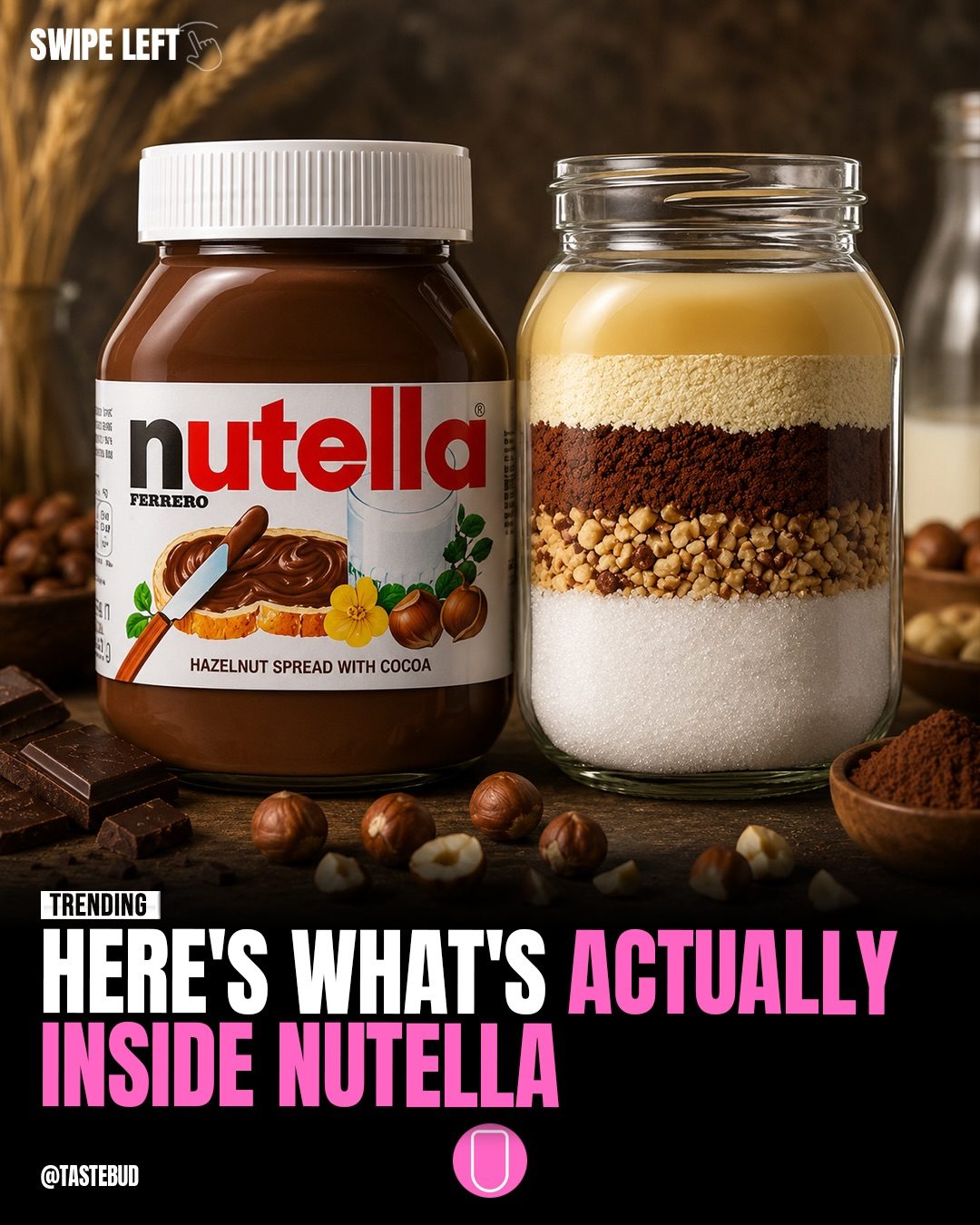
Nutella Ingredient Breakdown
Nutella, the beloved hazelnut spread, is a staple in many pantries. While it's commonly used as a breakfast spread, its ingredient list reveals more about its composition and caloric content. This breakdown aims to provide a clearer understanding of what's inside a jar of Nutella.
Context / Why this matters
Understanding the ingredients in Nutella can help you make more informed decisions about its role in your diet. Whether you enjoy it on toast, in baking, or straight from the jar, knowing the components can help you better manage your nutritional choices. This breakdown will focus on the key ingredients and their proportions, giving you a clearer picture of what you're consuming.
Key Ingredients Explained
Sugar: Nutella contains a significant amount of sugar, which contributes to its sweet taste. Sugar is the primary ingredient, making up a large portion of the spread. This high sugar content is one reason why Nutella is more of a dessert than a breakfast food.
Palm Oil: The second main ingredient is palm oil, which provides the smooth and creamy texture that Nutella is known for. Palm oil helps to bind the ingredients together and gives the spread its characteristic consistency. However, it's also a source of saturated fats, which can be a concern for those watching their fat intake.
Hazelnuts: Hazelnuts are a key flavor component in Nutella. They provide the nutty taste that gets many people reaching for the jar. However, they make up a smaller portion of the spread than most people might expect.
Cocoa: Cocoa powder adds the chocolate flavor to Nutella. Like hazelnuts, it contributes to the overall taste but is present in a smaller amount compared to sugar and palm oil.
Skim Milk: This ingredient adds a creamy texture and a slight milky flavor. It also contributes to the spread's nutrient profile, as milk provides proteins and minerals.
Emulsifiers and Flavouring: These are added in small amounts to enhance the spread's texture and taste. Emulsifiers help keep the ingredients well-mixed, while flavorings enhance the overall taste.
Main discussion
Nutritional Breakdown
The nutritional content of Nutella reflects its high sugar and fat content. A single serving (around 2 tablespoons) contains approximately 200 calories, with about 11 grams of fat and 22 grams of sugar. This is why Nutella is often seen as a treat rather than a daily breakfast staple — it's more comparable to a dessert in terms of nutritional value.
Comparing Nutella to Other Spreads
When comparing Nutella to other spreads, it's important to note the differences in ingredients and nutritional content. Many peanut butter brands, for example, are lower in sugar and higher in protein. However, Nutella's unique combination of sweetness and creaminess sets it apart, making it a favorite among those who enjoy a richer, sweeter spread.
About the Brand
Nutella is produced by the Italian company Ferrero, known for its chocolate and hazelnut products. The brand has a rich history dating back to 1964 when it was first introduced. Today, it's enjoyed worldwide and is often associated with indulgent breakfast options.
Practical Tips
Portion Control
Given its high sugar and calorie content, it's a good idea to practice portion control when enjoying Nutella. Opt for smaller amounts and pair it with less sugary foods to balance your meal.
Healthy Alternatives
If you're looking to reduce your sugar intake, consider exploring healthier alternatives. You might try making your own hazelnut spread at home, where you can control the amount of sugar and other ingredients. There are many recipes available that use natural sweeteners like honey or maple syrup, along with a higher proportion of hazelnuts.
Incorporating Nutella into Meals
To enjoy Nutella without overindulging, try incorporating it into balanced meals. For example, you can spread a thin layer on whole-grain toast and pair it with fresh fruit or a protein source like Greek yogurt. This way, you can savor the taste of Nutella while maintaining a healthier diet.
Important Takeaways
Nutella is a delicious spread with a unique flavor profile, but it's high in sugar and calories. By understanding its ingredients and nutritional content, you can make informed decisions about how to enjoy it as part of a balanced diet. Whether you're spreading it on toast or using it in baking, a little goes a long way. Opting for smaller portions and pairing it with healthier foods can help you indulge in Nutella responsibly.
Conclusion
Nutella is more than just a spread; it's a beloved treat with a rich, creamy texture and a distinctive hazelnut and cocoa flavor. By understanding its key ingredients and nutritional profile, you can better incorporate it into your diet. Whether you enjoy it as a breakfast spread, a dessert, or an ingredient in your favorite recipes, Nutella offers a delightful, indulgent experience. Just remember to enjoy it in moderation for the best results.
Watch the Reel
Questions readers ask
What are the main ingredients in Nutella?
The primary ingredients in Nutella are sugar and palm oil. Other notable ingredients include hazelnuts, cocoa, skimmed milk powder, and soy lecithin, which acts as an emulsifier. The exact proportions of these ingredients can vary.
Why is palm oil used in Nutella?
Palm oil is used in Nutella to achieve a smooth and creamy texture. It also helps to extend the shelf life of the product. However, it is important to note that palm oil has been a subject of debate due to concerns about its environmental impact.
How much sugar is in Nutella?
Sugar is the first ingredient listed in Nutella, indicating it is present in a high amount. One tablespoon of Nutella contains about 11 grams of sugar, which is roughly 2.7 teaspoons. This is a significant portion of the daily recommended sugar intake for adults, which is 25 grams.
Does Nutella contain milk?
Yes, Nutella contains skimmed milk powder. This means it is not suitable for those with lactose intolerance or milk allergies. Always check the label for the most accurate and up-to-date information.
Is there a significant amount of cocoa in Nutella?
Nutella contains cocoa, but it is not the primary ingredient. The amount of cocoa is relatively low compared to other ingredients like sugar and palm oil. Therefore, it may not provide the same chocolatey flavor or antioxidant benefits as cocoa-based products with a higher cocoa content.
What is the role of hazelnuts in Nutella?
Hazelnuts are a key ingredient in Nutella, contributing to its distinctive flavor. However, they are not the predominant ingredient. The amount of hazelnuts in Nutella is significantly less than the amount of sugar and palm oil, so it's not as beneficial for those seeking a nut-based product.
Is Nutella a healthy choice?
Nutella is a high-calorie, high-sugar food that should be consumed in moderation. It is not a substitute for a balanced diet. While it contains some beneficial nutrients like hazelnuts and a small amount of cocoa, the high sugar and fat content make it a treat rather than a staple in a healthy diet.
Related deep dives
Similar reads based on topic and creator.



Recent articles
Fresh deep dives from the latest Reels we unpacked.




Comments
Be the first to comment.