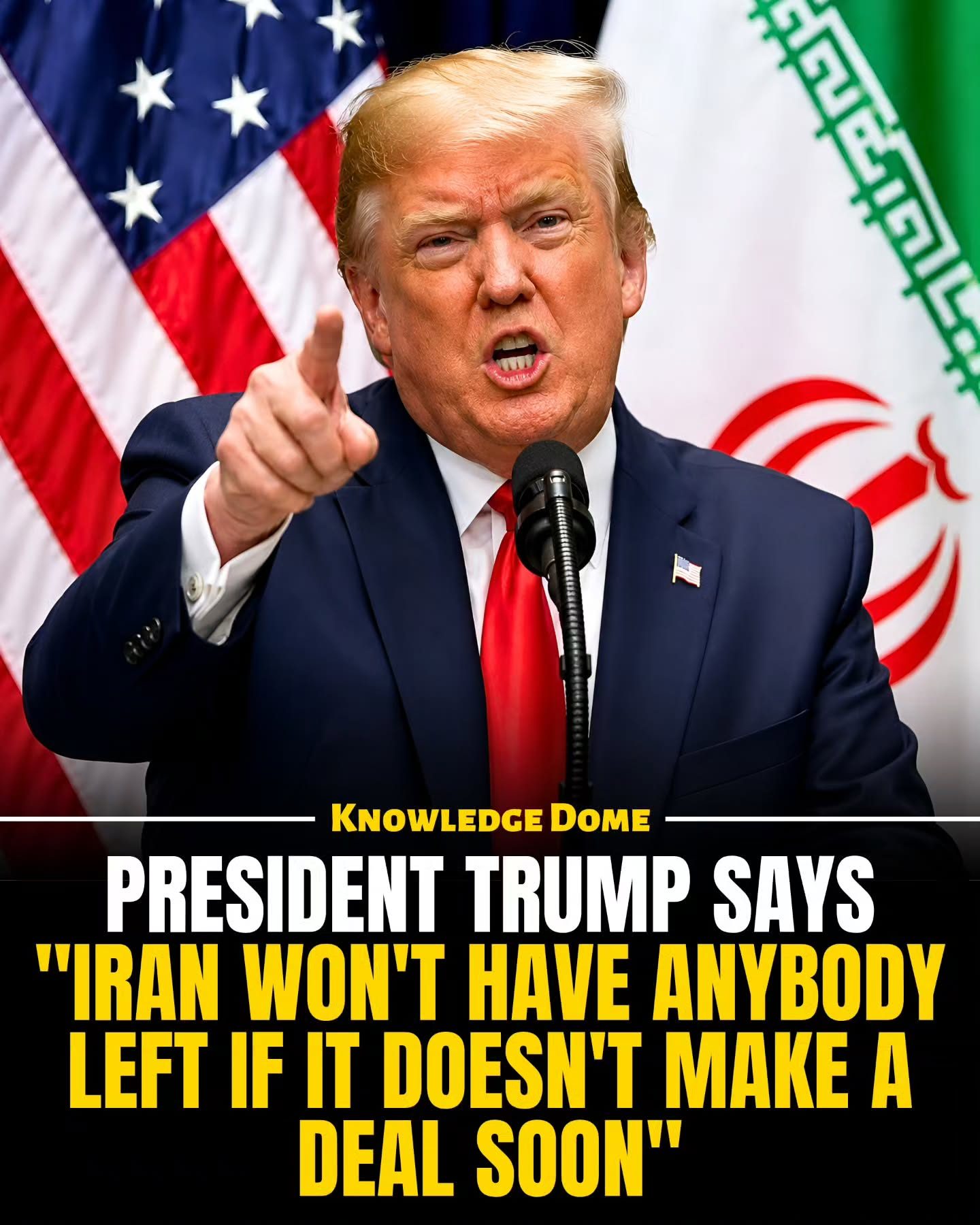
The Escalating Tensions Between the United States and Iran
The recent escalation in tensions between the United States and Iran has brought more attention to the already complex geopolitical situation. President Donald Trump has issued a stern warning to Iran, emphasizing the urgent need for a diplomatic resolution to prevent further serious consequences. The context of these warnings is critical to understanding the current state of affairs.
Why This Matters
The tensions between the United States and Iran are not new, but the recent developments have significantly raised the stakes. The geopolitical implications of a potential conflict or escalation in the region are far-reaching, affecting global oil markets, regional stability, and international relations. Understanding the dynamics of this situation is crucial for anyone interested in international affairs, diplomacy, and the broader implications of geopolitical conflicts.
Historical Context
The tensions between the United States and Iran date back several decades, rooted in a series of complex and multifaceted issues. The 1979 Iranian Revolution, which saw the overthrow of the pro-U.S. Shah Mohamed Reza Pahlavi, marked a turning point in U.S.-Iran relations. The subsequent hostage crisis, where 52 American diplomats and citizens were held hostage for 444 days, further strained relations. Over the years, disputes over Iran's nuclear program, accusations of state-sponsored terrorism, and military interventions have kept the two nations on opposing sides of the international stage.
The Nuclear Deal and Its Fallout
A significant milestone in recent years was the Joint Comprehensive Plan of Action (JCPOA), commonly known as the Iran nuclear deal. Signed in 2015, the deal aimed to limit Iran's nuclear activities in exchange for the lifting of economic sanctions. However, in 2018, the Trump administration withdrew from the JCPOA, citing concerns over Iran's compliance and the deal's long-term viability. This decision has had profound implications, leading to a series of escalations and counter-escalations between the two nations.
Main Discussion
Trump's Warning: Implications and Impact
President Trump's recent warning to Iran underscores the growing pressure on the country to return to negotiations. The stark language used in the warning—“Iran won’t have anybody left” if it doesn’t make a deal soon—highlights the gravity of the situation. This statement, made during a Fox News interview, carries significant weight given the current state of tensions. Trump's warning comes at a time when the United States has also reimposed a naval blockade on Iranian ports, adding to the pressure.
Military and Economic Pressure
The U.S. has taken several actions to escalate the pressure on Iran. The reimposition of a naval blockade on Iranian ports is a significant move, aiming to cut off key supply routes and economic lifelines. Additionally, the threat of targeting critical infrastructure, such as power plants and bridges, adds a layer of military intimidation. President Trump's emphasis on being careful about civilian casualties suggests a nuanced approach, but the underlying message is clear: the U.S. is prepared to take further military action if necessary.
Regional Tensions and the Strait of Hormuz
The Strait of Hormuz, a critical waterway for global oil supply, has become a focal point in this escalation. The brief closure of the Strait of Hormuz has added to the already volatile situation, raising fears of further disruptions to global oil supplies and potential conflicts. This move underscores the strategic importance of the region and the high stakes involved in any potential conflict.
Diplomatic Efforts and the Path Forward
Despite the escalations, there is still a path forward through diplomacy. President Trump's emphasis on the urgency of a deal suggests that the U.S. is open to a negotiated settlement. The goal is to find a diplomatic resolution that addresses concerns over Iran's nuclear program and regional activities while avoiding further military action.
Practical Tips
For those following the geopolitical situation, staying informed through reliable sources is essential. Here are some practical tips to gain a deeper understanding of the ongoing developments:
- Monitor Official Statements: Keep an eye on official statements from both the U.S. and Iranian governments. These statements often provide insights into the current state of negotiations and the potential for de-escalation.
- Follow Expert Analysis: Seek out analyses from experts in international relations and geopolitics. These experts can provide context and interpretation that goes beyond the headlines.
- Stay Updated on Global Impact: Understand how the situation affects global oil markets, trade routes, and regional stability. This broader perspective can help in comprehending the far-reaching implications of the conflict.
Important Takeaways
The current situation between the United States and Iran is fraught with complexity and potential for escalation. Key takeaways include:
- Urgency of a Deal: Both sides are under significant pressure to find a diplomatic resolution. The urgency highlighted by President Trump suggests that the window for negotiations is closing.
- Economic and Military Pressure: The U.S. has taken substantial steps to increase economic and military pressure on Iran, including the reimposition of a naval blockade and threats to target critical infrastructure.
- Regional Impact: The brief closure of the Strait of Hormuz underscores the strategic importance of the region and the potential for broader disruptions.
Conclusion
The situation between the United States and Iran is at a critical juncture. President Trump's warning to Iran highlights the urgency of finding a diplomatic solution before further escalations occur. Understanding the historical context, the current actions, and the potential implications is crucial for anyone interested in international affairs. As the world watches closely, the path forward will depend on diplomatic efforts and the willingness of both nations to find a resolution that avoids further conflict.
Watch the Reel
Questions readers ask
What prompted President Trump's recent warnings to Iran?
President Trump's warnings to Iran were prompted by escalating tensions and longstanding geopolitical issues, including the Iranian Revolution, ongoing nuclear disputes, and broader regional conflicts. These factors have created a complex backdrop that has led to Trump's calls for a diplomatic resolution.
How do the current US-Iran tensions impact global oil markets?
The escalating tensions between the US and Iran have significant implications for global oil markets. Iran is a major oil producer, and any disruption in its oil exports due to conflict or sanctions can lead to fluctuations in global oil prices and supply chain disruptions. This can, in turn, affect economies worldwide.
What is the significance of the Iranian Revolution in the context of current US-Iran tensions?
The Iranian Revolution, which took place in 1979, marked a turning point in US-Iran relations. It led to a series of events, including the US Embassy hostage crisis, and has since shaped the geopolitical landscape. Understanding this historical context is crucial for comprehending the current tensions and the complex dynamics at play.
What role does the Iran nuclear deal play in the current US-Iran conflict?
The Iran nuclear deal, formally known as the Joint Comprehensive Plan of Action (JCPOA), has been a contentious issue between the US and Iran. The US withdrew from the deal in 2018, reimposing economic sanctions, which has been a significant factor in the recent escalation of tensions, with Iran subsequently ramping up its nuclear activities.
What are the potential consequences of escalating tensions on regional stability?
Escalating tensions between the US and Iran have the potential to destabilize the Middle East region. This could lead to increased military activities, proxy wars, and further humanitarian crises, affecting neighboring countries and international interests in the region. This regional instability can also further strain international relations.
What strategies has the US employed to pressure Iran?
The US has employed a range of strategies to pressure Iran, including economic sanctions, military posturing, and diplomatic isolation. These measures aim to curb Iran's nuclear ambitions, influence its regional activities, and encourage compliance with international agreements. However, these pressures have also contributed to the escalating tensions between the two nations.
How has Trump's foreign policy influenced the current state of US-Iran relations?
Trump's foreign policy, characterized by a more aggressive stance on Iran, has significantly influenced the current state of US-Iran relations. His administration's decision to withdraw from the Iran nuclear deal and impose stringent sanctions has led to a hardening of positions on both sides, further complicating diplomatic efforts and contributing to the ongoing tensions.
Recent articles
Fresh deep dives from the latest Reels we unpacked.




Comments
Be the first to comment.