The Escalating Tensions Between the United States and Iran
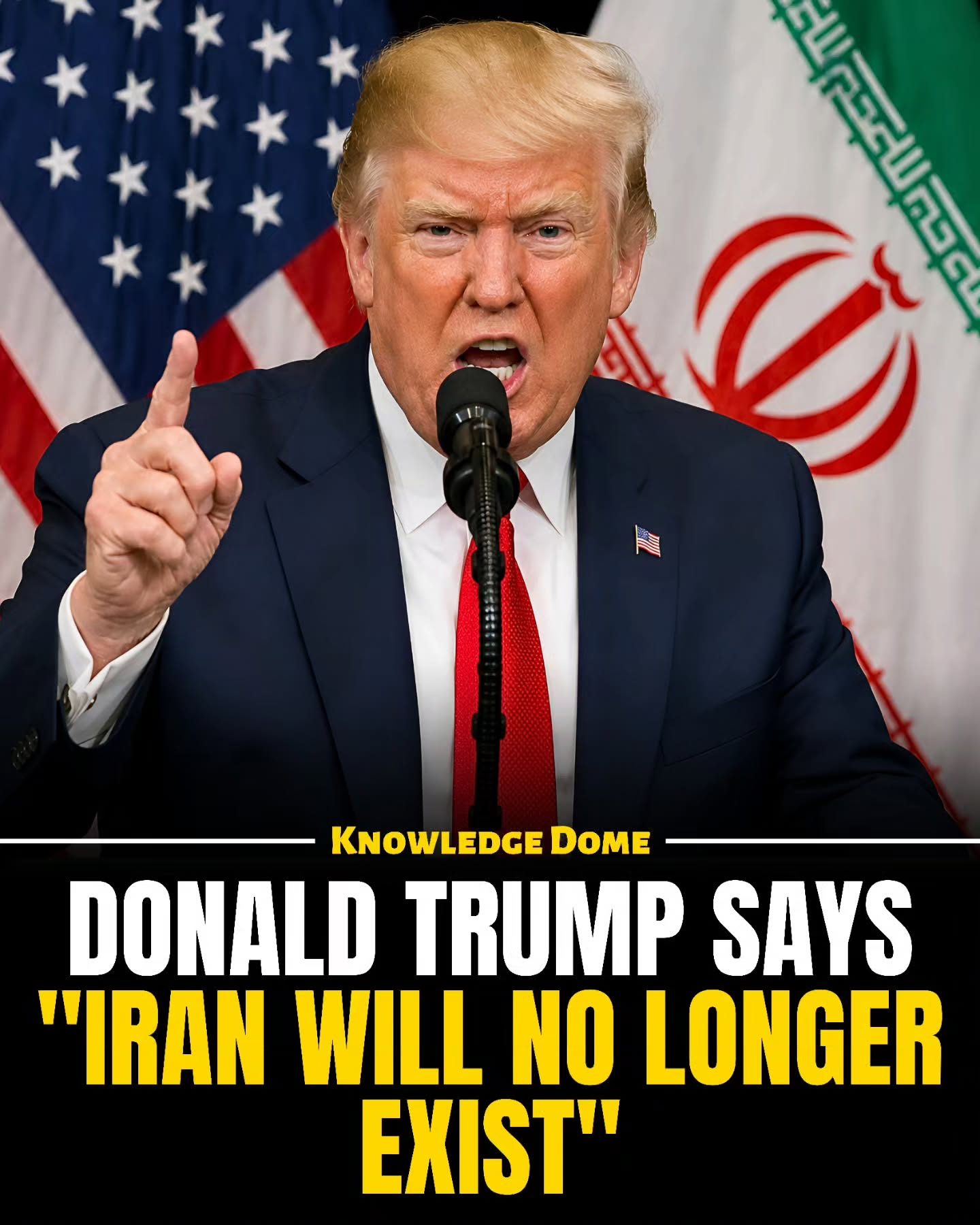
In a recent statement, Donald Trump announced that the Islamic Republic of Iran could "no longer exist" if the United States is forced to take stronger military action. This statement, made on Truth Social, underscores a rapid escalation of tensions in the Middle East, where the situation is increasingly volatile.
Context / Why this matters
The current conflict has its roots in a series of aggressive actions and retaliations. The trouble began with an attack on the Panama-flagged oil tanker M/T Kiku in the Strait of Hormuz, a crucial sea route for global oil transport. This attack, allegedly carried out by an Iranian drone, was met with a swift response from U.S. Central Command, which struck 10 Iranian military targets. These targets included drone storage sites, coastal radar stations, missile positions, air defense systems, and naval mine-laying equipment. This tit-for-tat exchange has significantly heightened the risk of a full-scale military confrontation.
The statement comes after a period of increasing tensions, where both sides have shown a reluctance to back down. Iran's Islamic Revolutionary Guard Corps has retaliated by launching missiles and drones toward U.S. facilities and bases in Kuwait and Bahrain, where American military personnel are stationed. Iranian commanders have issued stark warnings, indicating that further attacks on their infrastructure would be met with devastating responses. The situation has been further complicated by Trump's announcement that the United States and Iran would hold new peace talks in Doha, Qatar, highlighting the urgent need to halt the escalating conflict.
Main discussion
The Strait of Hormuz: A Critical Chokepoint
The Strait of Hormuz is one of the most important sea routes in the world, with a significant portion of global oil supplies passing through it. The recent attack on the M/T Kiku has underscored the strategic importance of this region and the high stakes involved. The Strait connects the Persian Gulf to the Gulf of Oman and the Arabian Sea, making it a critical artery for international trade and energy supplies. Any disruption in this route can have far-reaching economic and geopolitical consequences, affecting countries far beyond the Middle East.
The recent escalation in tensions has led to increased scrutiny of the maritime security in the region. Countries and international organizations are closely monitoring the situation, and the potential for further escalation or even a full-scale conflict remains a concern. The Strait of Hormuz has long been a flashpoint for geopolitical tensions, with various incidents and crises playing out over the years. This latest round of escalation has brought the region back to the brink, with both sides involved in a dangerous game of brinkmanship.
The Role of Drone Warfare
The role of drones in modern warfare has become increasingly prominent, and the recent conflict between the United States and Iran is no exception. The alleged Iranian drone attack on the M/T Kiku and the subsequent U.S. strikes on Iranian drone storage sites and other military targets highlight the strategic importance of drones in contemporary military operations. Drones offer a number of advantages, including the ability to conduct surveillance, reconnaissance, and targeted strikes with minimal risk to human operators.
The use of drones in this conflict has also raised important questions about the international legal framework governing their use. The United Nations and other international bodies are closely monitoring the situation, and the potential for further escalation remains a concern. The use of drones in modern warfare has also raised important ethical questions, particularly with regard to the targeting of civilian infrastructure and the potential for collateral damage.
The Path to Peace: Negotiations and Diplomacy
Despite the escalating tensions, there is still hope for a diplomatic resolution. Trump's announcement of new peace talks in Doha, Qatar, highlights the urgent need for a diplomatic solution to the crisis. The talks come after a series of failed negotiations and retaliatory actions, and there is a growing sense of urgency to find a way forward.
The proposed peace talks are a crucial step in de-escalating the conflict and preventing further bloodshed. Both sides have a lot to gain from a peaceful resolution, and the international community is closely monitoring the situation, urging both sides to engage in meaningful dialogue. The talks also come at a time of heightened economic and geopolitical uncertainty, with both sides looking to avoid further escalation and the potential for a full-scale military confrontation.
Practical tips
For those following the situation, it's essential to stay informed and be cautious in interpreting the information available. Here are some tips:
Stay Informed
Keep up-to-date with the latest developments in the region by following reliable news sources. This will help you understand the context and the implications of any new developments.
Avoid Speculation
Be wary of speculation and misinformation, which can easily spread in a situation like this. Stick to verified information from credible sources.
Understand the Background
Understanding the historical and geopolitical context of the region can help you better grasp the current situation. The Strait of Hormuz and the broader Middle East have a complex history of conflicts and tensions. Familiarizing yourself with this background can provide valuable insights.
Encourage Dialogue
Support efforts towards dialogue and diplomacy. Encourage your community to advocate for peaceful solutions and support international efforts to de-escalate the conflict.
Important takeaways
The situation between the United States and Iran is highly volatile, with both sides engaged in a dangerous game of brinkmanship. The recent attack on the M/T Kiku and the subsequent U.S. strikes on Iranian military targets have heightened tensions and brought the region to the brink of a full-scale military confrontation. The use of drones in this conflict has highlighted their strategic importance and the need for a clear international legal framework governing their use. The proposed peace talks in Doha, Qatar, offer a crucial opportunity for a diplomatic resolution to the crisis. It is essential to stay informed, avoid speculation, and support efforts towards dialogue and diplomacy.
Conclusion
The current situation in the Middle East is fraught with danger, and the potential for further escalation remains high. The recent actions and statements from both sides have underscored the need for a diplomatic solution to the crisis. As the international community closely monitors the situation, it is crucial to stay informed, support efforts towards dialogue, and advocate for a peaceful resolution to the conflict. The proposed peace talks offer a glimmer of hope in an otherwise volatile and uncertain environment.
Watch the Reel
Questions readers ask
What prompted Trump's warning about Iran's potential destruction?
Trump's warning followed a series of retaliatory strikes in the Middle East, including an attack on the M/T Kiku oil tanker in the Strait of Hormuz, which was allegedly carried out by an Iranian drone. The U.S. responded by striking 10 Iranian military targets, escalating tensions between the two nations.
What does Trump mean by 'Iran may no longer exist'?
When Trump says Iran may 'no longer exist,' he is likely referring to the potential for significant destruction or regime change in Iran if a full-scale military conflict were to occur. This would be a result of the United States taking stronger military action in response to Iranian aggression.
How has the conflict between the U.S. and Iran escalated?
The conflict has escalated through a series of retaliatory actions. It began with an attack on a U.S.-linked oil tanker, followed by U.S. strikes on Iranian military targets. This back-and-forth has heightened tensions and made the Middle East more unstable.
What is the significance of the Strait of Hormuz in this conflict?
The Strait of Hormuz is a crucial sea route for global oil transport, and an attack on a tanker in this region can significantly impact global oil supply and prices. It is a strategic location in the Middle East conflict and complicates regional stability.
What role do drone attacks play in the U.S. and Iran conflict?
Drone attacks, such as the alleged Iranian strike on the M/T Kiku, have been a key component in escalating tensions. These attacks are seen as provocative and have led to swift responses from the U.S., further fueling the conflict.
How has Trump's Middle East policy affected relations with Iran?
Trump's Middle East policy, including the withdrawal from the Iran nuclear deal and imposition of economic sanctions, has strained relations with Iran. His recent statements and warnings further heighten tensions, making the region more volatile.
Recent articles
Fresh deep dives from the latest Reels we unpacked.




Comments
Be the first to comment.