Trump's Escalating Rhetoric Toward Iran
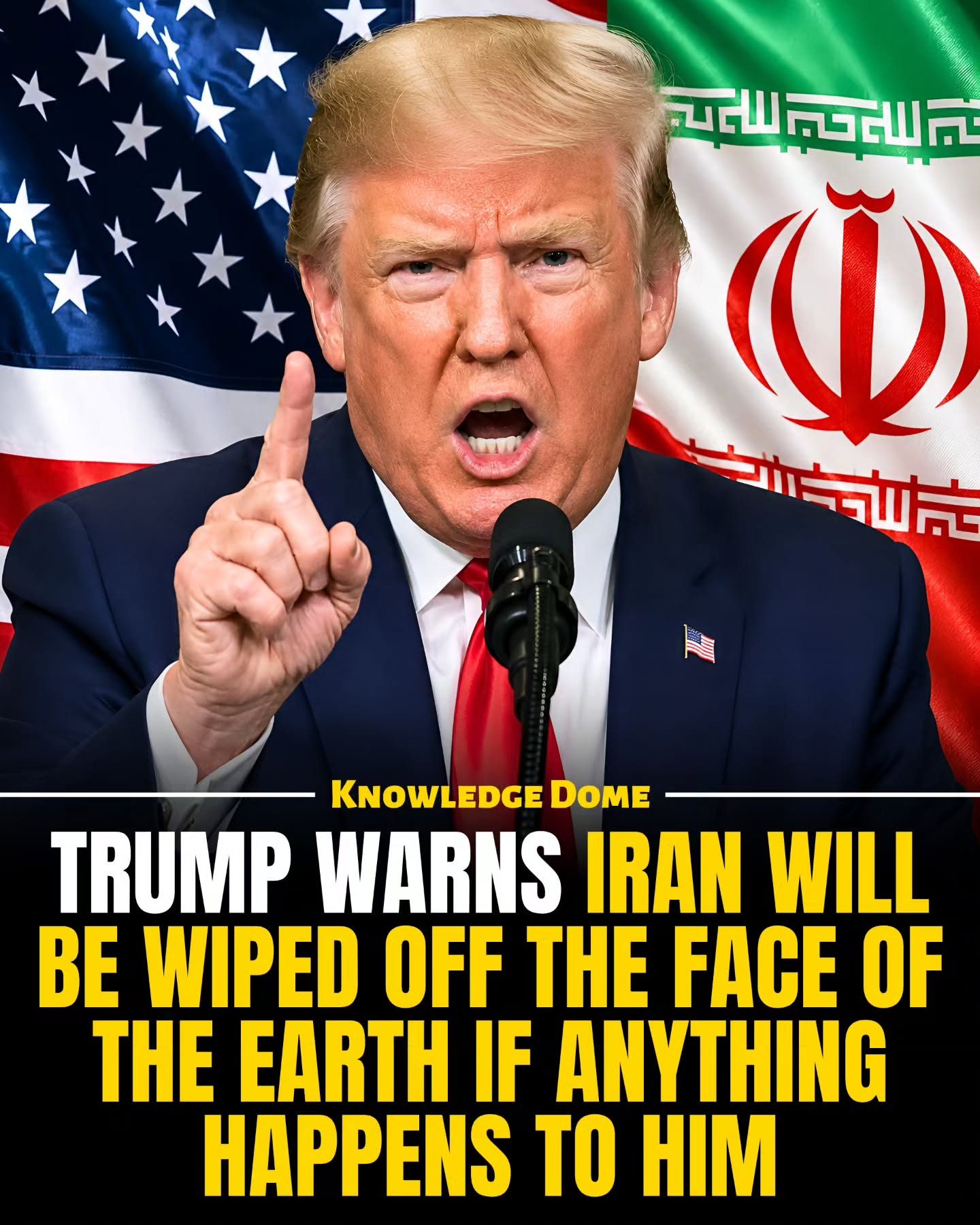
The escalating tensions between the United States and Iran have been a significant point of focus in international relations, particularly with the recent warnings issued by former President Donald Trump. Trump's strong words, which include a threat of massive retaliation if Iran were to attempt any harm against him, have intensified the geopolitical climate.
Why This Matters
The United States and Iran have a long history of strained relations, marked by periods of tension and conflict. Recent developments have pushed this rivalry to new heights, with both sides exchanging threats and engaging in military actions. Trump's warnings come at a time when the region is already on edge, with sensitive areas like the Strait of Hormuz becoming flashpoints for potential conflict.
Trump's Warnings and Iran's Response
The Initial Threat
Trump's warning was clear and unequivocal: if Iran were to attempt any harm against him, the United States would respond with overwhelming force. In his words, Iran would be “wiped off the face of the Earth.” This stark language was part of a broader message delivered during a televised interview on NewsNation, where he reiterated his firm stance against Iran.
Repeated Statements and Escalating Tensions
Trump has not been shy about repeating these warnings. In recent weeks, he has consistently emphasized his readiness to take drastic measures. This rhetoric has been part of a larger strategy to pressure Iran, particularly in relation to the nuclear deal. Trump's message to Iran is clear: make a nuclear deal or face much worse attacks. This stance reflects the deep-seated tensions between the two countries, with both sides refusing to back down.
The Context of Conflict
The Strait of Hormuz, a critical waterway for global oil trade, has become a focal point for these tensions. Iranian officials have rejected Trump's threats, calling them empty rhetoric, while the situation around the Strait continues to escalate. This area, along with other sensitive regions, remains a hotspot for potential military conflict.
The Broader Geopolitical Implications
Regional Instability
The escalating rhetoric between the U.S. and Iran has serious implications for regional stability. The Middle East is already a volatile region, with various conflicts and proxy wars ongoing. The addition of direct threats from a major global power like the United States increases the risk of a broader conflict that could draw in other countries.
Global Oil Market
The Strait of Hormuz is a vital artery for global oil trade. Any disruption in this region could have severe economic consequences, affecting oil prices and global energy markets. The potential for military strikes or other forms of conflict in this area raises concerns about supply chain disruptions and the economic stability of nations dependent on oil exports.
Nuclear Deal and Diplomacy
Trump's demand for a nuclear deal with Iran highlights the importance of diplomatic efforts in resolving conflicts. The U.S. has historically used economic sanctions and military threats to pressure Iran into negotiating. However, the effectiveness of these tactics remains a subject of debate. Some argue that a more diplomatic approach, focusing on mutual interests and compromises, could yield better results in stabilizing the region.
Practical Tips for Understanding the Situation
Stay Informed
Keeping abreast of the latest developments through reliable news sources can help in understanding the evolving dynamics between the U.S. and Iran. Staying informed about geopolitical tensions and their potential impact on global stability is crucial for anyone interested in international relations.
Analyze Statements Carefully
It's important to analyze the statements made by political leaders, especially when they involve threats of military action. Understanding the context, the motivations behind such statements, and the likely responses from the other side can provide a clearer picture of the situation.
Consider the Broader Context
Geopolitical issues are rarely isolated. Understanding the broader context, including historical relations, economic factors, and regional dynamics, can provide a more comprehensive view of the situation. This helps in predicting potential outcomes and evaluating the effectiveness of different strategies.
Important Takeaways
Trump's Threats Are Serious
Trump's warnings to Iran should not be taken lightly. They reflect a deep-seated tension and a willingness to use force if necessary. The repeated nature of these warnings underscores their importance.
Regional Tensions Are High
The situation around the Strait of Hormuz and other sensitive areas is critical. The potential for conflict in these regions has significant implications for global security and economic stability.
Diplomacy and Military Action
The use of both diplomatic and military strategies is evident in this conflict. While threats and military actions can pressure adversaries, diplomatic efforts are essential for long-term stability.
Conclusion
The escalating tensions between the United States and Iran, fueled by Trump's strong warnings, highlight the complex and volatile nature of international relations. The situation underscores the need for careful analysis, informed understanding, and strategic thinking to navigate the challenges posed by such conflicts. Staying informed and considering the broader context can help in making sense of the evolving dynamics in this critical region.
Watch the Reel
Questions readers ask
What specific threats has Donald Trump made against Iran?
Former President Donald Trump has issued strong warnings to Iran, including a threat of massive retaliation if Iran attempts any harm. This includes potential harm to him personally.
How have Trump's comments impacted US-Iran relations?
Trump's comments have escalated existing tensions between the United States and Iran, adding to the already strained diplomatic relations and increasing the likelihood of conflict.
Why is the Strait of Hormuz significant in this context?
The Strait of Hormuz is a vital waterway for global oil trade, and any conflict in this region could have severe economic implications worldwide, with both the US and Iran having a significant interest in the area.
What is the current status of the Iran nuclear deal in relation to these tensions?
The Iran nuclear deal, officially known as the Joint Comprehensive Plan of Action (JCPOA), has been a contentious issue between the US and Iran. The US withdrawal from the deal under Trump's presidency and subsequent reimposition of sanctions have further strained relations and contributed to the current tensions.
How have US sanctions on Iran affected the current situation?
The US has imposed several rounds of sanctions on Iran, targeting various sectors of the Iranian economy. These sanctions have been a point of contention and have exacerbated tensions, with Iran often responding by increasing its nuclear activities and military actions in the region.
Why is the potential for military action between the US and Iran a concern?
The potential for military action is a concern due to the possibility of a full-scale conflict that could destabilize the region and have global repercussions. This includes the risk of disruptions in oil trade and the potential for Iran to take retaliatory actions against US interests worldwide.
Recent articles
Fresh deep dives from the latest Reels we unpacked.




Comments
Be the first to comment.