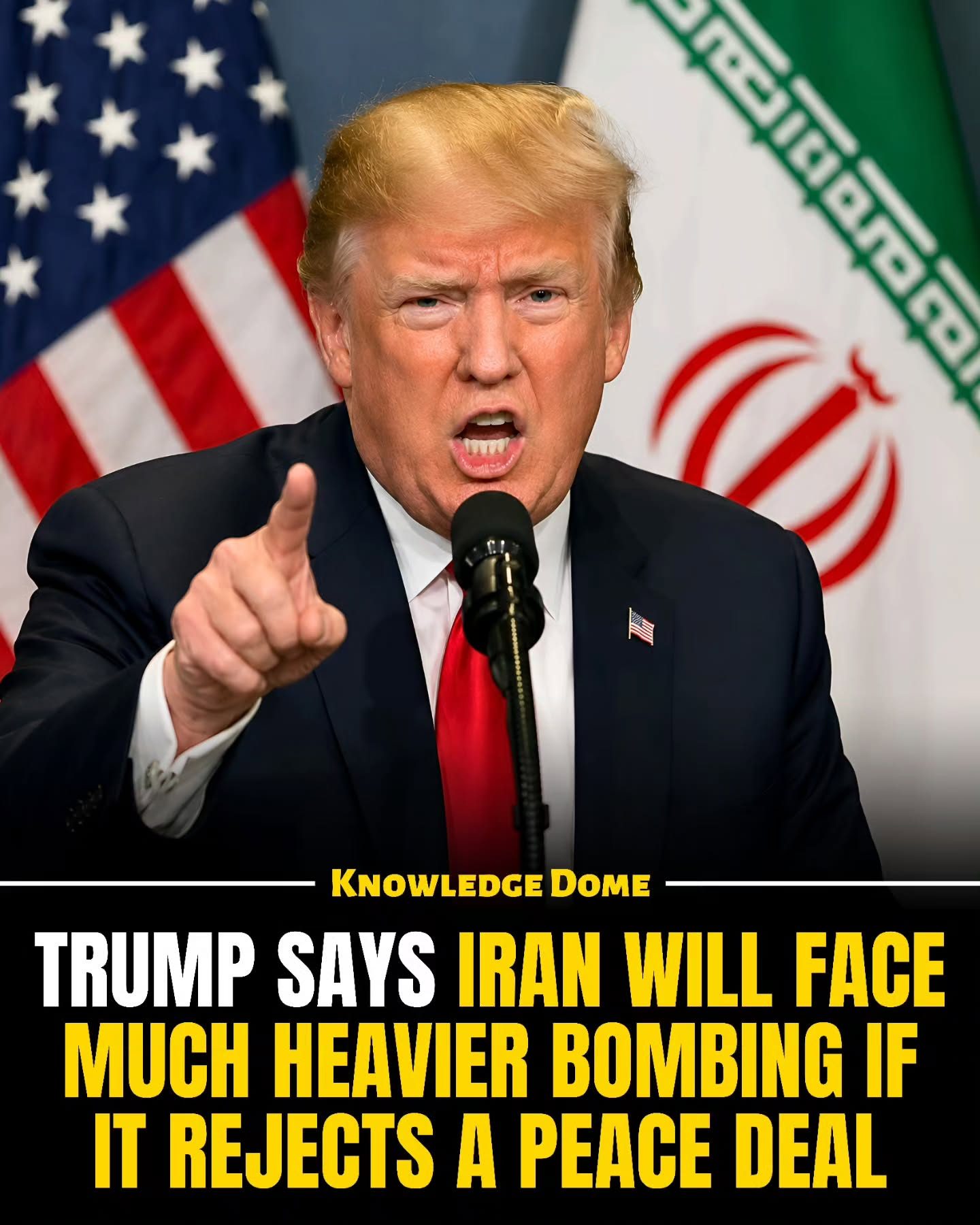
The 60-Day Interim Peace Deal Between the United States and Iran
The recent 60-day interim peace deal between the United States and Iran marks a critical moment in the ongoing tensions between these two nations. This agreement aims to prevent military action, end the U.S. naval blockade, and reopen the Strait of Hormuz. Both sides have made clear their intentions and demands, but the path to a lasting peace remains tenuous.
Context / Why This Matters
The Strait of Hormuz is a vital waterway for global oil and gas trade, and its closure or instability can have far-reaching economic consequences. The region's instability, exacerbated by recent bombings in southern Lebanon and the temporary closing of the Strait of Hormuz, underscores the urgency for a resolution. The peace deal's success is crucial for ensuring stability in the Middle East and preventing potential escalations that could draw in other global powers.
The Current Situation
The 14-Point Agreement
The 14-point agreement focuses on several key areas:
- Military De-escalation: Both nations have agreed to halt military actions, which is a significant step toward reducing the risk of further conflict.
- Naval Blockade: The deal includes the end of the U.S. naval blockade, which Iran has long seen as a form of economic warfare.
- Reopening the Strait of Hormuz: This is a critical component of the deal, as the Strait of Hormuz is a key route for oil transportation, accounting for about 30% of the world's seaborne oil shipments.
Continued Tensions
Even with the agreement in place, both sides continue to exert pressure on each other. This ongoing tension is partly due to a lack of full trust between the United States and Iran. Talks are still ongoing in Switzerland, but the fragile nature of the situation means that either side could potentially pull back from the agreement.
Iran's Demands
Iran has its own set of demands that are crucial for the success of the peace deal. These include:
- Ending Israeli Operations in Lebanon: Iran has made it clear that it wants all Israeli military operations in Lebanon to cease, viewing these operations as a threat to its own security.
- Full U.S. Withdrawal: Iran also seeks a complete pullback of U.S. forces from the region, seeing their presence as a constant source of instability.
Military Implications
Potential U.S. Retaliation
President Donald Trump has warned Iran that any rejection or violation of the peace deal could lead to significantly stronger U.S. military actions. He mentioned that the next strikes could be “twenty times harder” than previous ones and even hinted at potential targets like power plants. This warning underscores the seriousness with which the U.S. views the agreement and the potential consequences of Iran's non-compliance.
The Geopolitical Landscape
The Middle East remains a complex and volatile region, with various interests and alliances at play. The U.S. and Iran are not the only players; other countries, including Israel, Saudi Arabia, and regional powers, have their own stakes in the region's stability. The delicate balance of power and the ongoing tensions mean that any escalation could have widespread repercussions.
The Role of Power Plants
Trump's mention of power plants as potential targets highlights the strategic importance of such infrastructure in modern warfare. Power plants are critical for a country's economic and military capabilities, making them attractive targets in any conflict. The threat to power plants underscores the potential for a broader and more devastating conflict if the agreement fails.
Practical Tips for Staying Informed
Keeping abreast of the developments in the Middle East is crucial for understanding the geopolitical landscape. Here are some tips for staying informed:
- Follow Reliable News Sources: Stick to trusted news outlets for accurate and timely information.
- Monitor Official Statements: Pay attention to statements from government officials and diplomats, as these can provide insights into the evolving situation.
- Stay Informed About Regional Events: Understand the broader context by following events in the region, such as developments in Lebanon and other hotspots.
Important Takeaways
The 60-day interim peace deal between the United States and Iran is a delicate and complex agreement that aims to prevent military action and ensure the stability of a critical global trade route. The deal's success hinges on several factors, including military de-escalation, the end of the U.S. naval blockade, and the reopening of the Strait of Hormuz. However, continued tensions and mistrust between the two nations, as well as ongoing talks in Switzerland, highlight the fragility of the situation. Iran's demands, including the cessation of Israeli operations in Lebanon and a full U.S. withdrawal, add further complexity to the negotiations. The potential for stronger U.S. military actions in the event of Iran's non-compliance underscores the high stakes involved.
Conclusion
The 60-day interim peace deal between the United States and Iran marks a critical juncture in the longstanding tensions between these two nations. The agreement aims to prevent military action, end the U.S. naval blockade, and reopen the Strait of Hormuz, all of which are essential for regional and global stability. However, the fragile nature of the situation, combined with ongoing tensions and mistrust, means that the path to a lasting peace remains uncertain. Keeping informed about the developments in the region and understanding the implications of the peace deal is crucial for navigating the complex geopolitical landscape.
Watch the Reel
Questions readers ask
What is the significance of the Strait of Hormuz in the context of U.S.-Iran relations?
The Strait of Hormuz is a critical waterway for global oil and gas trade. Its closure or instability can lead to severe economic repercussions. The recent peace deal aims to reopen it, highlighting its importance in reducing tensions between the U.S. and Iran.
What are the key objectives of the 60-day interim peace deal between the U.S. and Iran?
The primary goals of the deal are to prevent military actions, lift the U.S. naval blockade, and reopen the Strait of Hormuz. Both nations have stated their commitments, but the path to a lasting peace is uncertain.
How has the recent peace deal affected the tensions between the U.S. and Iran?
The peace deal represents a step towards de-escalation, but ongoing tensions and mistrust pose challenges to its long-term success. The agreement aims to halt military actions, which could potentially ease the conflict if successfully implemented.
What role does the Iran Nuclear Deal play in the current U.S.-Iran conflict?
The Iran Nuclear Deal is a significant factor in the background of current tensions. While the recent peace deal does not directly address the nuclear agreement, it serves as a potential stepping stone towards resolving broader issues between the two countries.
What are the potential consequences if the peace deal collapses?
If the peace deal collapses, it could lead to escalated military pressure from both sides. This might result in increased military actions, further destabilization of the region, and potential disruptions in global trade routes, particularly the Strait of Hormuz.
What is Donald Trump's policy towards Iran and how does it influence the current conflict?
Donald Trump’s policy towards Iran has been characterized by a hardline approach, including imposing sanctions and tightening the U.S. naval blockade. This policy has contributed to the escalation of tensions and the need for the recent peace deal to mitigate further conflict.
What are the implications of the temporary closing of the Strait of Hormuz on global trade?
The temporary closure of the Strait of Hormuz underscores the urgency for a resolution to the U.S.-Iran conflict, as it highlights the economic repercussions of regional instability. The reopening of this crucial trade route is a key objective of the peace deal, aiming to stabilize global oil and gas trade.
Recent articles
Fresh deep dives from the latest Reels we unpacked.




Comments
Be the first to comment.