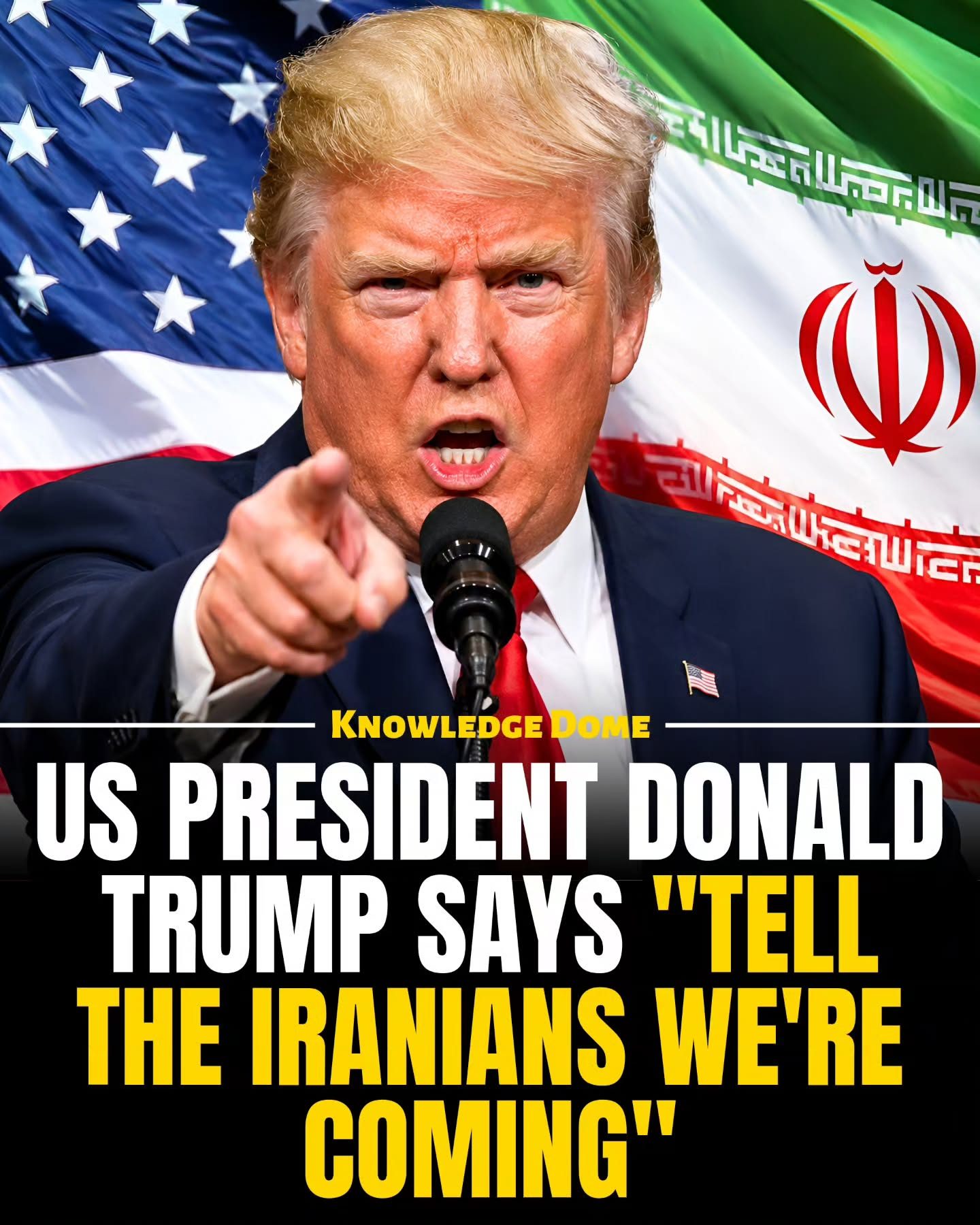
The Escalating Tensions Between the United States and Iran
The recent escalation in tensions between the United States and Iran has brought the world's attention to a critical geopolitical juncture. US President Donald Trump's ominous message, "Tell the Iranians we’re coming," has sent shockwaves through global politics, signaling a potential escalation in an already volatile conflict.
Context / Why This Matters
The warning from Trump came amid rising tensions and reports of direct military actions. These actions include airstrikes on Iranian nuclear sites, which were reportedly conducted by joint US and Israeli forces. The targeted sites—Fordow, Natanz, and Esfahan—are some of the most heavily guarded in Iran, making any strike on these sites a significant and dangerous move.
These events highlight the growing military readiness and willingness to act preemptively from both sides, particularly in response to perceived threats. The immediate impact of this escalation is felt most acutely in the Middle East, but its repercussions could extend far beyond the region.
Main Discussion
Rising Military Threats
The US and Iranian military actions have been a direct response to a series of escalating threats and fears of retaliation. Trump's warning was not just a show of force but also a calculated message meant to signal US readiness to take immediate action if necessary. This preemptive move is seen as a response to days of mounting tensions, with both sides raising the stakes in their confrontations.
Strategic Military Sites
The targeted sites, Fordow, Natanz, and Esfahan, are nuclear facilities deeply buried and heavily protected. These sites are crucial for Iran's nuclear program, and their potential destruction or disruption would represent a significant setback for Iran's nuclear capabilities. The use of heavy weapons against these sites underscores the seriousness and intensity of the situation.
Global Repercussions
These military actions go beyond regional concerns and could affect world energy supply. The strategic use of military power may impact shipping routes, which in turn could destabilize the global economy and energy markets. Oil prices could fluctuate, and global supply chains could face disruptions, causing ripple effects in various sectors around the world.
Practical Tips
Stay Informed
Given the geopolitical significance of this conflict, staying informed about the latest developments is crucial. Follow reliable news sources and monitor statements from key political figures in both the US and Iran.
Understand the Stakes
Recognizing the broader implications of these military actions is important. Understand that while the immediate impact is regional, the repercussions on global energy markets and geopolitical stability are significant.
Important Takeaways
Preemptive Actions
Preemptive military actions by the US and Israel against Iran's nuclear sites indicate a willingness to take bold steps in response to threats. The decision to act swiftly and decisively shows the heightened tensions and the seriousness of the situation.
Global Consequences
The conflict between the US and Iran has the potential to destabilize global energy markets, affecting everyday life and economic stability in many parts of the world.
Strategic Locations
The targeted sites—Fordow, Natanz, and Esfahan—are critical for Iran's nuclear capabilities. Any action taken against these sites could significantly impact Iran's strategic plans and capabilities.
Military Readiness
Both the US and Iranian forces are on high alert, indicating a state of heightened readiness and a willingness to engage in further military actions if necessary.
Conclusion
The escalation in tensions between the United States and Iran, marked by Trump's warning and subsequent military actions, represents a critical and dangerous stage in their ongoing conflict. The world watches closely as the situation unfolds, with global implications that go far beyond the immediate region. Understanding the context, the strategic significance of the targeted sites, and the broader geopolitical repercussions is essential for navigating this volatile period.
Watch the Reel
Questions readers ask
What prompted President Trump's warning to Iran?
Trump's warning, 'Tell the Iranians we’re coming,' was a response to rising tensions and reports of direct military actions between the US and Iran. This message came amidst heightened geopolitical concerns and alleged airstrikes on key Iranian nuclear sites.
Which Iranian nuclear sites were targeted in the airstrikes?
The airstrikes targeted some of the most heavily guarded Iranian nuclear sites, including Fordow, Natanz, and Esfahan. These sites are critical to Iran's nuclear program, making any strike on them a significant and dangerous move.
What are the potential geopolitical consequences of the US-Iran tensions?
The escalating tensions and potential conflict between the US and Iran could have broad geopolitical consequences. These include regional instability, heightened military activity, and strain on diplomatic relations with other global powers.
Who was involved in the airstrikes on Iran's nuclear sites?
The airstrikes on Iran’s nuclear sites were reportedly conducted by joint US and Israeli forces. This joint operation underscores the strategic alliance between the two countries in addressing perceived threats from Iran.
How has the international community reacted to the US-Iran tensions?
The recent escalation in tensions and the airstrikes on Iranian nuclear sites have drawn global scrutiny. The international community has expressed concerns over potential future conflict, with many calling for diplomatic resolutions to prevent further escalation.
What is the significance of Trump's message to Tehran?
Trump's message, delivered in a strong and ominous tone, signaled a potential escalation in the already volatile conflict. It highlighted the growing tension and the possibility of direct military confrontation between the US and Iran.
What is the current state of US-Iran relations?
The current state of US-Iran relations is highly tense and volatile. The recent airstrikes and Trump's warning have pushed the two nations to the brink of conflict, with both sides taking aggressive stances that could lead to broader geopolitical consequences.
Recent articles
Fresh deep dives from the latest Reels we unpacked.




Comments
Be the first to comment.