The Strait of Hormuz: A Critical Chokepoint in US-Iranian Tensions
The Strait of Hormuz, a narrow sea passage connecting the Persian Gulf to the Gulf of Oman, is one of the most crucial oil routes in the world. Its strategic importance has made it a focal point in geopolitical conflicts, particularly between the United States and Iran. Recent escalations, including a strong warning issued by former US President Donald Trump, have brought the Strait of Hormuz back into the spotlight.
Context: The Importance of the Strait of Hormuz
The Strait of Hormuz is a narrow waterway approximately 21 miles wide at its narrowest point. Despite its relatively small size, it holds immense geopolitical and economic significance. Roughly 20% of the world's oil supply passes through this strategic chokepoint, making it a vital artery for global energy markets.
The Escalating Tensions
The Strait of Hormuz has long been a flashpoint for tensions between the United States and Iran. The waterway is bordered by Iran to the north and the United Arab Emirates and Oman to the south, placing Iran in a strategic position to control maritime traffic. This geographical advantage has been a key factor in the ongoing power struggle between the two nations.
Trump's Strong Warning
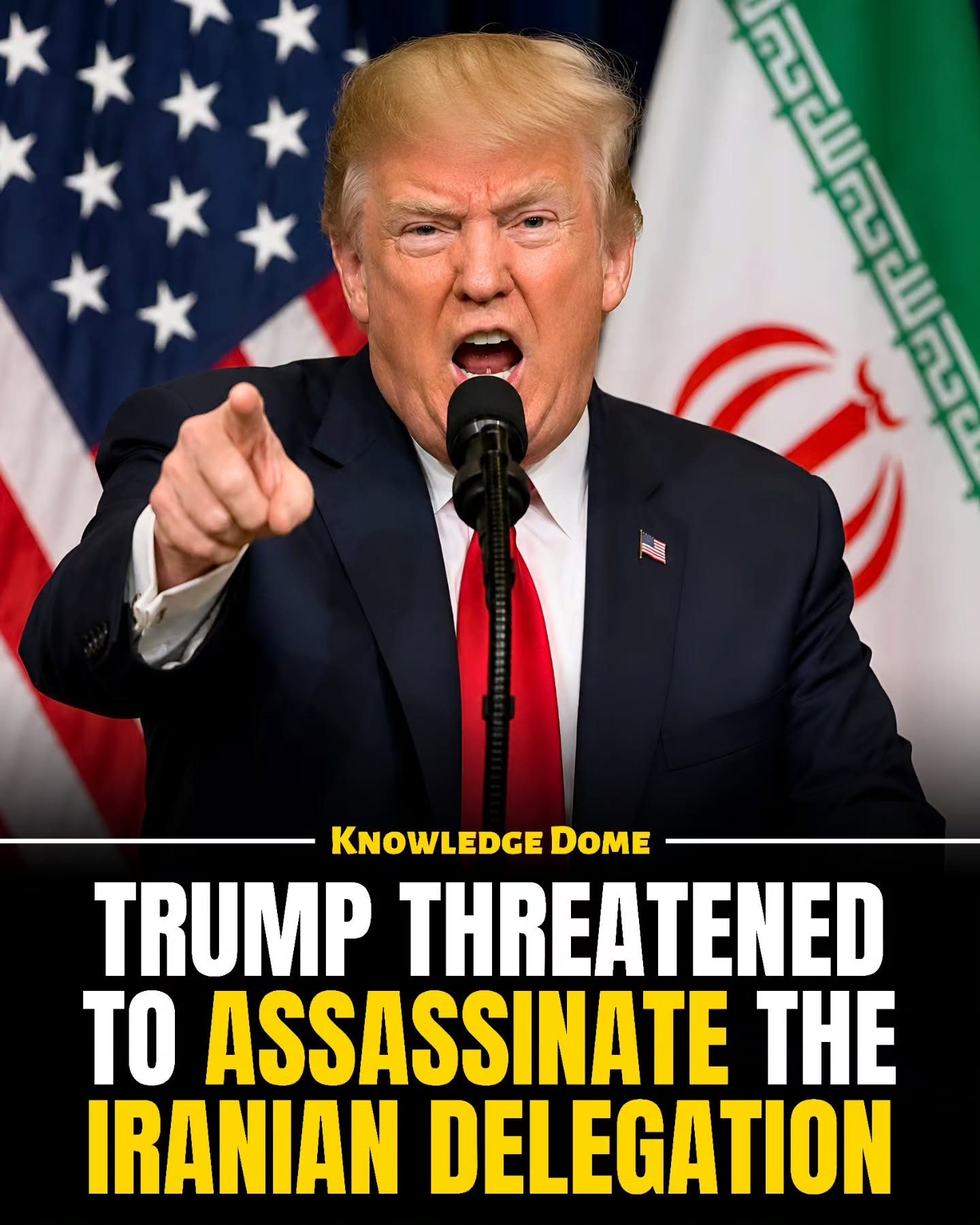
During a Fox News interview, Donald Trump issued a stern warning to Iran, stating that any attempt to close the Strait of Hormuz would result in serious consequences. He used harsh language, asserting that Iranian officials would not be able to return home safely if they proceeded with such actions. This warning came at a time when talks were underway in Switzerland, aimed at de-escalating tensions in the region.
The Impact on Negotiations
Trump's remarks, along with other messages directed at Iran's allies, significantly escalated the situation. Reports indicated that the pressure exerted by the United States contributed to a temporary walkout by Iranian negotiators during the talks. Despite this setback, mediation efforts continued through intermediaries such as Qatar and Pakistan, and both sides agreed to maintain an emergency communication line to prevent incidents in the Strait of Hormuz.
Iran's Response
In response to Trump's warnings, Iran's chief negotiator, Mohammad Bagher Ghalibaf, cautioned the United States to be mindful of its words. He emphasized that Iran's armed forces were prepared to counter any threats, underscoring the country's readiness to defend its interests in the Strait of Hormuz. This exchange of warnings highlighted the heightened tensions and the potential for military confrontation in the region.
Practical Tips for Staying Informed
Given the volatile nature of the situation, staying informed about developments in the Strait of Hormuz is crucial. Here are some practical tips for keeping up-to-date:
Follow Reliable News Sources
Rely on reputable news outlets and official statements for accurate information. Avoid sensationalized reports and unverified rumors that can mislead and exacerbate tensions.
Understand the Geopolitical Context
Grasp the broader geopolitical context to understand the motivations and actions of the key players. The Strait of Hormuz is not just about oil; it is also about regional power dynamics and national security interests.
Monitor International Reactions
Pay attention to the reactions of other countries and international organizations. The United Nations, NATO, and other regional powers often play critical roles in mediating conflicts and ensuring stability in the region.
Stay Vigilant for Signs of Escalation
Be aware of any signs of escalation, such as military movements, diplomatic statements, or changes in maritime traffic. Early detection of potential conflicts can help in taking precautionary measures.
Important Takeaways
The Strait of Hormuz remains a critical flashpoint in US-Iranian relations, with the potential for significant geopolitical and economic repercussions. Key takeaways include:
The Strategic Importance
The Strait of Hormuz's role as a vital oil route makes it indispensable for global energy security. Any disruption in the flow of oil through this waterway would have far-reaching consequences for the world economy.
The Role of Mediation
Effective mediation by neutral parties is essential in defusing tensions and maintaining open lines of communication. The continued involvement of intermediaries like Qatar and Pakistan has been crucial in preventing further escalation.
The Risks of Confrontation
Both the United States and Iran have demonstrated their willingness to take strong measures to protect their interests. The potential for military confrontation remains high, with both sides prepared to respond to perceived threats.
Conclusion
The Strait of Hormuz continues to be a central arena in the ongoing geopolitical struggle between the United States and Iran. While recent warnings and diplomatic efforts have highlighted the risks of escalation, they have also underscored the importance of maintaining open communication and diplomatic channels. Understanding the strategic significance of the Strait of Hormuz and staying informed about developments in the region is essential for navigating the complexities of this critical geopolitical landscape.
Watch the Reel
Questions readers ask
Why is the Strait of Hormuz significant in the context of U.S.-Iranian tensions?
The Strait of Hormuz is significant due to its role as a critical oil route, with roughly 20% of the world's oil supply passing through it. Its strategic importance makes it a focal point in geopolitical conflicts, particularly between the United States and Iran, as controlling or disrupting the flow of oil can have substantial economic and political impacts.
What specific warning did Donald Trump issue regarding Iran and the Strait of Hormuz?
Former President Donald Trump issued a stern warning to Iran, stating that severe consequences would follow if Iran were to attempt to close the Strait of Hormuz. This warning was part of the ongoing escalation in tensions between the two countries.
What are the potential consequences if Iran were to close the Strait of Hormuz?
If Iran were to close the Strait of Hormuz, the global oil supply could be significantly disrupted, leading to potential economic crises and increased oil prices worldwide. Additionally, such an action would likely escalate military tensions, as the U.S. and its allies would view it as a threat to global energy security.
How has the U.S. responded to Iran's threats regarding the Strait of Hormuz?
The U.S. has responded to Iran's threats with a show of force, including increased military presence in the region. Former President Donald Trump's warning was part of this response, aiming to deter Iran from taking any action that could disrupt the flow of oil through the strait.
What role does the Strait of Hormuz play in global oil markets?
The Strait of Hormuz is a critical chokepoint for global oil markets, with approximately 20% of the world's oil supply passing through it. Disruptions in the strait can have a significant impact on global oil prices and supply, making it a key area of concern for both the U.S. and Iran.
What are the geopolitical implications of the Strait of Hormuz for the U.S. and Iran?
The Strait of Hormuz serves as a critical flashpoint in U.S.-Iranian tensions due to its strategic importance in global oil trade. The U.S. seeks to maintain the free flow of oil to support global energy markets and allies, while Iran sees control over the strait as a means to exert influence and potentially gain leverage in negotiations.
Recent articles
Fresh deep dives from the latest Reels we unpacked.




Comments
Be the first to comment.