Venezuela and U.S. Oil: Unpacking the Complex Relationship
The recent statements by Donald Trump regarding Venezuela's oil reserves and the impact of natural disasters in the country have sparked significant attention. The political and economic dynamics between the United States and Venezuela are complex, involving oil, sanctions, and humanitarian crises. Understanding the context and implications of these statements is crucial for anyone interested in international politics and energy markets.
Context / Why this matters
Venezuela, once a major oil exporter, has faced economic turmoil and political instability in recent years. The country's vast oil reserves, the largest in the world, have been a significant factor in its economic and political landscape. The U.S. has played a critical role in shaping Venezuela's oil industry through sanctions and economic measures. These actions have had profound effects on both countries and the global oil market.
Key Points and Implications
Economic Impact of Sanctions
The U.S. has imposed strict sanctions on Venezuela, aiming to pressure the Venezuelan government to change its policies. These sanctions have targeted the country's oil industry, which is the backbone of its economy. The sanctions have severely limited Venezuela's ability to export oil and access international markets, leading to economic collapse and humanitarian crises.
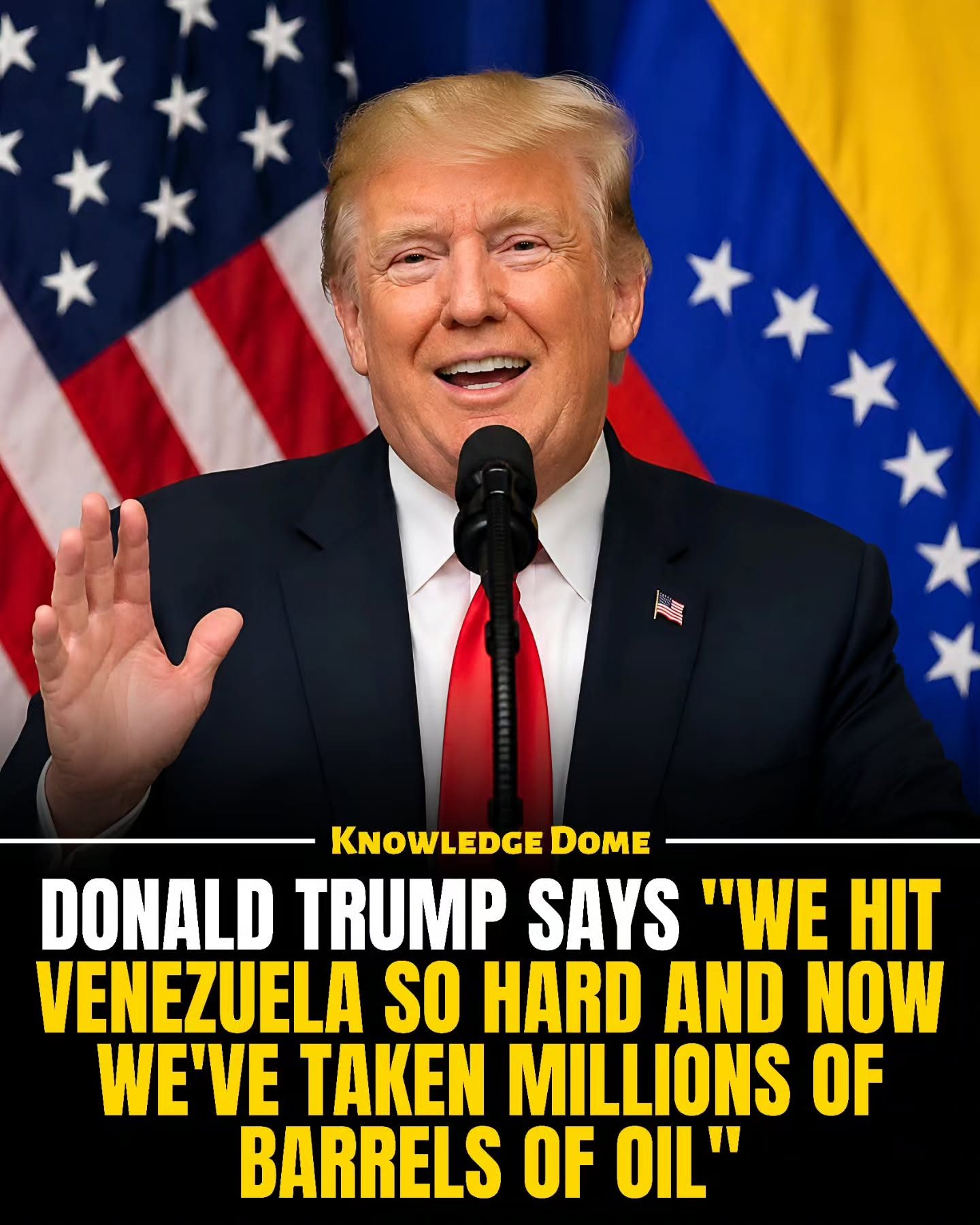
According to Reuters, Donald Trump claimed that the U.S. had taken out millions of barrels of oil from Venezuela, with the oil being brought to places like Houston. This statement suggests that the U.S. has been actively acquiring Venezuelan oil reserves, likely as part of its economic measures against the country. The oil brought to the U.S. has reportedly helped cover the costs of these measures, indicating a strategic move to offset the economic impact of sanctions.
Oil and Energy Dynamics
The U.S. oil companies have been brought into plans to help raise Venezuela's oil output, as reported by Reuters. This move highlights the U.S.'s interest in maintaining control over Venezuela's oil reserves, despite the sanctions. The involvement of U.S. oil companies in raising Venezuelan oil output could be seen as a strategic effort to stabilize the global oil market and ensure energy security for the U.S.
Venezuelan Oil Output and Sanctions
Venezuela has been struggling to maintain its oil output due to economic sanctions, political instability, and lack of investment in the oil industry. The U.S. oil companies' involvement in raising Venezuelan oil output could potentially stabilize the country's oil production, but it also raises questions about the conditions and motivations behind this collaboration.
Venezuela's Earthquake Crisis
In addition to the economic and political turmoil, Venezuela has also been dealing with a major earthquake crisis. Two strong earthquakes hit the country on June 24, 2026, causing heavy damage, many deaths, and a huge rescue effort. A 4.6-magnitude aftershock was felt near Caracas on June 29, exacerbating the situation. Trump's statement that the U.S. was helping Venezuela highlights the humanitarian aspect of the crisis. The U.S. has pledged support to Venezuela in response to the earthquake, but the effectiveness and coordination of this aid remain uncertain.
Practical Tips
For those interested in understanding and navigating the complex relationship between the U.S. and Venezuela, here are some practical tips:
- Stay Informed: Keep up with the latest developments in Venezuela's oil industry and the U.S.'s sanctions. Follow reliable news sources and expert analysis to stay informed.
- Understand the Implications: Recognize the economic, political, and humanitarian implications of the U.S.'s actions in Venezuela. This understanding will help you make informed decisions and engage in meaningful discussions.
- Monitor Global Oil Markets: The U.S.-Venezuela dynamic has significant implications for global oil markets. Stay updated on oil prices, supply and demand trends, and geopolitical factors affecting the market.
- Engage in Dialogue: Participate in discussions and debates about the U.S.-Venezuela relationship. Engage with experts, policymakers, and fellow enthusiasts to share insights and gain different perspectives.
- Consider Humanitarian Efforts: Recognize the humanitarian impact of the crisis in Venezuela. Consider supporting organizations involved in providing aid and relief to the affected populations.
Important Takeaways
- Economic and Political Complexity: The U.S.-Venezuela relationship is complex and multifaceted, involving economic sanctions, political instability, and humanitarian crises.
- Oil Reserves and Energy Security: Venezuela's oil reserves play a critical role in the global energy market, making the U.S.-Venezuela dynamic significant for energy security.
- Humanitarian Impact: The humanitarian impact of the earthquake crisis in Venezuela underscores the need for coordinated and effective aid efforts. The political and economic dynamics in the region require careful consideration to ensure the well-being of affected populations.
Conclusion
The recent statements by Donald Trump and the broader context of the U.S.-Venezuela relationship highlight the complexities and challenges in international politics and energy markets. Understanding the economic, political, and humanitarian dimensions of this relationship is essential for anyone interested in global affairs. Whether you're following the latest developments, engaging in discussions, or supporting humanitarian efforts, staying informed and engaged is crucial in navigating this intricate landscape.
Watch the Reel
Questions readers ask
What were the key points of Trump's claims regarding U.S. oil acquisition from Venezuela?
Trump's claims centered around the potential for the U.S. to acquire oil from Venezuela, emphasizing the strategic importance of Venezuela's vast oil reserves. He suggested that U.S. oil companies could benefit from these reserves, particularly in light of Venezuela's economic turmoil and the impact of natural disasters on its oil production.
How have U.S. sanctions affected Venezuela's oil industry?
U.S. sanctions have significantly impacted Venezuela's oil industry by restricting the country's ability to export oil and access international markets. These sanctions have led to a decline in Venezuela's oil production and export capabilities, exacerbating the country's economic crisis and humanitarian issues.
What role does Venezuela's oil play in the global oil market?
Venezuela's oil reserves, the largest in the world, make it a significant player in the global oil market. Despite its economic struggles, the country's oil production and export capabilities can still influence global oil prices and supply dynamics, making it a key factor in international energy markets.
How have Trump's oil policies affected the U.S. relationship with Venezuela?
Trump's oil policies, particularly the imposition of sanctions, have strained the U.S. relationship with Venezuela. These policies have been a point of contention, with critics arguing that they have exacerbated Venezuela's economic and humanitarian crises, while supporters claim they aim to pressure Venezuela's political regime.
What are the potential implications of U.S. oil acquisition from Venezuela for both countries' economies?
If the U.S. were to acquire oil from Venezuela, it could provide a much-needed economic boost to both countries. For the U.S., it would mean increased access to a substantial and strategic oil reserve. For Venezuela, it could potentially alleviate some of the economic pressures it faces, though it would depend on the terms and conditions of such an agreement.
How have natural disasters impacted Venezuela's oil production and export capabilities?
Natural disasters, such as flooding and landslides, have severely disrupted Venezuela's oil infrastructure, leading to a decrease in production and export capabilities. These disruptions have exacerbated the country's economic crisis and made it more challenging to manage and maintain its oil industry.
What are the strategic implications of U.S. oil acquisition from Venezuela for the global oil market?
U.S. oil acquisition from Venezuela could significantly impact the global oil market by influencing supply dynamics and prices. Increased U.S. access to Venezuela's oil reserves could potentially reduce global oil prices, affecting other oil-producing countries and altering the geopolitical landscape of the energy sector.
Recent articles
Fresh deep dives from the latest Reels we unpacked.




Comments
Be the first to comment.