The Strait of Hormuz: A Critical Waterway and Current Tensions
The Strait of Hormuz, a narrow waterway between the Persian Gulf and the Gulf of Oman, is one of the world's most strategic maritime chokepoints. It is the sole passage for crude oil shipments from the Persian Gulf to the open ocean, making it a critical point for global energy supplies. Recent statements from former President Donald Trump have brought renewed attention to this vital waterway.
Context: Why This Matters
The Strait of Hormuz plays a pivotal role in global energy security. Approximately 21 million barrels of oil pass through the strait daily, representing about 30% of the world's seaborne-traded oil. Any disruption in this region can have significant implications for global oil markets, affecting prices and supply chains worldwide. Understanding the current dynamics and political statements surrounding the strait is crucial for grasping the broader geopolitical landscape.
Main Discussion
The Strait of Hormuz and U.S. Policy
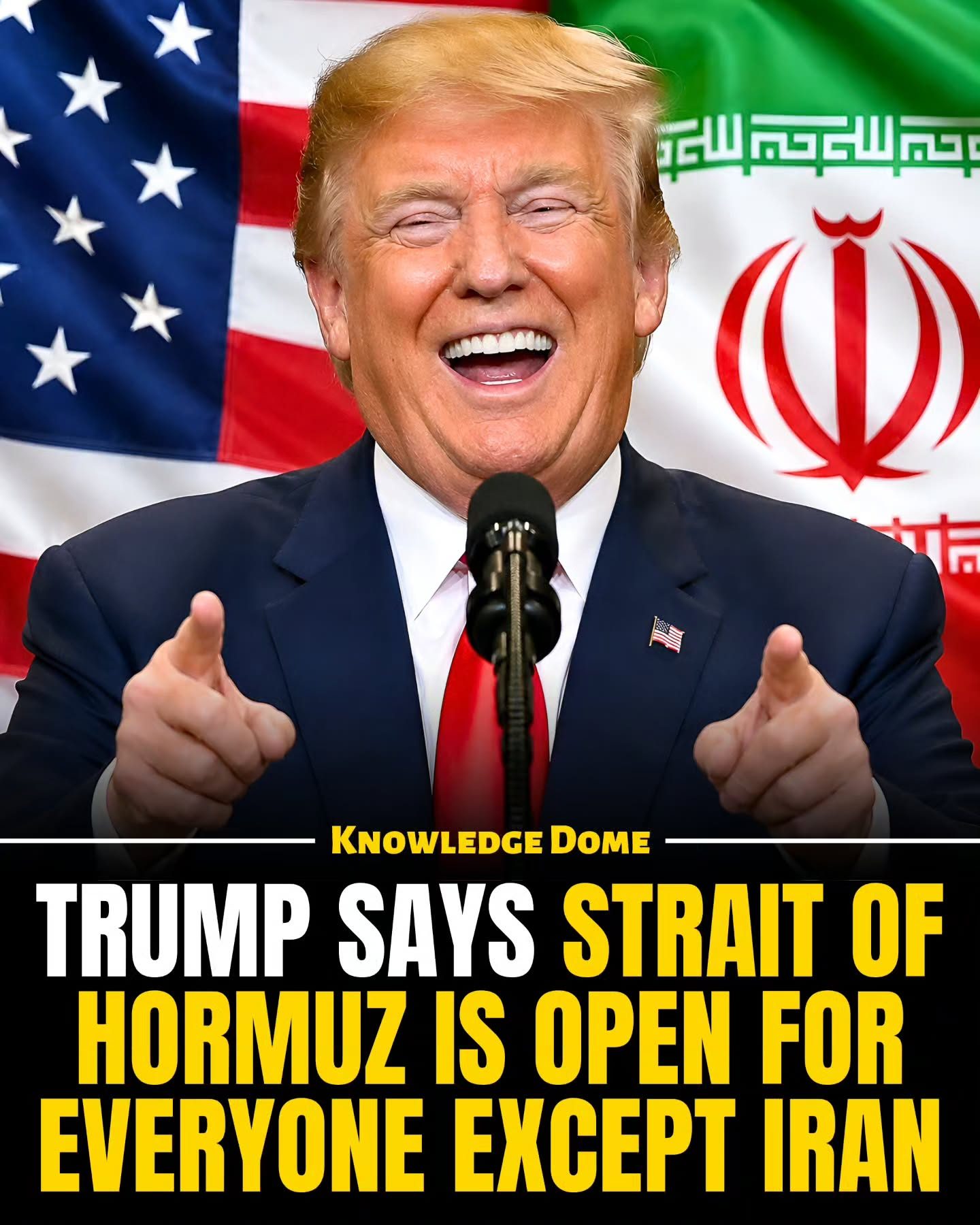
In a mid-July post on Truth Social, former President Donald Trump declared that the Strait of Hormuz is open for all ships from around the world, with one significant exception: ships linked to Iran. Trump asserted that the U.S. military is acting as the "guardian" of this important waterway, enforcing a strict naval blockade on ships carrying Iranian cargo or traveling to and from Iranian ports.
This blockade comes after a June ceasefire agreement reportedly fell apart. The stated goal of the U.S. administration is to weaken Iran’s remaining oil business and put more pressure on its economy. The U.S. Central Command announced that the naval blockade was reinstated to achieve this objective.
Economic and Strategic Implications
Trump initially proposed a 20% reimbursement fee on commercial cargo passing through the strait to help pay for U.S. naval operations. However, this idea was met with resistance from Gulf partners and was eventually dropped after oil prices jumped. Instead, Trump shifted his focus to promoting large trade and manufacturing investments from countries like Saudi Arabia and the United Arab Emirates.
Despite Washington's assurances that the strait is open, the situation on the water remains tense. Iran’s Revolutionary Guard has declared the waterway closed, and shipping traffic has significantly slowed. Many shipowners are reluctant to enter the strait due to the high risk, and major insurers like Lloyd’s of London are refusing to cover possible missile or drone attacks. This uncertainty and heightened risk have created a precarious situation for maritime trade in the region.
Geopolitical Tensions and International Responses
The Strait of Hormuz has long been a flashpoint for geopolitical tensions. Iran's Revolutionary Guard, a powerful branch of the Iranian military, has a significant presence in the region and has historically challenged U.S. and allied naval operations. The recent escalation in tensions has led to increased military activity and a heightened state of readiness among regional powers.
In response, countries like Saudi Arabia and the United Arab Emirates have been actively investing in their military capabilities and forming strategic alliances. These alliances aim to safeguard their maritime interests and ensure the uninterrupted flow of oil through the strait. The geopolitical landscape in the region is complex, with various countries having vested interests in the stability and security of the Strait of Hormuz.
Practical Tips
For companies operating in the maritime industry, navigating the Strait of Hormuz requires a comprehensive risk management strategy. Here are some practical tips to consider:
- Risk Assessment: Conduct thorough risk assessments to understand the current security situation and potential threats. This includes evaluating the likelihood of disruptions, attacks, and other hazards.
- Insurance Coverage: Ensure that your insurance policies cover potential risks associated with operating in high-risk areas. Consult with maritime insurance specialists to understand the extent of coverage and any exclusions.
- Alternative Routes: Consider alternative shipping routes and contingency plans in case of disruptions in the Strait of Hormuz. This could involve rerouting through the Suez Canal or other viable alternatives.
- Security Measures: Implement robust security measures for vessels passing through the strait. This includes armed escorts, advanced surveillance systems, and other protective measures to mitigate risks.
- Collaboration: Engage with regional authorities and international organizations to stay informed about the latest security developments and collaborative efforts. This can provide valuable insights and support in navigating the complex geopolitical landscape.
Important Takeaways
The Strait of Hormuz remains a crucial waterway with significant implications for global energy security. Recent political statements and ongoing tensions highlight the need for a comprehensive understanding of the region's dynamics. Companies and governments alike must navigate the complexities of this strategic chokepoint with careful planning and robust risk management strategies.
Conclusion
The Strait of Hormuz is a vital artery for global energy supplies, and its current political and security landscape is fraught with challenges. By understanding the recent developments and implementing practical risk management strategies, stakeholders can better navigate the complexities of this critical waterway. The situation in the Strait of Hormuz underscores the importance of geopolitical awareness and the need for cohesive international efforts to ensure maritime security and stability.
Watch the Reel
Questions readers ask
What is the Strait of Hormuz and why is it important?
The Strait of Hormuz is a narrow waterway between the Persian Gulf and the Gulf of Oman. It is crucial for global energy supplies, as it is the sole passage for crude oil shipments from the Persian Gulf to the open ocean, facilitating about 30% of the world's seaborne-traded oil daily.
What did Donald Trump's statement about the Strait of Hormuz entail?
Donald Trump's statement declared that ships connected to Iran are barred from using the Strait of Hormuz, and that the U.S. military would enforce this blockade to prevent Iranian ships from passing.
Why has the Strait of Hormuz become a focal point for geopolitical tensions?
The Strait of Hormuz has become a focal point for geopolitical tensions due to its critical role in global oil trade and the potential for disruptions to impact global oil markets and prices, as well as the recent statements and policies from U.S. and Iranian officials.
How might a blockade of the Strait of Hormuz affect global oil markets?
A blockade of the Strait of Hormuz could significantly impact global oil markets by disrupting the flow of crude oil, which would likely lead to increased oil prices and potential shortages in countries that rely on oil from the Persian Gulf.
What is the significance of Trump's policy towards Iranian ships in the Strait of Hormuz?
Trump's policy towards Iranian ships in the Strait of Hormuz is significant as it aims to isolate Iran economically by preventing its ships from using the crucial waterway, potentially affecting Iran's ability to export oil and import goods, while escalating tensions between the U.S. and Iran.
Which countries might be most affected by a blockade of the Strait of Hormuz?
Countries that are most dependent on oil imports from the Persian Gulf, such as Japan, South Korea, and several European nations, are likely to be significantly affected by a blockade of the Strait of Hormuz, as they rely on this waterway for a major portion of their oil supplies.
Recent articles
Fresh deep dives from the latest Reels we unpacked.




Comments
Be the first to comment.