The Strait of Hormuz: A Critical Sea Route for Global Oil Supplies
The Strait of Hormuz, a narrow waterway between the Persian Gulf and the Gulf of Oman, is a linchpin in global oil trade. This strategic passage, roughly 34 kilometers (21 miles) wide at its narrowest point, handles about a fifth of the world's oil supplies daily. Given its importance, keeping this route open is a critical task, and it has been the subject of political discourse, particularly during the Trump administration.
Why This Matters
The Strait of Hormuz is pivotal for global energy security. Its significance lies in the sheer volume of oil it transports—about 18.5 million barrels of oil per day, which represents around 21% of the world's total oil consumption. This route is crucial for many major oil-producing countries and importers, including China, Japan, South Korea, and European nations. Disruptions in this route can have far-reaching impacts on the global economy, affecting not just oil prices, but also geopolitical stability and diplomatic relations.
The Geopolitical Context
The U.S. Role
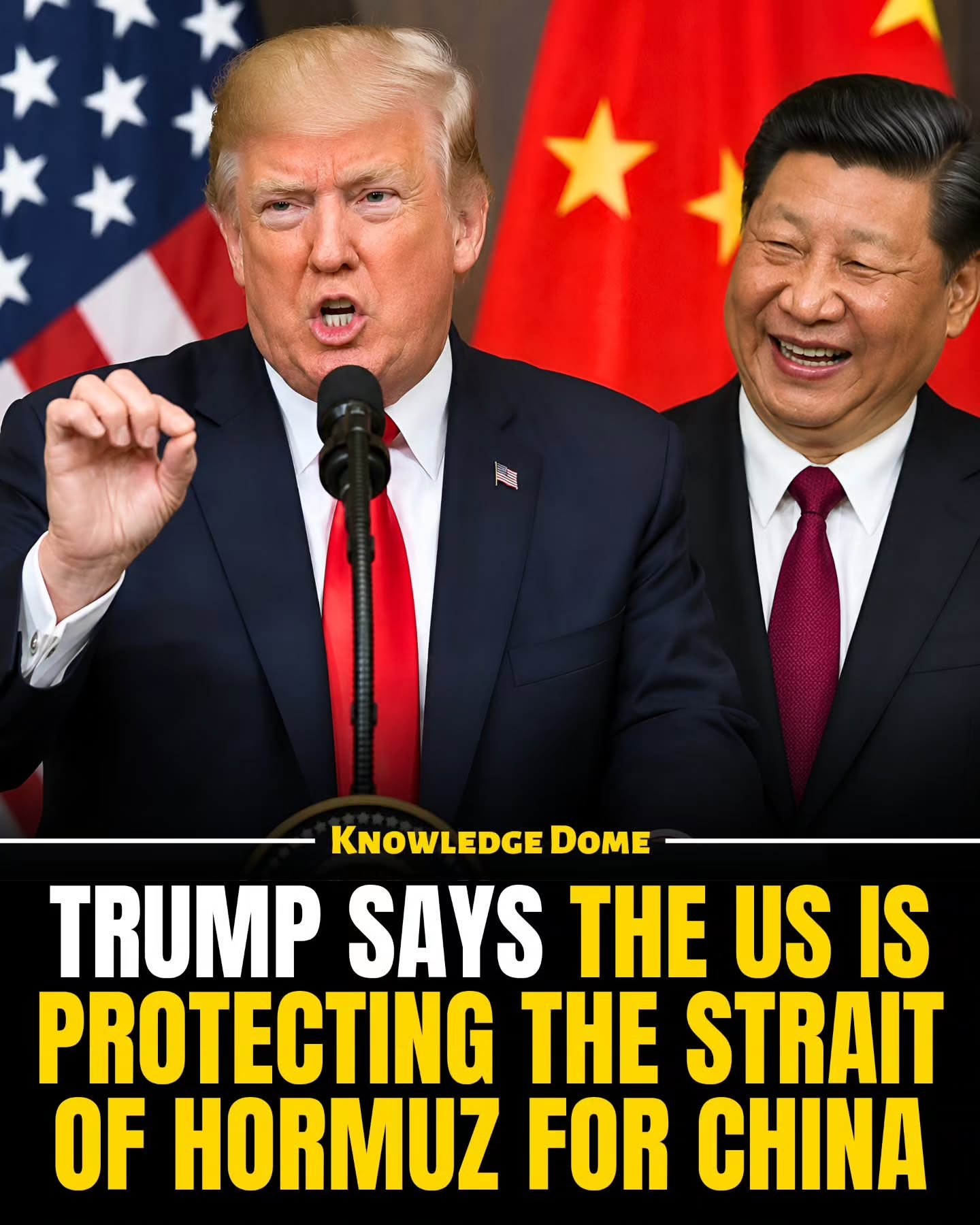
President Donald Trump highlighted the U.S.'s role in protecting the Strait of Hormuz, emphasizing that America cannot bear the sole responsibility. Trump's statements suggested a desire for shared burden, noting that keeping this sea route open is essential for maintaining global oil supplies. His administration initially proposed a ceasefire without tolls; however, later iterations suggested that the U.S. could impose a 20% charge on cargoes if the deal fell apart. This fluctuating stance underscored the complexity and high stakes involved.
Iran and Regional Tensions
The geopolitical tensions around the Strait of Hormuz have escalated due to conflicts involving Iran. The U.S. military has conducted repeated strikes, and Iran has claimed that oil tankers have been hit and stopped in the strait. These incidents have caused shipping traffic to drop sharply, increasing concerns about potential disruptions in oil supplies. The volatile situation has raised eyebrows worldwide, as the safety of this maritime route directly impacts oil prices and economic stability in many countries.
Understanding the Strait of Hormuz
Geographical Significance
Situated between Oman and Iran, the Strait of Hormuz connects the Persian Gulf to the Gulf of Oman and the Arabian Sea. Its narrow width makes it a bottleneck for maritime traffic, particularly for oil tankers. The strategic location means that any disruption can cause significant delays and complications in global oil trade.
Economic Impact
Oil flows through the Strait of Hormuz have been impacted significantly by regional conflicts. For instance, Reuters reported that China's oil imports through Hormuz dropped dramatically from 4.07 million barrels a day in the first quarter of 2019 to 648,000 barrels a day in April. Such fluctuations highlight the economic vulnerability that many countries face due to the Strait's instability.
Global Dependence
The world's dependence on the Strait of Hormuz is evident in the volume of oil it transports. Countries like China, Japan, and South Korea rely heavily on oil supplies that pass through this narrow corridor. Any instability can lead to soaring oil prices, affecting everything from industrial production to consumer goods.
Practical Tips for Staying Informed
Monitor News Sources
Staying updated with reliable news sources like Reuters can provide real-time insights into the situation around the Strait of Hormuz. Understanding the latest developments can help businesses and individuals anticipate potential disruptions in oil supplies and plan accordingly.
Diversify Energy Sources
For countries heavily reliant on oil from the Middle East, diversifying energy sources can mitigate risks associated with geopolitical tensions. Investing in alternative energy sources and improving energy efficiency can reduce dependence on a single supply route.
Engage in Diplomatic Efforts
Encouraging international cooperation and diplomatic efforts to stabilize the region can help ensure the safe passage of oil through the Strait of Hormuz. Shared responsibility and collective action can alleviate the burden on any single nation, promoting global energy security.
Important Takeaways
- The Strait of Hormuz is a critical maritime route for global oil supplies, handling about a fifth of the world's oil.
- The U.S.'s role in protecting this route involves complex geopolitical considerations, including proposals for shared responsibility and potential tolls.
- Regional tensions, particularly involving Iran, can lead to significant disruptions in oil flows, affecting global oil prices and economic stability.
- Countries dependent on oil supplies through the Strait of Hormuz must diversify their energy sources and engage in international cooperation to mitigate risks.
Conclusion
The Strait of Hormuz remains a focal point in global energy security, with its significance underscored by the vast volumes of oil it transports daily. Understanding the geopolitical landscape and the potential impacts of disruptions is crucial for governments, businesses, and consumers alike. By staying informed, diversifying energy sources, and promoting diplomatic efforts, the world can better navigate the challenges posed by this critical sea route.
Watch the Reel
Questions readers ask
Why was the Strait of Hormuz a focal point during the Trump administration?
The Strait of Hormuz gained significant attention during the Trump administration due to its crucial role in global oil supplies and the rising geopolitical tensions with Iran, which threatened the security of this vital waterway.
What was President Trump's approach to securing the Strait of Hormuz?
President Trump emphasized the U.S.'s role in protecting the Strait of Hormuz while promoting a shared burden strategy, encouraging other countries to contribute to the security of this critical oil route.
How much of the world's oil supply passes through the Strait of Hormuz daily?
Approximately 18.5 million barrels of oil, or about 21% of the world's total oil consumption, pass through the Strait of Hormuz each day. This makes it a linchpin in global energy security.
What were the geopolitical tensions surrounding the Strait of Hormuz during the Trump administration?
The primary geopolitical tensions involved rising hostility and potential conflicts with Iran, which posed threats to the free flow of oil through the Strait of Hormuz. These tensions were a significant factor in the Trump administration's policies and discussions around the region.
What is the significance of the Strait of Hormuz for global energy security?
The Strait of Hormuz is a critical sea route for global oil supplies, handling about a fifth of the world's daily oil consumption. Its strategic importance makes it a key focus for international security and policy discussions.
How did the Trump administration address the issue of securing the Strait of Hormuz?
The Trump administration acknowledged the importance of the Strait of Hormuz for global energy security and emphasized the U.S.'s role in securing the route. They also advocated for a shared burden strategy, encouraging international cooperation to maintain the security of this vital passage.
Why is the US role in securing the Strait of Hormuz important?
The U.S. role is important due to its significant military presence in the region and its status as a major player in global politics. By securing the Strait of Hormuz, the U.S. helps ensure the stability of global oil shipping, preventing potential disruptions that could impact economies worldwide.
Recent articles
Fresh deep dives from the latest Reels we unpacked.




Comments
Be the first to comment.