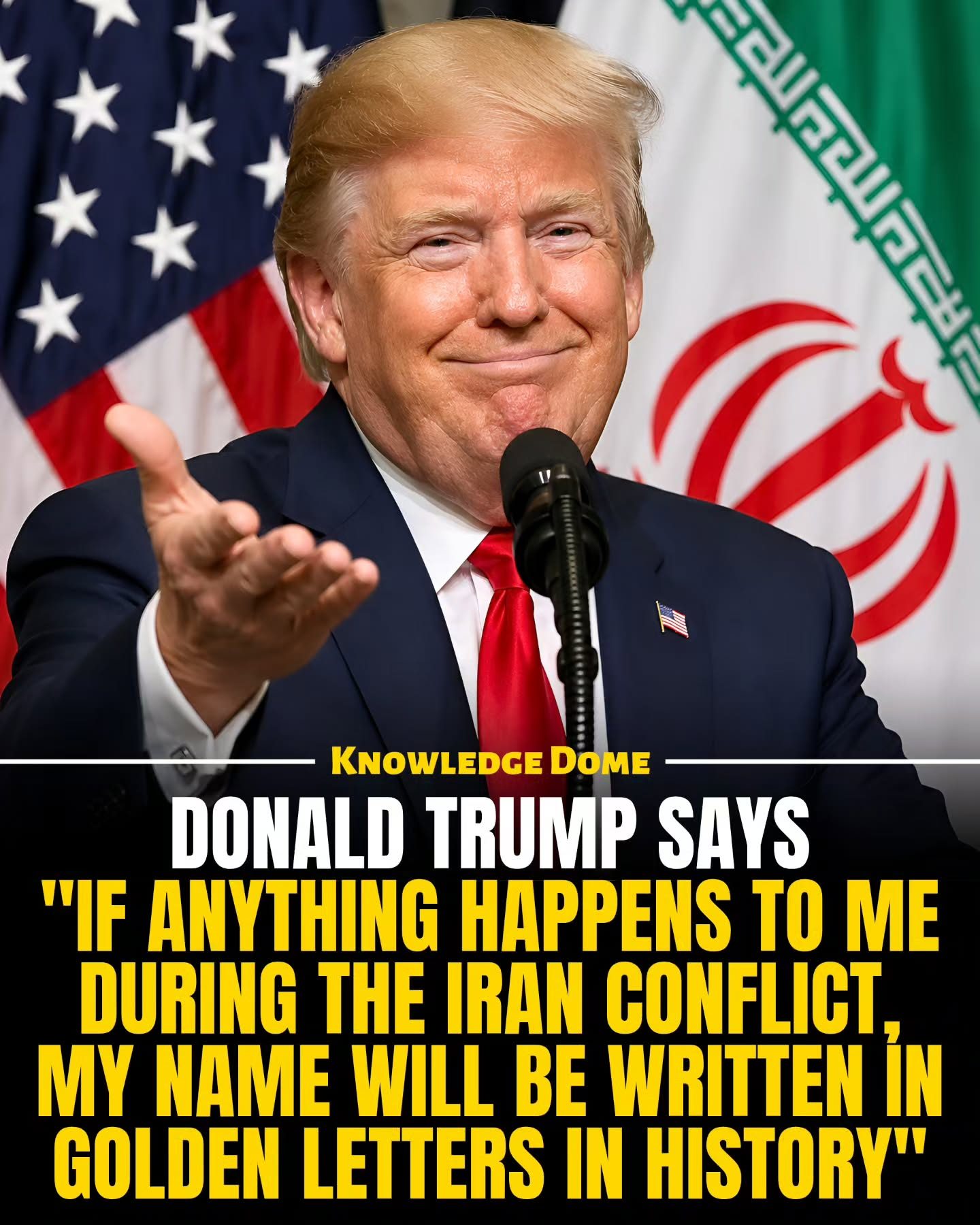
The US-Iran Conflict and Donald Trump's Stance
The ongoing diplomatic and military tensions between the United States and Iran have been a significant point of discussion in recent times. The current conflict has escalated to a level where both nations are grappling with a potential military confrontation, with President Donald Trump taking a central role in the dialogue. The latest statements from the White House have indicated that while the United States and Iran are still engaged in talks, the road to a diplomatic resolution is fraught with challenges.
Context / Why This Matters
Understanding the complexities of the US-Iran conflict requires a deeper dive into the historical and contemporary factors that have brought the two nations to this crucial point. At the heart of the matter lies a significant political and military stand-off, one that has the potential to alter the geopolitical landscape of the Middle East.
Main Discussion
The Status of Diplomacy
Donald Trump has openly acknowledged that the United States and Iran are still in talks, but he has also expressed that Iran is not yet ready for a deal. This statement underscores the precarious nature of the ongoing negotiations, suggesting that while there is a willingness to engage in dialogue, significant hurdles remain.
The Attack on U.S. Forces
One of the most pressing issues in this conflict is the recent attack on U.S. forces in Jordan. Following this incident, Trump warned that the United States would retaliate with a strong response, indicating that the situation is rapidly moving in a dangerous direction. This escalation has heightened tensions, making it clear that the conflict is no longer confined to diplomatic exchanges but has reached a critical military phase.
Domestic Response in the United States
The severity of the situation is also reflected in the domestic response within the United States. The U.S. House of Representatives approved a war powers resolution aimed at preventing military action against Iran. This move underscores the deep concern among lawmakers and the general public about the potential for a full-scale military confrontation. It highlights the gravity of the situation and the need for a measured approach to avoid a broader conflict.
Practical Tips
For those following this complex situation, it is important to stay informed through reliable sources. Keeping abreast of official statements and developments from both the United States and Iran can provide a clearer picture of the evolving dynamics.
Engaging with different perspectives can also offer a more nuanced understanding. Both supporters and critics of Trump's approach have varying views on his recent statements. Supporters see his words as a strong message, while critics deem them too dramatic for the seriousness of the crisis. Balancing these viewpoints can help in forming a well-rounded opinion.
Important Takeaways
The US-Iran conflict is at a critical juncture, with both nations engaged in delicate negotiations while also preparing for potential military action. President Trump's latest statements reflect the complexity and urgency of the situation. The involvement of domestic political processes, such as the war powers resolution, further emphasizes the gravity of the issue.
Conclusion
The US-Iran conflict is a multifaceted issue that requires careful consideration of both diplomatic and military aspects. Staying informed and understanding the nuances of the situation can help navigate the complexities of this ongoing geopolitical challenge. As the situation unfolds, it is essential to remain vigilant and informed, recognizing the potential impact on regional and global stability.
Watch the Reel
Questions readers ask
What are the main challenges facing the US-Iran talks?
The main challenges include historical mistrust, recent military incidents—like the attack on U.S. forces—and differing strategic interests. Both sides need to navigate these complex issues to reach a diplomatic resolution.
How has Donald Trump's stance on Iran evolved?
President Trump has maintained a firm stance against Iran's nuclear ambitions and regional activities. His administration has withdrawn from the 2015 nuclear deal and imposed strict sanctions, while also expressing openness to talks under certain conditions.
What recent events have escalated US-Iran tensions?
Recent attacks on U.S. forces and other military incidents have heightened tensions. These events have made the path towards a peaceful resolution more uncertain, as both nations grapple with the potential for further conflict.
Why is the potential for a military conflict between the US and Iran concerning?
A military conflict would have severe consequences, including significant loss of life, regional destabilization, and potential global economic disruption. Diplomatic efforts are crucial to avoid these outcomes.
What is the current status of US-Iran talks?
Talks between the US and Iran are ongoing, but progress is slow due to deep-seated issues and recent escalations. Both sides are engaged in dialogue, but a breakthrough remains uncertain.
How have recent attacks on U.S. forces impacted Iran talks?
Recent attacks have increased tensions and made the US more cautious. These incidents have complicated negotiations, as both sides must address security concerns and build trust before significant progress can be made.
Why is the Iran conflict a significant global issue?
The US-Iran conflict has implications for regional stability, global energy markets, and international security. It involves key players in the Middle East and has the potential to draw in other global powers, making it a critical issue for the entire world.
Recent articles
Fresh deep dives from the latest Reels we unpacked.




Comments
Be the first to comment.