The Geopolitical Complexity of the Strait of Hormuz
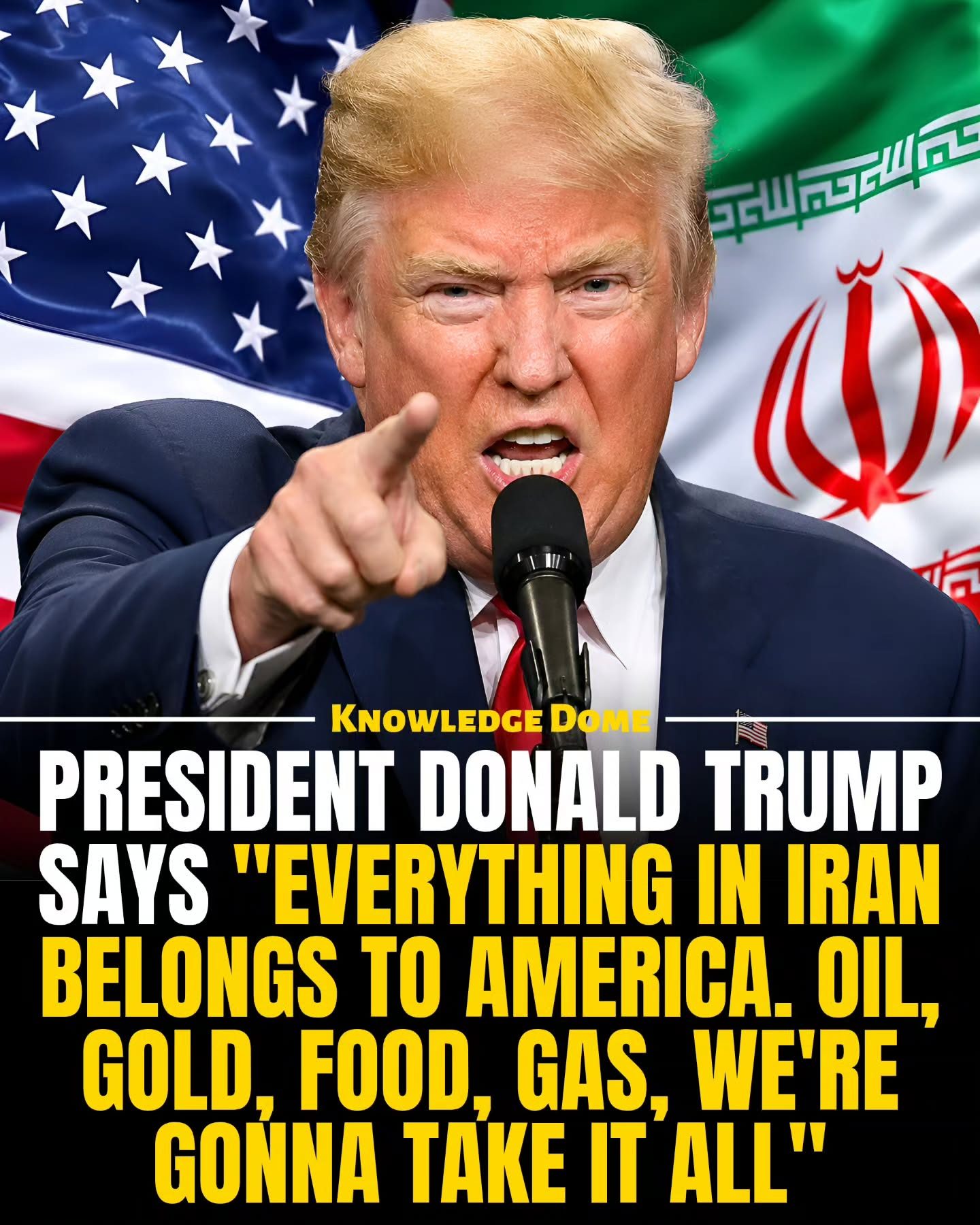
The Strait of Hormuz, a narrow waterway connecting the Persian Gulf to the Gulf of Oman, is one of the most strategically significant maritime routes in the world. Its importance lies in the vast amount of oil and gas that passes through it daily, making it a critical choke point for global energy supplies. Recent escalations between the U.S. and Iran have brought renewed attention to this geopolitical hotspot, raising concerns about potential disruptions and their far-reaching consequences.
Why This Matters
The Strait of Hormuz is a vital artery for global energy markets. Approximately 20% of the world's oil supply passes through this narrow strait, with key exports from Saudi Arabia, Iran, Iraq, and the United Arab Emirates traversing these waters. Any disruption to this flow can send shockwaves through international markets, affecting everything from gas prices to geopolitical stability.
The current conflict between the U.S. and Iran has intensified, with the U.S. reimposing a naval blockade and launching airstrikes against coastal defense systems and missile sites. Iran retaliated by attacking U.S. allies in the region. The crisis has escalated tensions, leading to concerns about higher oil prices, unsafe shipping, and an expanded regional crisis.
The Escalating Crisis
The Latest Developments
Recent developments have seen the U.S. reinstate a naval blockade in the Strait of Hormuz, accompanied by airstrikes targeting Iranian coastal defense systems and missile sites. These actions were reportedly in response to Iranian activities in the region. In retaliation, Iran launched attacks on U.S. allies, further complicating an already delicate situation.
The U.S. initially proposed a 20% toll on ships passing through the Strait, a move intended to control the waterway more stringently. However, this proposal was later withdrawn, although the blockade remains in place. The initial plan to impose a toll was seen as a way to exert economic pressure on Iran and potentially force a restart of stalled talks. This decision came as tensions heightened, leading to a spike in oil prices.
The Strategic Importance of the Strait of Hormuz
The Strait of Hormuz is a critical energy corridor, facilitating the transportation of a significant portion of the world's oil and gas supplies. Any disruption to this route can have profound economic and geopolitical repercussions. Key oil-producing nations in the region, including Saudi Arabia, Iran, Iraq, and the UAE, heavily rely on the Strait for exporting their resources to international markets. Disruptions can lead to supply shortages, price spikes, and global economic instability.
The Oil and Gas Corridor
The Strait of Hormuz is essentially a bottleneck for global oil and gas exports. It connects the Persian Gulf to the open seas, making it an essential transit point for oil tankers and gas carriers. The narrow strait, which is only 21 miles wide at its narrowest point, poses logistical and security challenges. This makes it a prime target for geopolitical maneuvering and potential conflicts.
Practical Tips for Navigating the Crisis
Understanding the Impact on Global Markets
For consumers and investors, understanding the potential impact of disruptions in the Strait of Hormuz is crucial. Fluctuations in oil and gas prices can affect everything from household budgets to stock market performances. Keeping an eye on global energy news and expert analyses can provide valuable insights into potential market shifts and investment strategies.
Monitoring Geopolitical Developments
Staying informed about geopolitical developments in the region is essential. Reliable news sources like Reuters, AP, and Jacobin can provide timely updates and in-depth analyses. Keeping abreast of political decisions, military actions, and diplomatic efforts can help navigate the complexities of the situation.
Strategic Planning for Businesses
Businesses, especially those involved in international trade and energy markets, need to adopt a proactive approach. This includes developing contingency plans for potential disruptions, diversifying supply chains, and exploring alternative energy sources. Engaging with industry experts and analysts can also provide valuable insights into managing risks and identifying opportunities.
Important Takeaways
The Complexity of the Situation
The conflict between the U.S. and Iran over the Strait of Hormuz highlights the intricacies of geopolitical tensions. The region's strategic importance, coupled with the economic stakes, makes it a focal point for international attention.
The Role of Global Energy Markets
The Strait of Hormuz's role in global energy markets cannot be overstated. Its significance extends far beyond the Middle East, influencing global economic stability and geopolitical dynamics. Any disruption can have widespread and lasting effects.
The Need for Vigilance
Given the rapidly changing dynamics, vigilance is key. Whether for consumers, investors, or businesses, staying informed and prepared can mitigate risks and capitalize on opportunities arising from this geopolitical hotspot.
Conclusion
The Strait of Hormuz's role in global energy markets underscores its strategic importance. As tensions between the U.S. and Iran continue to escalate, the potential for disruptions remains high. Understanding the complexities and staying informed about developments can help navigate the challenges and opportunities presented by this critical geopolitical corridor. The situation is dynamic, and the potential for further escalation remains, making it essential to stay vigilant and prepared.
Watch the Reel
Questions readers ask
What makes the Strait of Hormuz so significant in global energy dynamics?
The Strait of Hormuz is crucial because it is the passage for about 20% of the world's oil supply. It connects the Persian Gulf to the Gulf of Oman, making it a vital route for oil exports from major producers like Saudi Arabia, Iran, Iraq, and the United Arab Emirates.
How might a blockade of the Strait of Hormuz impact global oil markets?
A blockade of the Strait of Hormuz could lead to a significant global oil supply shortage, driving up prices and potentially causing an international energy crisis. This scenario could disrupt economies worldwide, particularly those heavily dependent on Middle Eastern oil.
What are the primary causes of the recent tensions between the US and Iran concerning the Strait of Hormuz?
Recent tensions have been exacerbated by the ongoing conflict between the US and Iran. These tensions involve various factors, including US sanctions on Iran, Iran's nuclear program, and conflicts in the Middle East, all of which have heightened the risk of disruptions in the Strait of Hormuz.
What steps can be taken to mitigate the risks of an oil crisis in the Strait of Hormuz?
To mitigate risks, international cooperation and diplomacy are crucial. Ensuring open communication channels between the US and Iran, fostering regional stability, and maintaining the presence of international peacekeeping forces in the area can help prevent escalations and potential oil disruptions.
Which countries are most likely to be affected by a disruption in oil flow through the Strait of Hormuz?
Countries that rely heavily on Middle Eastern oil, such as Japan, China, South Korea, and India, would be particularly vulnerable to disruptions in the Strait of Hormuz. These nations have significant energy needs, and any interruption in supply could have severe economic and social consequences.
Recent articles
Fresh deep dives from the latest Reels we unpacked.




Comments
Be the first to comment.