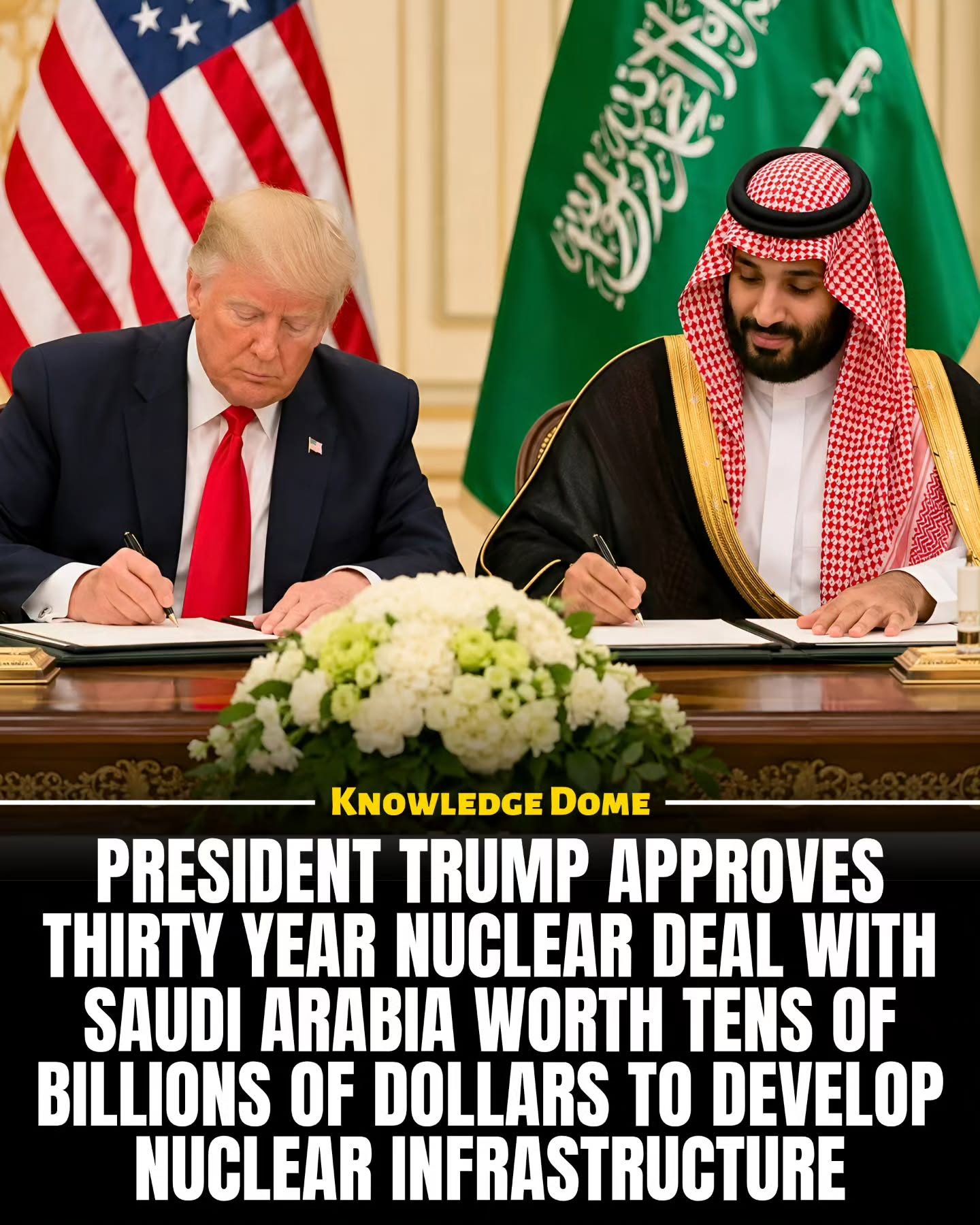
The Section 123 Agreement: A New Nuclear Deal Between the U.S. and Saudi Arabia
The U.S. has approved a significant 30-year civilian nuclear deal with Saudi Arabia, known as a Section 123 Agreement. This deal could bring in billions of dollars to the U.S. and significantly influence the Middle East's energy landscape.
Why This Matters
This agreement comes at a pivotal time for both nations. For Saudi Arabia, it represents a major step towards diversifying its energy sources and reducing dependence on oil. For the U.S., it offers a substantial economic boost and reinforces its role as a key player in global energy and defense.
The Agreement: Details and Implications
Economic Boost and American Involvement
The Section 123 Agreement is expected to bring in billions of dollars to the United States. It allocates a prominent role for American energy and defense companies, which will be instrumental in constructing and maintaining Saudi Arabia's commercial nuclear power infrastructure.
Uranium Enrichment and Fuel Monitoring
One of the most contentious aspects of this deal is the potential for a uranium enrichment plant within Saudi Arabia. However, this will only be possible after a comprehensive two-year study conducted jointly by the U.S. and Saudi Arabia. The U.S. will retain oversight over the enriched fuel to ensure it is not used for military purposes, thereby maintaining the focus on energy production rather than weaponry.
Differences from Previous Deals
This deal contrasts with the 2009 agreement between the U.S. and the United Arab Emirates, which prohibited domestic uranium enrichment entirely. The new agreement with Saudi Arabia may allow for uranium enrichment, although it does not require the most stringent IAEA inspection rules. This has prompted concerns from experts who fear potential risks associated with weaker inspection standards.
Congressional Review and Future Steps
The agreement is currently under review by the U.S. Congress, which has a 90-day window to assess its implications. This review process is crucial for understanding the potential benefits and risks of the deal. Some officials believe it offers a safe way to meet Saudi Arabia's energy needs, while critics argue it could exacerbate regional tensions and possibly lead to a nuclear arms race.
Practical Tips for Understanding the Deal
Stay Informed
Keep an eye on updates from reputable news sources and official statements from both the U.S. and Saudi governments. Understanding the evolving details and perspectives will help you stay informed about the potential impacts of this deal.
Follow Expert Analysis
Engage with expert analyses and commentaries from nuclear policy specialists. Their insights can provide valuable context and help you understand the technical and strategic aspects of the agreement.
Monitor Congressional Hearings
Pay attention to the Congressional review process. Public hearings and statements from lawmakers can offer critical insights into the political dynamics and potential amendments to the deal.
Important Takeaways
- The Section 123 Agreement with Saudi Arabia is a significant 30-year civilian nuclear deal that could bring in billions of dollars to the U.S.
- The deal involves American companies in building Saudi Arabia's nuclear infrastructure and includes a provision for potential uranium enrichment.
- While the deal offers economic benefits, it also raises concerns about regional stability and nuclear proliferation.
- The agreement is currently under review by the U.S. Congress, and expert analyses will be crucial in understanding its implications.
- Staying informed about official statements, expert commentaries, and Congressional hearings will help you gain a comprehensive understanding of this deal and its potential impacts.
Conclusion
The Section 123 Agreement between the U.S. and Saudi Arabia represents a major development in global energy and defense policy. As the deal moves through the review process, it will be essential to stay informed about its implications and potential impacts on regional stability and the global nuclear landscape. The balance between economic benefits and security concerns will be a key factor in shaping the future of this agreement and its long-term effects on both nations.
Watch the Reel
Questions readers ask
What is the Section 123 Agreement, and why is it significant for the US and Saudi Arabia?
The Section 123 Agreement is a 30-year civilian nuclear deal between the US and Saudi Arabia, named after a section of the Atomic Energy Act. It's significant because it aims to bring billions of dollars to the US economy and helps Saudi Arabia diversify its energy sources, reducing its reliance on oil.
What is the potential impact of the Section 123 Agreement on the Middle East energy landscape?
The deal could significantly influence the Middle East's energy landscape by introducing nuclear power as a major energy source for Saudi Arabia. This could lead to a reduction in oil dependence and potentially reshape regional energy dynamics.
What are the implications of the potential uranium enrichment plant in Saudi Arabia?
The potential uranium enrichment plant has sparked debate among experts. While it could help Saudi Arabia achieve energy independence, it also raises concerns about nuclear proliferation and regional security, given the tense geopolitical climate in the Middle East.
How does this nuclear deal align with the Trump administration's policies?
This nuclear deal reflects the Trump administration's focus on strengthening US economic and defense ties with key allies in the Middle East. It also aligns with the administration's push for US energy dominance and reducing dependence on fossil fuels.
What are the economic benefits for the US from this nuclear deal with Saudi Arabia?
The deal is expected to generate billions of dollars for the US economy through trade and investment opportunities in the nuclear energy sector. It also reinforces the US' position as a global leader in nuclear technology and energy.
What role does the Atomic Energy Act play in this agreement?
The Atomic Energy Act provides the legal framework for the US to cooperate with other countries on nuclear matters. This deal, named after Section 123 of the Act, is a result of the Act's provisions, which allow the US to share nuclear technology and materials with other countries under specific agreements.
Recent articles
Fresh deep dives from the latest Reels we unpacked.




Comments
Be the first to comment.