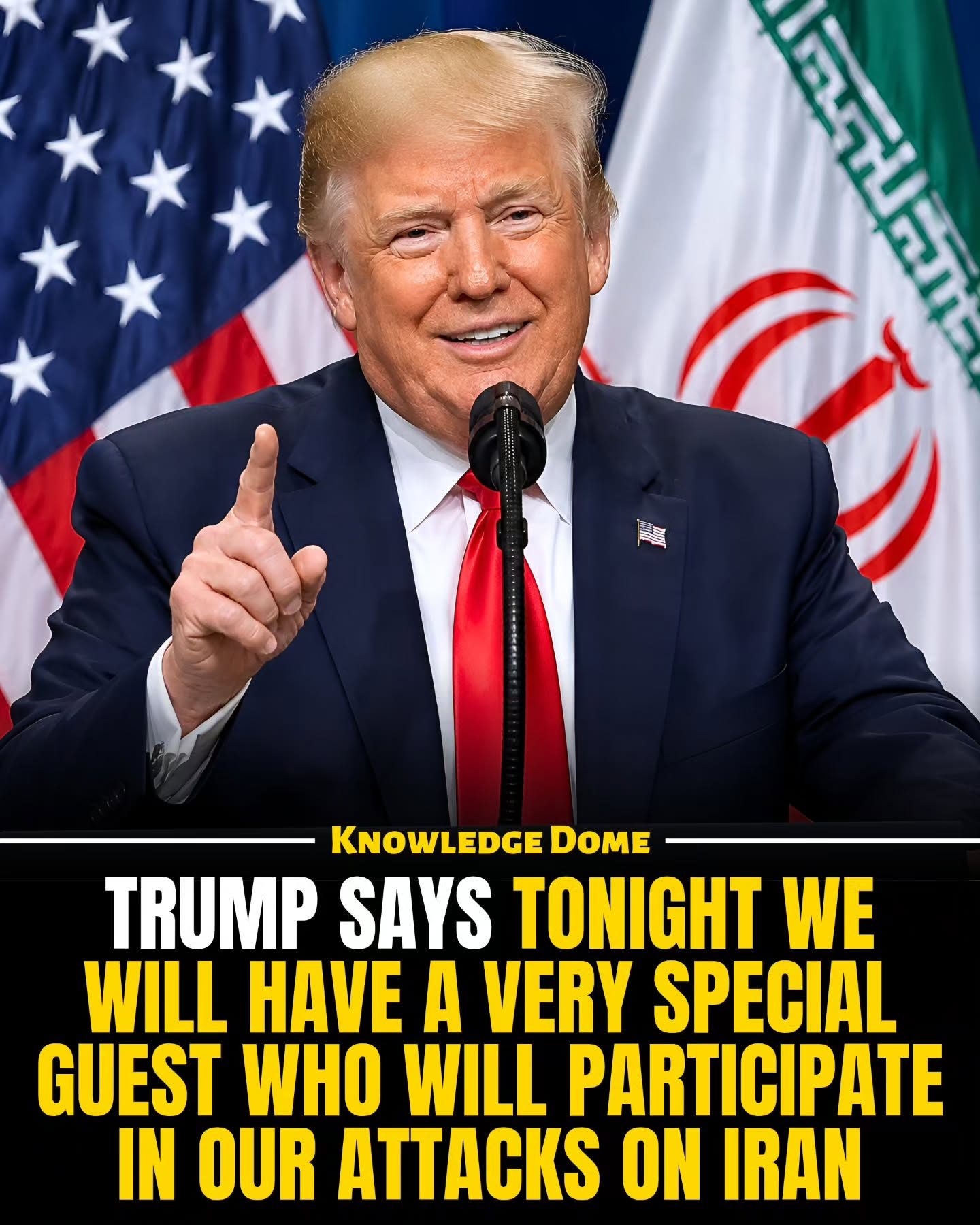
The Escalating Tensions: Donald Trump, Iran, and the Stirring of the Conflict
The ongoing conflict between the United States and Iran has intensified, with Donald Trump issuing fresh warnings and the U.S. launching new strikes against Iranian targets. This escalation has left many people concerned and speculating about the potential consequences. The situation is dynamic and fraught with uncertainty, as both sides navigate a delicate path of negotiations and military actions.
Why This Matters
The Middle East has always been a hotbed of geopolitical tensions, and the ongoing conflict between the United States and Iran is no exception. The region is a critical hub for global energy supplies, and any disruption in this area can have far-reaching effects. The recent strikes and warnings from Donald Trump have heightened the tensions, adding to the complexity of the situation.
The conflict has serious implications for global security and stability. The U.S. and Iran have a history of strained relations, and any escalation in their conflict can lead to a broader regional conflict, drawing in other countries and affecting global politics and economies.
Escalations and Military Actions
The United States' Recent Strikes
Recent reports from Reuters and the Associated Press (AP) indicate that the United States has resumed military strikes on Iranian targets. These strikes are part of a broader strategy aimed at curbing what the U.S. perceives as Iran's destabilizing activities in the region. The strikes have targeted various sites, including military installations and facilities related to Iran's nuclear program.
Donald Trump's Warnings
In response to the escalating tensions, Donald Trump has issued clear warnings to Iran. He has stated that additional attacks could be carried out if Iran fails to comply with international agreements or if the violence continues. This has added to the sense of urgency and the potential for further military action.
The Role of the "Very Special Guest"
One of the most intriguing aspects of the recent developments is the claim about a "very special guest" joining the attacks. There has been speculation about who this guest might be and what role they might play in the conflict. Some posts online have floated various theories, but reliable reports have not confirmed this claim. This adds an element of mystery and intrigue to an already complex situation.
The Impact on Negotiations
Despite the escalating tensions and military actions, there have been ongoing negotiations between the United States and Iran. These talks are a critical component in de-escalating the conflict and finding a peaceful resolution. The negotiations have been a delicate balancing act, as both sides navigate their respective interests and concerns.
Public Reaction and Concerns
The public's reaction to the escalating tensions has been one of concern and worry. Many people are anxious about the potential for further violence and the broader implications of the conflict. The situation is volatile, and every new development could significantly impact the current status. This has left many people paying close attention to the situation, waiting to see how it unfolds.
Practical Tips for Staying Informed
Given the dynamic nature of the situation, staying informed is crucial. Here are some practical tips for keeping up with the latest developments:
- Follow Reliable Sources: Stick to trusted news outlets like Reuters and AP for accurate and up-to-date information.
- Monitor Official Statements: Pay attention to official statements from both the U.S. and Iranian governments for direct insights into their positions and actions.
- Stay Alert to New Developments: The situation is fluid, and new developments can quickly change the landscape. Keep an eye on breaking news and updates.
- Engage in Informed Discussion: Engage in discussions with friends and colleagues, focusing on the facts and opinions from reliable sources to gain a well-rounded perspective.
Important Takeaways
- The conflict between the United States and Iran is escalating, with recent strikes and warnings from Donald Trump.
- The situation is volatile and unpredictable, with potential for broader regional conflict.
- Negotiations are ongoing, but the outcome is far from certain.
- Staying informed is crucial for understanding the implications of the conflict and making sense of the rapidly changing landscape.
Conclusion
The escalating conflict between the United States and Iran is a serious issue with far-reaching implications. The recent strikes and warnings from Donald Trump have heightened tensions, and the situation remains unpredictable. As both sides navigate military actions and negotiations, the world watches closely to see how the conflict will unfold. Understanding the dynamics and implications of this situation is essential for making informed judgments and staying vigilant in the face of potential escalations.
Watch the Reel
Questions readers ask
What are the main reasons behind the escalating tensions between the U.S. and Iran?
The escalating tensions stem from a combination of political disagreements, military actions, and geopolitical interests. The U.S., under Donald Trump, has increased warnings and military strikes against Iranian targets, while Iran has responded with its own actions. These dynamics have long been a factor in the Middle East, and are contributing to the current escalation.
What are the potential impacts of the recent U.S. strikes on Iran?
The recent U.S. strikes on Iranian targets could lead to further destabilization in the Middle East. This region is crucial for global energy supplies, so any disruption could have significant effects on energy markets. Additionally, increased conflict raises concerns about global security and the potential for broader geopolitical fallout. Also, Iran may respond with retaliatory actions, further escalating the conflict.
What is the significance of the Middle East in the context of U.S.-Iran tensions?
The Middle East is a vital region for global energy supplies, with significant oil and gas reserves. Any instability in this area can disrupt energy markets, impacting economies worldwide. The U.S. and Iran both have strategic interests in the region, making it a focal point for their conflict.
What sort of warnings has Donald Trump issued regarding Iran?
Donald Trump has issued a series of warnings against Iran, often highlighting the potential consequences for Iran of their military actions. These warnings are part of a broader strategy to deter Iranian activities that the U.S. views as threatening. The warnings have been issued through various channels, including public statements, social media, and official government communications.
How might Iran respond to the U.S. military actions?
Iran has a history of retaliating against U.S. actions, and responses range from military retaliation to cyber-attacks and supporting proxies in the region. Iran could also escalate tensions further by disrupting oil shipments, or by attacking U.S. interests and allies in the Middle East. The nature of Iran's response will depend on various factors, including the severity of the U.S. strikes and the political climate within Iran.
What are the broader implications of the U.S.-Iran conflict for global security?
The U.S.-Iran conflict has significant implications for global security. It can lead to regional instability, drawing in other actors and potentially sparking broader conflicts. The conflict also strains diplomatic relationships and can affect international alliances. Furthermore, the use of military force in the region can lead to civilian casualties and humanitarian crises, which can have long-lasting effects. Global security is at risk, as the situation in the Middle East affects wider geopolitical dynamics.
What role do energy supplies play in the U.S.-Iran conflict?
Energy supplies are a critical factor in the U.S.-Iran conflict. The Middle East is a major source of global oil and gas, and any disruption in supply can have serious economic consequences. The region’s stability is crucial for maintaining steady energy flows, and the conflict between the U.S. and Iran threatens to disrupt these supplies. This makes the conflict not just a regional issue, but a global concern with far-reaching economic and political impacts.
Recent articles
Fresh deep dives from the latest Reels we unpacked.




Comments
Be the first to comment.