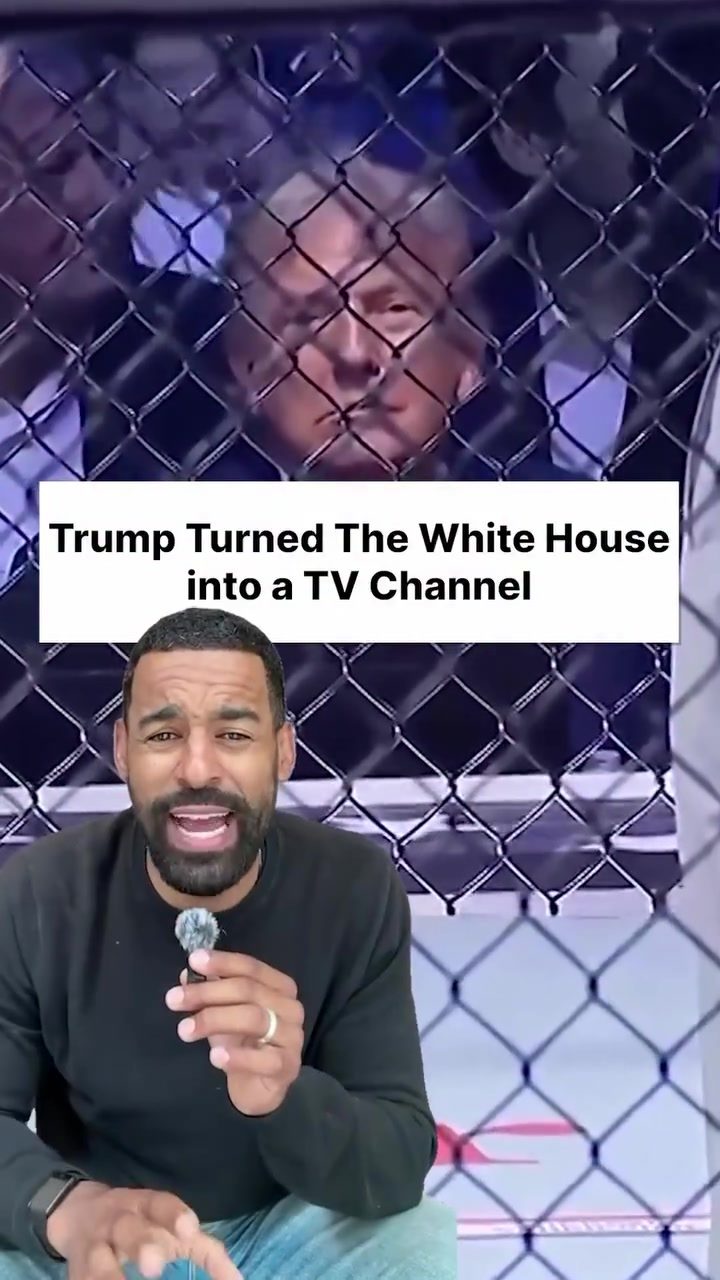
Political Content Strategies: Trump's Media-Savvy Presidency
Trump's tenure in the White House brought about a significant shift in how political events and media are managed. He leveraged the White House as a strategic tool for content creation and distribution, turning it into a powerful content engine. This approach, while effective from a business standpoint, raises questions about the appropriate use of such strategies in political and symbolic institutions.
The White House as a Content Engine
Live events have evolved beyond their traditional roles; they are now integral to distribution strategies. This shift was notably demonstrated by Netflix's approach to major events. For instance, the Jake Paul and Mike Tyson fight was more than just a boxing match—it was a global streaming event that attracted over 100 million viewers in a single night. Similarly, NFL games on Christmas Day became major streaming events, and Fanatics Fest transformed fan appreciation into a content and commerce machine.
In this new paradigm, the event itself is no longer the end product; it is the acquisition tool. The objective is to create a moment, own the stage, and leverage external distribution. This strategy aligns perfectly with how media companies operate. Trump's presidency exemplified this playbook, using the White House as the set, UFC fights as content, and controversies as marketing tools. The attention generated became a valuable asset, a model that many media companies have adopted.
The Symbolism of the White House
The White House is more than just a building; it is a symbol of diplomacy, leadership, and global influence. Historically, this institution represents the weight of decisions that impact every person on Earth. The ability to manufacture attention at an unprecedented scale is undeniable, but the question remains: should every institution leverage this ability?
The answer, at least from a symbolic and historical perspective, is no. Not every stage should be a content engine. Protecting certain institutions from the attention economy is crucial. Symbols should remain intact, retaining their deeper meanings and significance. The White House, with its rich history and global importance, should not be reduced to a media strategy tool.
The Media Strategy and Its Implications
From a pure media strategy standpoint, Trump's approach worked. The White House became a content hub, generating substantial attention and engagement. However, the implications of this strategy go beyond media metrics. The White House is not just a venue; it is a powerful symbol that resonates deeply with Americans and people worldwide.
The controversy surrounding this approach highlights a broader debate: should all institutions, especially those with significant historical and symbolic value, be transformed into content engines? The answer likely depends on one's perspective and values. While the business lesson is clear and valuable, the symbolic weight of the White House should not be underestimated.
Key Takeaways
- Evolution of Live Events: Live events have transitioned into strategic distribution tools, as seen with Netflix's Jake Paul and Mike Tyson fight and NFL games.
- Symbolic Significance: The White House, as a symbol of global leadership and diplomacy, should be protected from the attention economy.
- Media Strategy Insights: Trump's approach to media and content creation was effective but raises questions about the appropriateness of such strategies in symbolic institutions.
Practical Tips for Institutions
For institutions considering a similar approach, it is important to balance media strategy with symbolic significance. Here are some practical tips:
- Understand the Symbolism: Recognize the deeper meaning and historical significance of the institution.
- Balance Media and Symbolism: Use media strategies to enhance visibility and engagement while preserving the institution's core values and symbolic importance.
- Engage Responsibly: Be mindful of how media strategies can impact public perception and institutional integrity.
Conclusion
Trump's use of the White House as a content engine showcases a powerful media strategy that aligns with modern distribution techniques. However, it also underscores the need to protect the symbolic significance of institutions. While the business lessons are valuable, the broader implications of turning symbolic venues into content hubs must be carefully considered. Every industry and business model has hidden opportunities, and understanding how to leverage them responsibly is key to long-term success.
Watch the Reel
Questions readers ask
How did Trump transform the White House into a content engine?
Trump utilized the White House as a hub for creating and distributing media content, turning political events into highly publicized spectacles. This involved frequent press conferences, social media posts, and staged events to keep the news cycle focused on his agenda. By doing so, he ensured the White House was always at the center of media attention, maximizing its role in shaping public narratives.
What were some of the key strategies in Trump's media strategy?
Trump's media strategy involved leveraging live events, social media, and traditional press conferences to ensure his messaging was always at the forefront. He transformed political events into media spectacles, often using them to bypass traditional media outlets and engage directly with the public. This approach helped him control the narrative and maintain a steady flow of content to keep his base engaged.
How did Trump's approach influence the relationship between politics and media?
Trump's innovative use of the White House as a content engine changed the dynamics between politics and media. By turning political events into media spectacles, he increased the media's reliance on him for content, thereby influencing news cycles and media coverage. This strategy also sparked debate about the appropriateness of such media-savvy tactics within the traditional political and symbolic institutions of the White House.
What role did live events play in Trump's content distribution strategy?
Live events became a cornerstone of Trump's content distribution. They were used to generate real-time media coverage and engagement, turning political announcements and events into must-watch spectacles. This approach ensured that his messaging reached a wide audience and kept the public's attention focused on his activities and initiatives. Examples include his frequent rallies, press conferences, and surprise announcements.
How did Trump's media strategy impact the news cycle?
Trump's media strategy significantly impacted the news cycle by creating a constant flow of content and controversy. His approach ensured that he and his administration were always in the headlines, whether through planned press events or unplanned controversies. This kept the public engaged and ensured his messaging remained at the forefront of media discussions. However, it also raised questions about the balance between media savviness and the historical significance of presidential conduct.
What were some of the tools Trump used for political messaging?
Trump employed a variety of tools for political messaging, including social media platforms like Twitter, traditional press conferences, and staged events. These tools allowed him to communicate directly with the public, bypassing traditional media filters. By using these tools effectively, he was able to control the narrative and ensure his messages reached a broad audience, often shaping the media coverage in his favor.
Related deep dives
Similar reads based on topic and creator.
Recent articles
Fresh deep dives from the latest Reels we unpacked.




Comments
Be the first to comment.