Political Commentary: Understanding Trump's Business Tax Joke
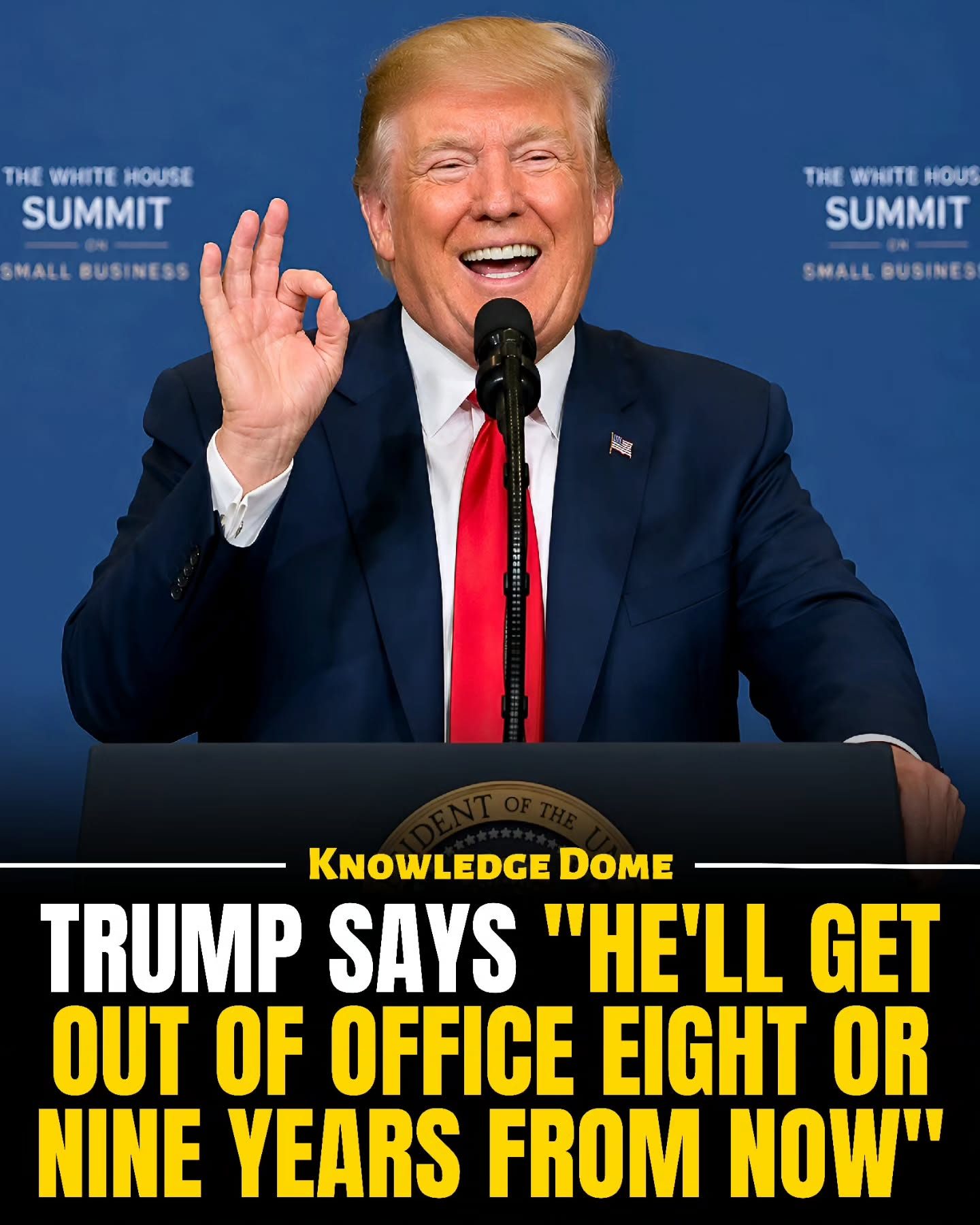
Donald Trump's remarks during a White House Small Business Summit sparked widespread attention and debate. The joke about business tax breaks and his potential future use of the policy has been a hot topic. Let’s dive into the context and implications of this political commentary.
Context / Why this matters
Trump's joke was made during a policy discussion on business tax breaks. Specifically, he referenced a policy that allows companies to deduct 100% of equipment costs right away for a decade. This policy aims to encourage businesses to invest in new equipment by providing immediate tax benefits. The joke itself involved Trump humorously suggesting that if this policy lasts long enough, he might be able to benefit from it even after leaving office in "eight or nine years."
The reaction to Trump's comment was mixed. Some people found it amusing, while others criticized it for its implications. Major media outlets reported that Trump intended the remark as a joke, and the room reacted with laughter. However, the idea of a president serving beyond the two-term limit set by the 22nd Amendment is constitutionally and politically significant.
Main discussion
The Policy and Its Implications
The policy Trump referenced allows businesses to deduct 100% of the cost of new equipment immediately, rather than over several years. This immediate deduction can significantly reduce a company's taxable income in the year of purchase, providing a strong incentive for capital investment. For businesses, this means the ability to update and expand their operations more quickly, potentially leading to increased productivity and economic growth.
The policy's impact on the economy is multifaceted. By encouraging businesses to invest in new equipment, the government hopes to stimulate economic activity and job creation. Companies with up-to-date equipment are often more efficient and productive, which can lead to higher profits and increased hiring.
However, the policy also has its critics. Some argue that it primarily benefits larger corporations that have the capital to invest in new equipment, potentially widening the gap between small and large businesses. Additionally, there are concerns about the long-term budgetary impact, as immediate deductions reduce tax revenue in the short term.
Constitutional and Political Considerations
Trump's humorous suggestion about staying in office for an extended period raises important constitutional and political questions. The 22nd Amendment to the U.S. Constitution limits a president to two elected terms. This amendment was ratified in 1951, largely as a response to Franklin D. Roosevelt's unprecedented four terms in office. Changing this rule would require a lengthy and complex legal process, involving amendments to the Constitution, which would need approval from two-thirds of both the House and the Senate, followed by ratification by three-fourths of the states.
The idea of a third term for a president is not unprecedented in history, but it is highly controversial in the U.S. The implications of extending presidential terms are far-reaching. Some argue that longer terms could provide more stability and continuity in policy-making, while others fear that it could lead to authoritarian tendencies and a concentration of power.
Public Reaction and Media Coverage
Trump's joke sparked a variety of reactions across social media and news outlets. While some found the remark funny and took it as a light-hearted comment, others saw it as a troubling indication. Memes and parodies quickly circulated online, reflecting the mixed emotions and interpretations of the joke. Some major media outlets reported that Trump was clearly joking, noting the laughter in the room, while others focused on the underlying message and its potential implications.
The public reaction highlights the ongoing debate about presidential power and the limits of political humor. In a politically charged environment, even a seemingly innocuous joke can become a flashpoint for broader discussions about leadership, accountability, and the rule of law.
Practical tips
Understanding the context and implications of political commentary involves several key steps:
Stay Informed
Staying updated on current events and policy discussions is crucial. Follow reliable news sources and engage with diverse perspectives to get a well-rounded view of the issues. Understanding the policy behind Trump's joke—the immediate deduction of equipment costs for businesses—requires delving into economic and fiscal policies.
Analyze Context
Consider the context in which comments are made. Political statements and jokes are often part of a larger conversation and may carry deeper meanings or implications. Analyze the setting, audience, and potential motivations behind the remarks. Understanding the 22nd Amendment and its significance in U.S. political history provides valuable context for interpreting Trump's joke.
Critical Thinking
Develop critical thinking skills to evaluate political commentary. Recognize the difference between intended humor and potential underlying messages. Assess the credibility of sources and the reliability of information, especially when it comes to controversial or sensitive topics.
Engage in Dialogue
Engage in respectful dialogue with others who have different viewpoints. Political commentary often sparks debate, and engaging in discussions can help clarify positions, challenge assumptions, and foster a deeper understanding of complex issues. Be open to listening to opposing views and considering alternative perspectives.
Important takeaways
Policy and Economic Impact
Trump's joke highlighted an important business tax policy that encourages equipment investment. This policy can have significant economic implications, promoting business efficiency and productivity.
Constitutional Limits
The 22nd Amendment sets clear limits on presidential terms, and any attempt to change this would face substantial legal and political hurdles. Understanding the constitutional framework is essential for evaluating political commentary.
Public and Media Reaction
Public reactions to political commentary can vary widely. Stay informed about media coverage and public debates to gain a comprehensive view of the issues at hand.
The Power of Political Humor
Political humor can be a double-edged sword, providing entertainment and insight while also sparking controversy. It's essential to evaluate the context and potential implications of such remarks.
Conclusion
Trump's joke about business tax breaks during the White House Small Business Summit opens a window into the complex interplay of policy, humor, and constitutional constraints. Understanding the underlying policy, the constitutional framework, and the public reaction provides valuable insights into contemporary political discourse. Whether viewed as light-hearted banter or a deeper reflection of political ambitions, the joke underscores the ongoing debate about leadership, accountability, and the limits of power.
Watch the Reel
Questions readers ask
What was the context of Donald Trump's joke at the White House Summit that sparked a debate on term limits?
During the White House Small Business Summit, Trump made a joke about a specific tax policy that allows companies to deduct 100% of equipment costs right away for a decade. He humorously suggested that if this policy lasted long enough, he might benefit from it after leaving office. This joke about future benefits indirectly touched on the idea of presidential term limits.
Why is Trump's joke about tax policy related to the debate on presidential term limits?
Trump's joke about benefiting from a tax policy in the future opened a discussion about the potential for presidents to serve beyond the current two-term limit or even take advantage of certain policies after leaving office. The joke provoked conversations about pushing the boundaries of term limits and their political implications.
What did Trump joke about during the White House Summit?
During the White House Summit, Trump joked about potentially benefiting from a specific tax policy in the future. The tax policy in question allows companies to deduct 100% of equipment costs right away for a decade, encouraging businesses to invest in new equipment. Trump humorously suggested that he might be able to benefit from the policy if it lasts long enough.
What implications does Trump's joke about post-presidency benefits have on the political landscape?
Trump's joke about post-presidency benefits has sparked discussions about the potential for presidents to serve multiple terms or benefit from policies after leaving office. This has raised questions about the effectiveness of term limits and the political implications of removing them. The debate highlights the broader political and economic implications of term limits.
How did Trump's joke about a White House tax policy spark a debate on presidential term limits?
Trump's joke about potentially benefiting from a tax policy after he leaves office sparked a debate on presidential term limits by raising questions about the potential benefits of long-term or multiple-term presidencies. This humorously framed remark had people thinking about removing term limits and the implications of such a change on the political landscape.
What is the significance of the tax policy Trump referenced in his joke?
The tax policy Trump referenced in his joke allows companies to deduct 100% of equipment costs right away for a decade, providing an immediate tax benefit. This policy is designed to encourage businesses to invest in new equipment, and Trump's joke about benefiting from it in the future has sparked broader discussions about term limits and the potential for presidents to serve beyond two terms.
What are Trump's jokes about term limits?
Trump's jokes about term limits generally involve humorous references to serving beyond the two-term limit or benefiting from specific policies long after leaving office. His joke at the White House Summit involved suggesting that he might benefit from a tax policy if it lasted long enough, which has sparked discussions about the implications of removing term limits and the potential for long-term or multiple-term presidencies.
Recent articles
Fresh deep dives from the latest Reels we unpacked.




Comments
Be the first to comment.