The Strait of Hormuz and Its Geopolitical Importance
The Strait of Hormuz is a critical waterway in the Middle East, connecting the Persian Gulf to the Gulf of Oman and the Arabian Sea. Recent geopolitical events, particularly involving Iran and the United States, have once again brought this narrow passage to the forefront of international attention.
Why This Matters
The Strait of Hormuz is a lifeline for global energy markets, with about 20% of the world's oil and a significant portion of its liquefied natural gas (LNG) passing through it daily. Any disruption in this waterway can have far-reaching consequences, affecting oil prices, global energy security, and geopolitical stability.
Understanding the Strait of Hormuz
Geographical Significance
The Strait of Hormuz is a narrow passageway, only about 34 kilometers wide at its narrowest point. It is bordered by Iran to the north and the United Arab Emirates and Musandam (an exclave of Oman) to the south. Its strategic importance lies in its role as a key transit route for oil and gas from the Persian Gulf to global markets.
Economic Importance
The Strait of Hormuz is a crucial economic artery, enabling the flow of a significant portion of the world’s oil and natural gas. The Persian Gulf nations, including Saudi Arabia, Iran, the United Arab Emirates, and Kuwait, rely heavily on this waterway to export their hydrocarbon products.
Geopolitical Tensions
Historically, the Strait of Hormuz has been a flashpoint for geopolitical tensions, particularly between the United States and Iran. The waterway’s strategic significance makes it a focal point for military and political maneuvering, with various actors often using it as a lever in broader geopolitical disputes.
Recent Developments
Iran's Announcement
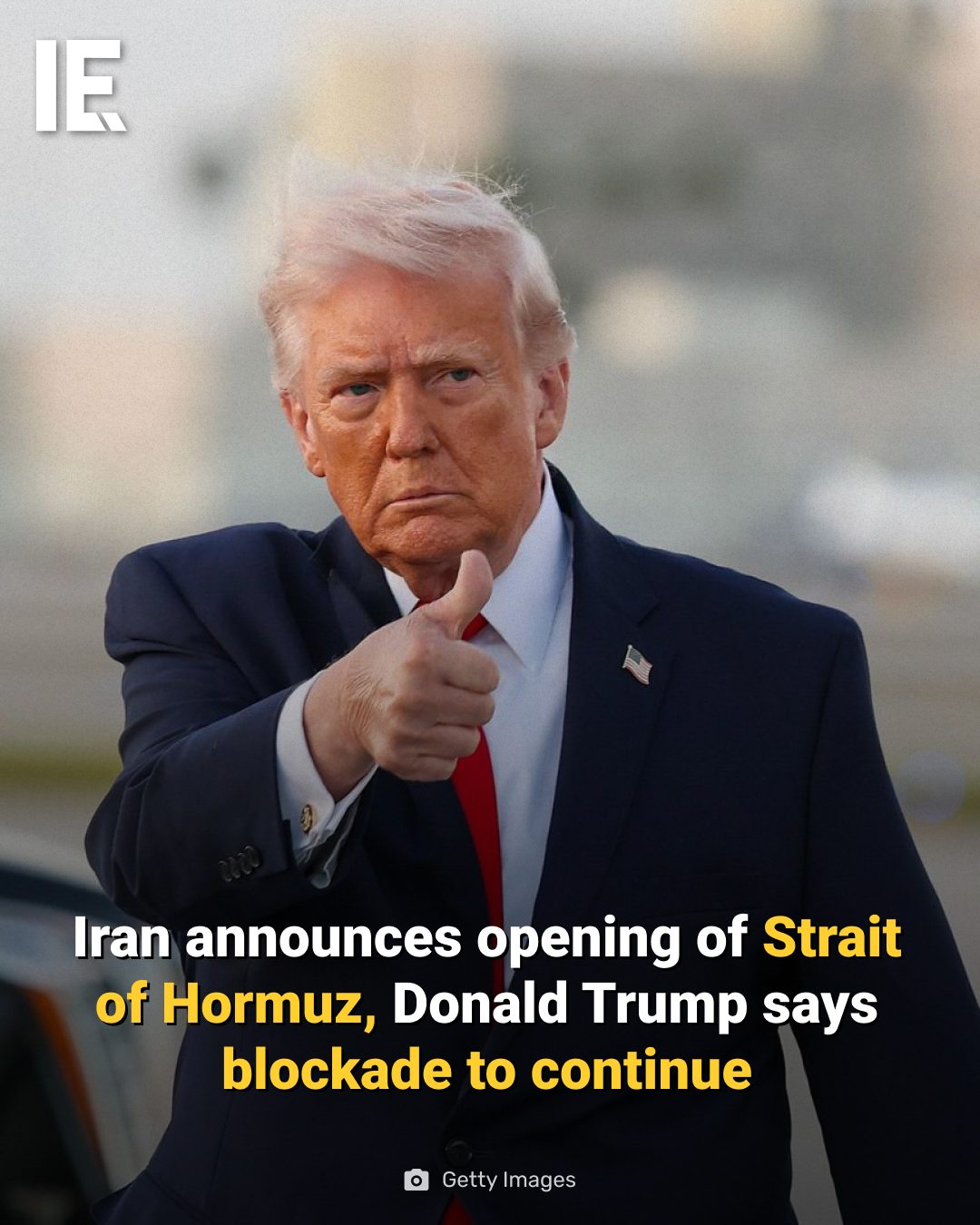
Iran has announced that the Strait of Hormuz is now open during the ceasefire, which has sent oil prices sharply lower. This move comes as part of a broader geopolitical strategy aimed at easing tensions and stabilizing the region. However, the ongoing U.S. pressure on Iran continues to cast a shadow over the situation, ensuring that the Strait of Hormuz remains a critical area of interest.
Trump's Statement
Donald Trump's statement, pointing directly at the viewer with a serious expression, emphasized that the blockade on Iran will continue. His remarks underscore the ongoing U.S. policy of applying economic and political pressure on Iran, highlighting the broader geopolitical dynamics at play in the region.
Practical Tips for Understanding Global Energy Markets
Stay Informed
Given the Strait of Hormuz’s central role in global energy markets, staying informed about the geopolitical developments in the region is crucial. Follow reliable news sources and expert analyses to understand the potential impacts on oil and gas prices.
Diversify Energy Sources
For nations and businesses reliant on energy supplies from the Persian Gulf, diversifying energy sources can mitigate risks. Investing in renewable energy sources and exploring alternative supply routes can provide a buffer against disruptions in the Strait of Hormuz.
Risk Assessment
Companies involved in energy trading and logistics should conduct regular risk assessments. Understanding the potential for geopolitical disruptions and having contingency plans in place can help mitigate the impact of any sudden changes in the region.
Important Takeaways
Strategic Importance
The Strait of Hormuz remains a linchpin for global energy security, and any developments in the region, whether political, economic, or military, can have significant ripple effects worldwide.
Geopolitical Dynamics
The interplay between Iran and the United States, as well as other regional actors, continues to shape the future of the Strait of Hormuz. Understanding these dynamics is key to anticipating potential disruptions and planning accordingly.
Economic Implications
Oil and gas prices are intrinsically linked to the stability of the Strait of Hormuz. Fluctuations in the region can lead to sharp price movements, impacting global economies and energy markets.
Conclusion
The Strait of Hormuz, with its pivotal role in global energy markets, remains a focal point of geopolitical tensions. As Iran and the United States navigate their complex relationship, the waterway’s stability will continue to be a critical issue. For energy consumers and producers, staying informed and prepared is essential for navigating the ever-shifting landscape of global energy security.
Watch the Reel
Questions readers ask
What prompted the reopening of the Strait of Hormuz?
The Strait of Hormuz reopened following a ceasefire agreement. This agreement was reached between the relevant parties to restore stability in the region and ensure the free flow of global energy markets.
How has President Trump responded to the reopening of the Strait of Hormuz?
President Trump has not made a public statement on this topic. You might want to check his social media or the White House briefings for updates.
What is the significance of the Strait of Hormuz for global energy markets?
The Strait of Hormuz is crucial for global energy markets as it facilitates the passage of about 20% of the world's oil and a significant portion of its liquefied natural gas (LNG) daily. Disruptions in this waterway can have significant impacts on oil prices and global energy security.
What are the potential impacts of the Strait of Hormuz reopening on oil prices?
The reopening of the Strait of Hormuz is likely to stabilize oil prices by ensuring the smooth flow of oil supplies. Reduced tensions in the region could also lead to a decrease in the price of oil, as concerns about supply disruptions diminish.
How does the reopening of the Strait of Hormuz affect geopolitical stability?
The reopening of the Strait of Hormuz contributes to geopolitical stability by reducing the risk of conflicts in the region. It also signals a commitment to maintaining open and secure trade routes, which is beneficial for international relations and global trade.
What role does the ceasefire play in the reopening of the Strait of Hormuz?
The ceasefire is instrumental in the reopening of the Strait of Hormuz as it halts military activities and creates an environment conducive to diplomatic resolutions. It helps in restoring confidence among the parties involved and ensures the safe passage of vessels through the waterway.
Recent articles
Fresh deep dives from the latest Reels we unpacked.




Comments
Be the first to comment.