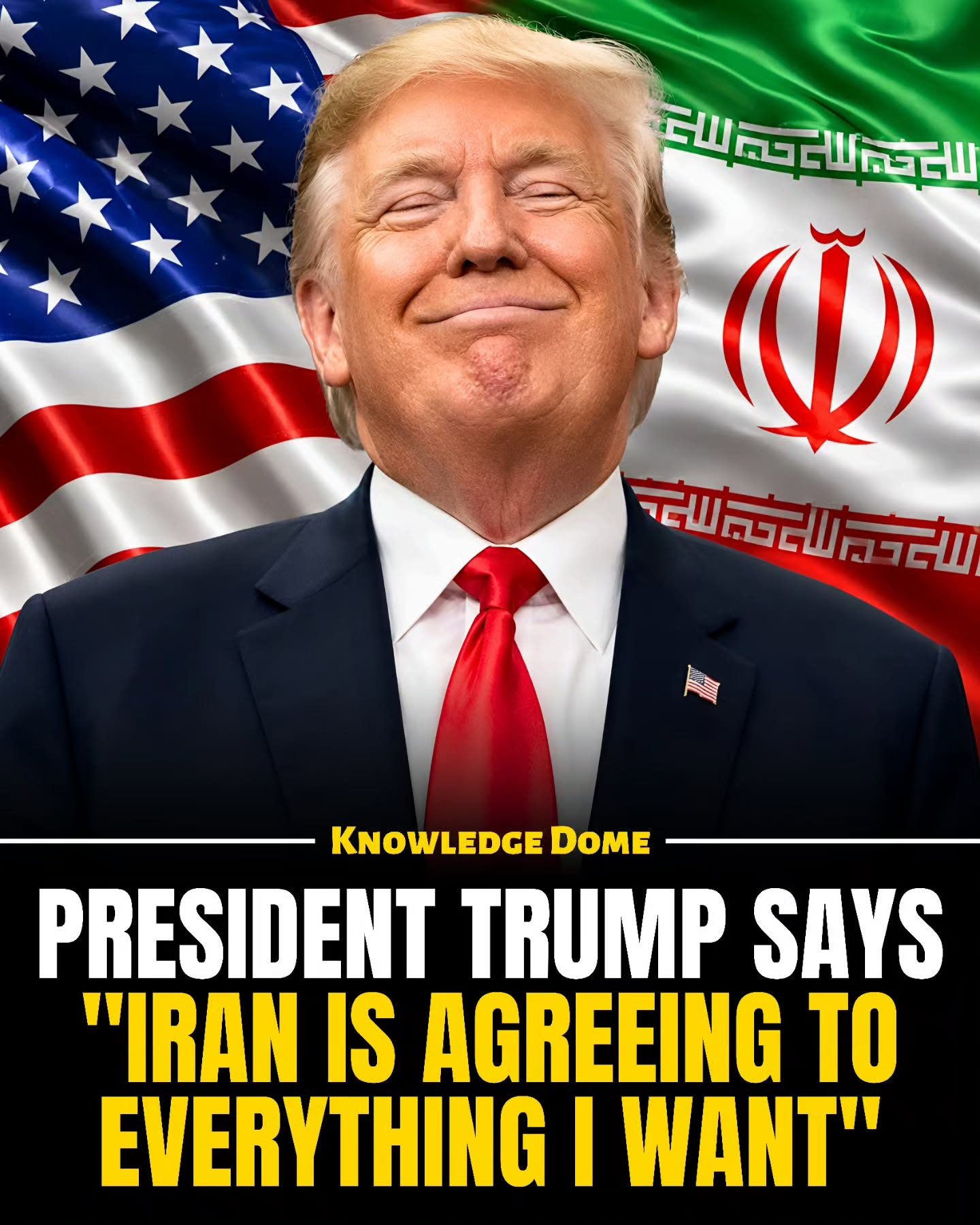
The Intricacies of U.S.-Iran Talks: Trump's Statements and the Nuclear Deal
Introduction
The comments made by former President Donald Trump on June 24, 2026, have sparked significant attention and debate in the context of ongoing negotiations between the United States and Iran. The political meme circulating around these statements highlights the complex and often contentious nature of these discussions, which have been marked by tensions and military conflicts.
Context / Why this Matters
The U.S.-Iran talks have been a focal point of international diplomacy, particularly due to Iran's nuclear program and its strategic significance in the Middle East. Understanding the intricacies of these negotiations is crucial for grasping the broader implications for global security and regional stability.
Main Discussion
The Nuclear Inspection Debate
Trump's assertion that Iran is "agreeing to everything" he wants includes the claim that Iran has agreed to allow international nuclear inspectors back into the country and to accept strict checks on its nuclear sites. This point is pivotal in the negotiations, as it pertains directly to the monitoring and verification of Iran's nuclear activities.
However, Reuters reports a different narrative. Iran has publicly stated that it has not agreed to full inspection access, particularly within military sites. This discrepancy highlights the significant gap between the United States' and Iran's interpretations of the agreements, indicating that while progress is being made, there are still critical issues to resolve.
The Strait of Hormuz and Maritime Security
One of the most contentious issues in the negotiations is the Strait of Hormuz, a crucial shipping route for global oil trade. The early draft deal mentioned by Reuters suggests that the waterway would be reopened, which would be a significant development in easing regional tensions and ensuring the free flow of maritime traffic.
However, there are lingering disagreements over the specifics of how this deal would be implemented. Key points of contention include the status of frozen Iranian assets, the lifting of economic sanctions, and the practical mechanisms for enforcing the agreement.
Military and Political Dynamics
The backdrop of these negotiations is weeks of tension and military conflict, adding another layer of complexity to the diplomatic efforts. Trump’s comments suggest a willingness to escalate military action if Iran does not comply with the agreed-upon terms. This approach underscores the delicate balance between diplomatic engagement and military readiness, a common theme in international relations.
Republican Criticism and Political Pressure
Some Republican lawmakers have criticized the deal, arguing that it does not go far enough in addressing Iran's nuclear ambitions. This criticism reflects broader political pressures within the United States, where different factions have varying views on the best approach to dealing with Iran. These internal political dynamics can influence the negotiation process and the eventual outcome of the talks.
Practical Tips
For those following the U.S.-Iran negotiations, it is essential to stay informed about the key issues and the evolving stances of both sides. Here are some practical tips for staying updated:
- Follow reliable news sources that provide comprehensive coverage of the negotiations. Official statements from both countries, as well as reports from reputable news agencies like Reuters, can offer valuable insights.
- Pay attention to the statements made by key political figures and diplomats. Their public remarks can often reveal the broader strategic thinking and potential shifts in negotiations.
- Keep an eye on the developments surrounding the Strait of Hormuz, as its status can have significant implications for global energy markets and maritime security.
Important Takeaways
- Nuclear Inspections: There is a clear gap between the U.S. and Iran regarding the extent of nuclear inspections, particularly within military sites.
- Strait of Hormuz: The reopening of this critical waterway is a significant point in the negotiations, but details on implementation remain unresolved.
- Political Pressure: Internal political dynamics in the U.S. play a crucial role in shaping the negotiating stance.
- Military Readiness: The threat of military action remains a significant factor in the negotiations.
Conclusion
The negotiations between the United States and Iran are fraught with complexities and significant geopolitical implications. Understanding the nuances of these talks, particularly the disagreements over nuclear inspections and the Strait of Hormuz, is essential for grasping the broader impact on global security. As the situation evolves, staying informed and keeping an eye on the key issues and political pressures will be crucial for a comprehensive understanding of the ongoing diplomatic efforts.
Watch the Reel
Questions readers ask
What were the key points of Trump's statements regarding Iran's nuclear inspections?
Trump's statements on June 24, 2026, highlighted what he perceived as significant concessions by Iran on nuclear inspections. He claimed that Iran had agreed to more stringent inspection protocols, which could potentially provide greater transparency into its nuclear activities. However, these claims have been met with skepticism and require further verification from independent sources.
How have Trump's comments affected the ongoing U.S.-Iran negotiations?
Trump's remarks have injected a layer of complexity into the already delicate U.S.-Iran negotiations. They have sparked debate and could influence the negotiating positions of both sides, potentially affecting the outcome and the pace of the talks.
What is the significance of Iran's maritime security in the context of these negotiations?
Maritime security is a critical aspect of the negotiations, as Iran's activities in the Persian Gulf and the Strait of Hormuz have significant implications for global trade and security. Trump's claims about Iranian concessions in this area could impact the broader discussions on regional stability and the safety of international shipping lanes.
What are the broader implications of the U.S.-Iran talks for global security?
The U.S.-Iran talks have far-reaching implications for global security, particularly in the Middle East. The outcome of these negotiations could influence the dynamics of regional conflicts, the proliferation of nuclear weapons, and the stability of global energy markets. Understanding these implications is crucial for policymakers and stakeholders worldwide.
How have Trump's claims about Iranian concessions been received by other stakeholders?
Trump's claims about Iranian concessions have been met with a mix of reactions. Some stakeholders have welcomed the potential progress, while others have expressed caution and skepticism, calling for independent verification and further details. The international community, including allies and adversaries, is closely monitoring these developments.
What role do sanctions play in the context of the Iran nuclear deal?
Sanctions have been a pivotal tool in the U.S. strategy towards Iran's nuclear program. They have been used to pressure Iran into negotiations and to enforce compliance with the nuclear deal. The lifting or imposition of sanctions is often a contentious issue in the talks, with both sides seeking to balance security concerns with economic interests.
How have military conflicts influenced the U.S.-Iran negotiations?
Military conflicts, particularly those involving Iran and other regional actors, have added layers of complexity to the U.S.-Iran negotiations. These conflicts can escalate tensions, making it more challenging to reach a diplomatic resolution. Conversely, they can also create opportunities for de-escalation and dialogue, depending on how the negotiations proceed.
Recent articles
Fresh deep dives from the latest Reels we unpacked.




Comments
Be the first to comment.