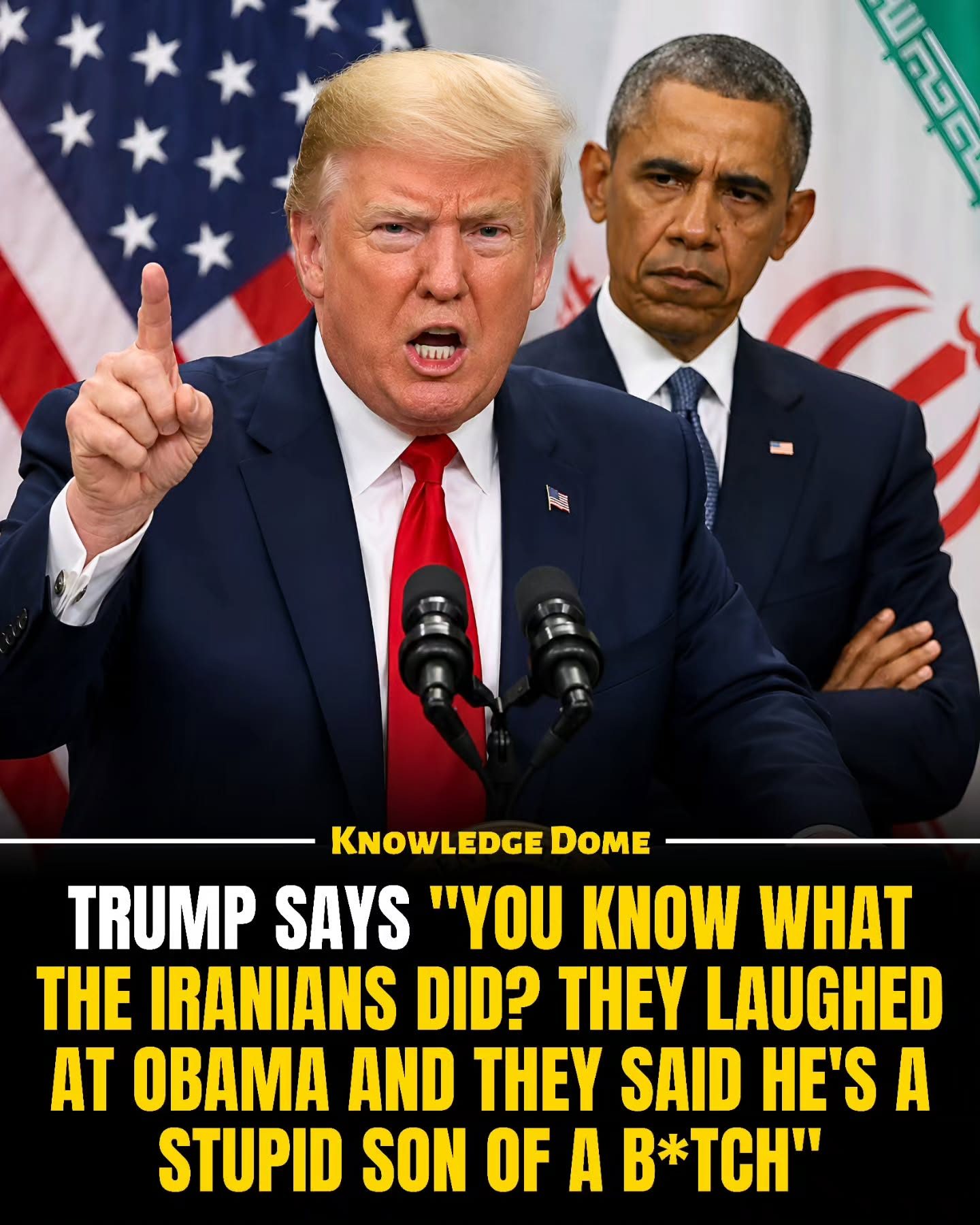
The Iran Nuclear Deal: Trump's Critique of the JCPOA
President Donald Trump's strong words on Iran and the old Iran nuclear deal represented a significant shift in U.S. policy. The new framework he defended during his remarks highlighted persistent concerns over Iran's nuclear ambitions, and framed the situation as fundamentally different from the Obama era's approach. His comments sparked controversy and debate, both from political opponents and allies, as they were characterised by their harsh tone and directness.
Context / Why this matters
The Joint Comprehensive Plan of Action (JCPOA), also known as the Iran Nuclear Deal, was a landmark agreement reached in 2015 under the Obama administration. The deal aimed to curb Iran's nuclear program by lifting economic sanctions in exchange for Tehran's commitment to limit its nuclear activities and allow international inspections. Trump's administration withdrew from the JCPOA in 2018, citing concerns over Iran's non-compliance and the deal's perceived weaknesses. His critique of the JCPOA and the broader policy towards Iran has shaped U.S. foreign policy and fueled international tensions.
Trump's Critique of the JCPOA
Trump's remarks on Iran and the JCPOA were notably critical of the Obama-era approach. He asserted that Iran did not respect former President Barack Obama and highlighted the regime's perceived disdain for the U.S. under his leadership. He claimed that Iranians had even mocked Obama directly, suggesting a lack of respect and seriousness in negotiations.
A Harsh Critique: The Obama Years
Trump was particularly critical of the JCPOA, arguing that it was handled poorly and that Iran had taken advantage of the situation. He implied that the deal was too lenient and did not sufficiently curb Iran's nuclear ambitions. According to Trump, Iran was able to continue developing its nuclear capabilities while reaping the benefits of lifted economic sanctions.
Points of Comparison
Trump contrasted his new framework with the JCPOA on several points:
- Strength and Enforcement: Trump claimed that the new approach was stronger and more effective in curbing Iran's nuclear activities. He suggested that his administration had implemented stricter controls and more robust enforcement mechanisms.
- Economic Sanctions: Unlike the JCPOA, which lifted sanctions in exchange for Iranian concessions, Trump's approach prioritized maintaining economic pressure on Iran. He argued that this strategy was more effective in pushing Iran to comply with international demands.
- Diplomatic Isolation: Trump's administration sought to isolate Iran diplomatically, cutting off its access to the international community and financial systems. This approach aimed to increase the pressure on Iran's regime and limit its ability to fund its nuclear program.
The Impact on U.S.-Iran Relations
Trump's critique of the JCPOA and his new approach to Iran have had significant implications for U.S.-Iran relations. The withdrawal from the JCPOA and the reimposition of economic sanctions have strained ties between the two countries, leading to heightened tensions and increased military posturing.
Diplomatic Consequences
The U.S. withdrawal from the JCPOA has also had broader diplomatic consequences, as it has fractured the international consensus on how to handle Iran. While some U.S. allies, such as Israel and Saudi Arabia, have supported Trump's tough stance on Iran, other countries, including European nations and China, have criticized it.
Military Consequences
The escalating tensions between the U.S. and Iran have also raised concerns about the potential for military conflict. In recent years, there have been several incidents of heightened tensions, including the downing of a U.S. drone by Iran and a series of mysterious explosions at Iranian nuclear facilities.
Practical tips
For those seeking to understand the complexities of U.S.-Iran relations and the nuances of the JCPOA, it is essential to approach the topic with a critical eye. Here are some practical tips for navigating the debate:
- Educate Yourself: Read widely on the topic, seeking out reliable sources and divergent viewpoints. This will help you form a more nuanced understanding of the issue.
- Consider Multiple Perspectives: Engage with viewpoints from different stakeholders, including U.S. policymakers, Iranian officials, and international experts. This will provide a more comprehensive understanding of the issues at play.
- Focus on Facts: Avoid relying on rhetoric or partisan narratives. Instead, focus on the facts and evidence at hand. This will help you develop a more objective and informed perspective.
- Stay Updated: Keep up-to-date with the latest developments in U.S.-Iran relations. The situation is dynamic, and new information can emerge quickly.
Important takeaways
- The JCPOA was a complex and controversial agreement that aimed to curtail Iran's nuclear ambitions in exchange for lifting economic sanctions. Trump's administration withdrew from the deal, arguing that it was too lenient and did not adequately address Iran's nuclear activities.
- Trump's new approach to Iran prioritized maintaining economic pressure and diplomatic isolation, arguing that this would be more effective in curbing Iran's nuclear ambitions and pushing it to comply with international demands.
- The withdrawal from the JCPOA and the reimposition of economic sanctions have strained U.S.-Iran relations, leading to heightened tensions and increased military posturing. It has also fractured the international consensus on how to handle Iran, with some allies supporting Trump's tough stance and others criticizing it.
- Understanding the complexities of U.S.-Iran relations and the nuances of the JCPOA requires a critical and informed approach, seeking out reliable sources and divergent viewpoints, considering multiple perspectives, focusing on facts, and staying updated on the latest developments.
Conclusion
The Iran nuclear deal remains a contentious issue in international politics. Trump's critique of the JCPOA and his new approach to Iran have significantly altered the landscape of U.S.-Iran relations and strained ties between the two countries. As tensions continue to simmer, it is essential to remain informed and engaged, seeking out reliable sources and divergent viewpoints to develop a more nuanced understanding of the complexities at play.
Watch the Reel
Questions readers ask
What specific issues did Trump say made the Iran Nuclear Deal too lenient?
Trump's criticism of the Iran Nuclear Deal focused on several issues, including the gradual lifting of economic sanctions, the duration of the deal, and the inspection regimes. He argued that these aspects allowed Iran to continue developing nuclear technology and that the deal did not sufficiently restrict Iran's ability to pursue nuclear weapons.
How did Trump's stance on the Iran Nuclear Deal differ from Obama's approach?
Trump's approach to the Iran Nuclear Deal differed significantly from Obama's. While the Obama administration negotiated the JCPOA to curb Iran's nuclear program through economic incentives and diplomatic engagement, Trump argued that this approach had failed and had allowed Iran to mock U.S. policy. Trump favored a more confrontational stance, asserting that the deal did not adequately address Iran's nuclear ambitions and regional influence.
What was the significance of Trump's decision to withdraw the U.S. from the Iran Nuclear Deal?
Trump's decision to withdraw the U.S. from the JCPOA in 2018 marked a pivotal shift in U.S. policy toward Iran. It effectively ended U.S. participation in the agreement, reimposed economic sanctions on Iran, and escalated tensions between the two countries. The move also strained relations with European allies who remained committed to the deal, further complicating international diplomacy.
What evidence did Trump cite to support his claim that Iran had mocked the Obama Iran Deal?
Trump pointed to Iran's continued development of ballistic missiles and its alleged nuclear advances as evidence that the country had not upheld its end of the bargain. He also cited Iran's regional activities, including its support for groups like Hezbollah, as proof that the deal had not curbed Iran's broader ambitions.
How did the international community respond to Trump's critique and withdrawal from the Iran Nuclear Deal?
The international community's response to Trump's actions was mixed. While some allies, like Israel and Saudi Arabia, supported Trump's stance, others, including European countries and Russia, criticized the withdrawal. These countries remained committed to the JCPOA and worked to keep the deal alive despite U.S. sanctions, leading to ongoing diplomatic efforts to salvage the agreement.
What alternatives did Trump propose to the Iran Nuclear Deal and what steps did he take to address Iran’s nuclear ambitions?
Trump proposed a 'maximum pressure' campaign to counter Iran's nuclear ambitions, which involved re-imposing economic sanctions and enforcing stricter restrictions on Iran's oil exports and banking sector. He also advocated for a new, more stringent deal that would address not only Iran's nuclear program but also its ballistic missile development and regional activities. However, the administration's efforts to negotiate a new deal did not yield significant results.
Recent articles
Fresh deep dives from the latest Reels we unpacked.




Comments
Be the first to comment.