U.S. Economy and Job Market: Separating Fact from Fiction
When evaluating the state of the U.S. economy, it's crucial to look beyond headline figures. While the stock market may be hitting new all-time highs, the broader economic picture is more nuanced. This is particularly evident in the jobs market, where the unemployment rate tells a different story.
Context / Why This Matters
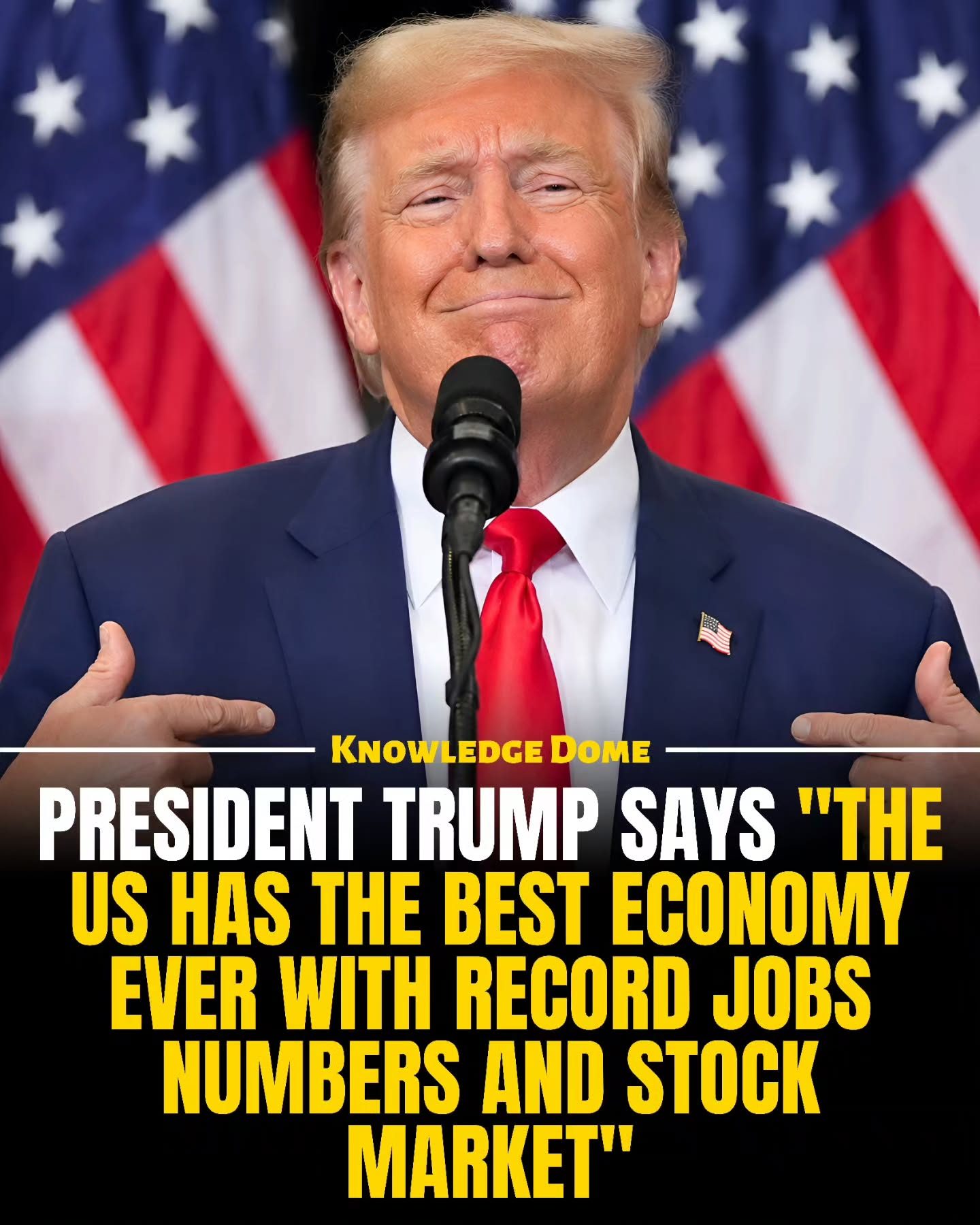
President Trump has claimed that the United States has the "best economy ever" with record jobs numbers and a booming stock market. At first glance, these claims seem supported by the strong performance of the stock market. However, the reality is more complex, and understanding this complexity is essential for a well-rounded perspective on the economy.
The Stock Market vs. the Jobs Market
Stock Market Performance
The stock market's performance is often cited as a key indicator of economic health. When the stock market is doing well, it suggests that businesses are confident and investing in growth. This confidence can lead to increased hiring and better economic conditions.
However, the stock market's performance does not always reflect the broader economy. It primarily represents the health of publicly traded companies, which may not be indicative of the overall job market or consumer spending.
Unemployment and Job Growth
The unemployment rate is a crucial metric for assessing the jobs market. As of the latest data, the unemployment rate stands at 4.3%. While this figure may seem low, it's important to put it into historical context. This rate means that more people are out of work than during some of the lowest points in U.S. history. For example, during the 1960s, the unemployment rate was consistently lower, sometimes dipping below 4% for extended periods.
The current unemployment rate suggests a steady but not exceptional labor market. It indicates that while the economy is stable, it is not at its strongest in terms of job creation and employment opportunities. The jobs market is more nuanced, with certain sectors experiencing growth while others face stagnation or decline.
Why the Discrepancy Matters
The discrepancy between a strong stock market and a more moderate jobs market highlights the importance of looking at multiple economic indicators. Relying on a single metric can lead to a skewed understanding of the economy. For instance, a strong stock market might suggest robust economic health, but if unemployment remains high, it indicates that many people are still struggling to find work.
Moreover, different economic sectors can experience varying levels of growth or decline. For example, the technology and healthcare sectors might be booming, while manufacturing and retail face challenges. Understanding these nuances is essential for policymakers, investors, and the general public to make informed decisions.
Practical Tips
When evaluating economic claims, here are some practical tips to keep in mind:
- Look Beyond Headline Figures: Don't rely solely on headline figures like the stock market's performance. Look at a range of economic indicators, including unemployment rates, job growth, and consumer spending.
- Consider Historical Context: Understand how current figures compare to historical data. This can provide a more accurate picture of the economy's current state.
- Examine Sector-Specific Data: Different sectors of the economy can experience varying levels of growth or decline. Look at sector-specific data to get a more nuanced understanding.
- Stay Informed: Follow reliable sources for economic data and analysis. This can help you stay informed about the latest trends and changes in the economy.
Important Takeaways
There are several key takeaways from this analysis:
- Stock Market Performance Alone: Do not rely on the stock market's performance alone to judge the economy. It's just one piece of the puzzle.
- Unemployment Rate: The unemployment rate is a crucial indicator. A higher unemployment rate suggests a more challenging job market, despite a booming stock market.
- Sector-Specific Variations: Different sectors experience varying levels of growth or decline. Understanding these nuances is essential for a comprehensive view of the economy.
- Critical Evaluation of Claims: Always critically evaluate economic claims. Look at multiple indicators and consider historical context for a more accurate assessment.
Conclusion
Evaluating the state of the U.S. economy requires looking beyond headline figures. While the stock market may be performing well, the jobs market tells a different story. The current unemployment rate indicates a steady but not exceptional labor market, highlighting the importance of considering multiple economic indicators. By understanding the nuances of the economy, people can make more informed decisions and better navigate the current economic landscape.
Watch the Reel
Questions readers ask
What specific metrics should I consider when evaluating the U.S. economy beyond stock market performance?
To gain a comprehensive understanding of the U.S. economy, consider factors such as unemployment rates, job growth in specific sectors, wage increases, and economic indicators like GDP growth. These metrics provide a more holistic view of the economy's health rather than relying solely on stock market performance.
How did the unemployment rate under Trump compare to historical trends?
During Trump's presidency, the unemployment rate reached historic lows, but this trend was built on a foundation of decreasing unemployment rates over the past decade. By the end of 2019, the unemployment rate was 3.5%, a near-record low, but it's essential to recognize that this trend started before Trump took office and continued during his term.
Why is it important to consider the broader economic picture when evaluating Trump's economic claims?
Considering the broader economic picture is crucial because it provides context and depth. For example, while the stock market may show significant gains, this does not always translate to widespread economic benefits. Factors such as income inequality, job quality, and economic growth distribution across different sectors paint a more accurate picture of the economy's state.
What were the key factors contributing to the strong stock market performance during Trump's presidency?
The strong stock market performance during Trump's presidency can be attributed to several factors, including tax cuts, deregulation, and fiscal stimulus. However, it's important to note that stock market gains do not necessarily reflect the broader economic conditions, as they often benefit investors rather than the average worker.
How did the job market perform under Trump, and what nuances should be considered?
The job market under Trump saw a continuation of job growth trends, with significant job additions in various sectors. However, nuances such as job quality, wage stagnation, and the distribution of job growth across different demographics need to be considered. For instance, while the number of jobs increased, the types of jobs and wage levels varied, affecting the overall economic impact.
What are some potential misconceptions about Trump's economic record?
One common misconception is that the strong economy under Trump was solely due to his policies. In reality, the economic growth was part of a longer trend that began before his presidency. Additionally, focusing solely on stock market performance can lead to an incomplete understanding of the economy, as it does not account for other critical factors such as unemployment, wage growth, and income inequality.
How can I verify the accuracy of economic claims made by politicians, including Trump's 'best economy ever' statement?
To verify the accuracy of economic claims, look at multiple, independent sources of data, such as the Bureau of Labor Statistics for unemployment rates, and the stock market reports. Analyze trends over time and compare them with historical data. Engage with reputable news outlets and expert analyses to gain a more balanced and comprehensive understanding of economic performance.
Recent articles
Fresh deep dives from the latest Reels we unpacked.




Comments
Be the first to comment.