The Shifting Tides of Youth Support for Donald Trump
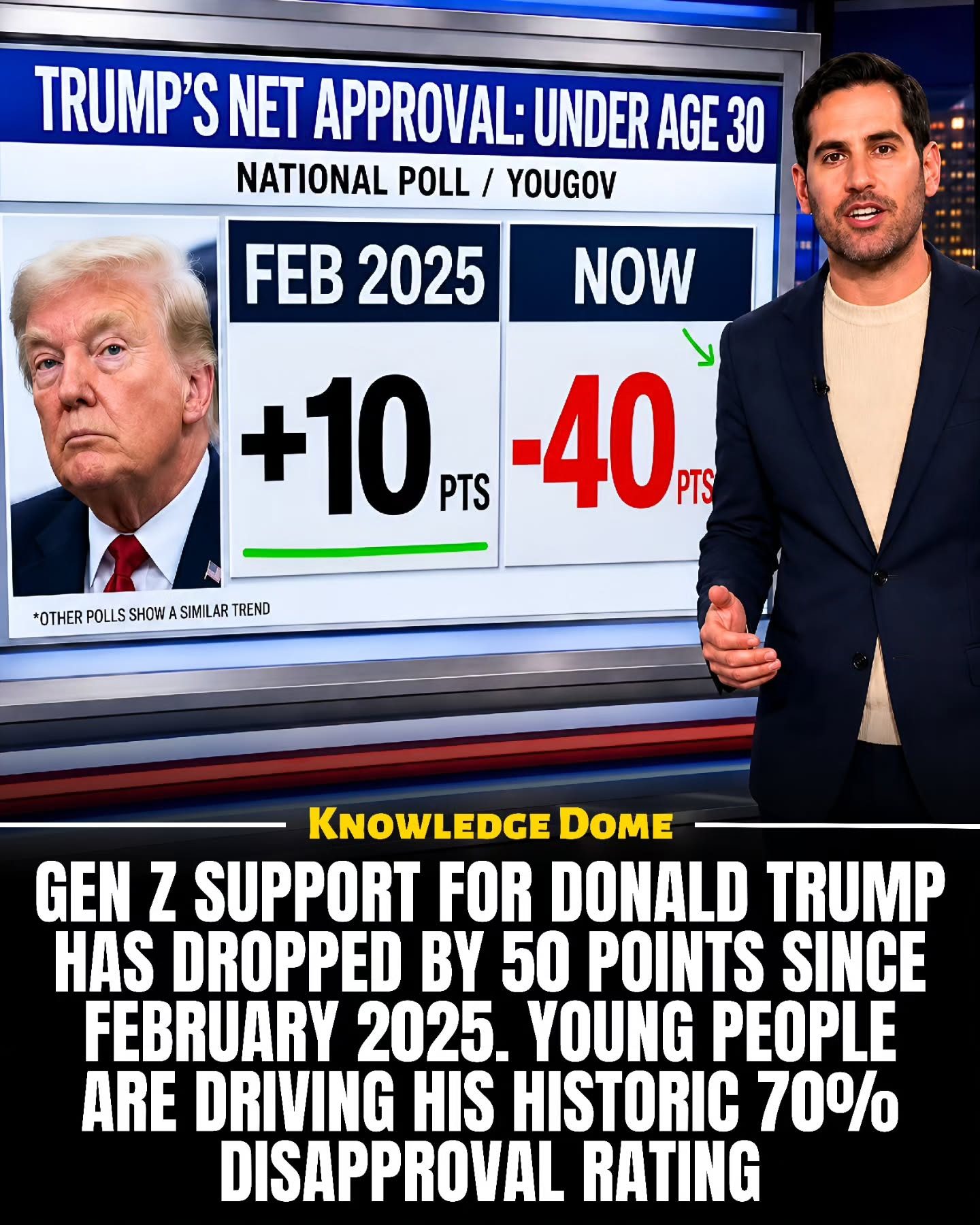
Recent national polls reveal a dramatic shift in the political landscape, particularly among younger voters. President Donald Trump, who saw a surge in support from Generation Z and voters under 30 during the 2024 election, has experienced a significant drop in approval ratings since early 2025. This change is driven by a combination of economic concerns, rising costs of living, and dissatisfaction with foreign policy.
Context: The Evolving Political Scene
The political climate has undergone a rapid transformation, with young voters increasingly focusing on everyday challenges. Issues such as housing, groceries, and fuel prices have become central to their concerns, and many blame Trump's administration for the handling of inflation and other economic pressures. Additionally, healthcare, climate change, and immigration have emerged as critical issues, adding to the growing dissatisfaction among young people.
Economic Concerns and Living Costs
One of the primary reasons for the decline in support is the high cost of living. Many young voters report that essential goods and services have become prohibitively expensive. They attribute this financial strain to Trump's economic policies, particularly his handling of inflation. The soaring prices of housing, groceries, and fuel have left many feeling the pinch, leading to a stark re-evaluation of their political allegiances.
Foreign Policy and International Relations
Beyond domestic issues, foreign policy has also played a significant role in the shift. Young voters are increasingly vocal about their disapproval of Trump's approach to international conflicts and global relations. This dissatisfaction has contributed to the overall decline in support, with many expressing frustration with the administration's handling of overseas situations.
Healthcare, Climate Change, and Immigration
Healthcare, climate change, and immigration are other critical issues driving the discontent among younger voters. Concerns about access to affordable healthcare, the urgency of addressing climate change, and the complexities of immigration policy have all factored into their disapproval of Trump. These issues highlight a growing awareness and activism among young people, who are increasingly prioritizing these matters in their political decisions.
The Impact of Economic Policies
To better understand the shift in economic policy preferences among younger voters, it's essential to examine the broader context. The economic policies implemented by the Trump administration have faced scrutiny, particularly in light of rising inflation and stagnant wages. Young voters, who often face higher levels of debt and lower job security, are particularly sensitive to these issues. The perceived lack of progress in addressing these economic challenges has led to a significant drop in support.
The Role of Healthcare
Healthcare remains a contentious issue, with many young voters expressing dissatisfaction with the current administration's approach. The cost of healthcare, access to affordable insurance, and the quality of care are all significant concerns. Many young people feel that the government's response to healthcare issues has been inadequate, leading to a sharp decline in support for Trump.
Climate Change and Environmental Concerns
Climate change has emerged as a critical issue for younger voters. The urgency of addressing environmental degradation and the need for sustainable policies have become central to their political views. Young people are increasingly demanding action on climate change, and the perceived lack of progress in this area has further eroded support for Trump.
Immigration and Border Control
Immigration and border control are other hot-button issues that have influenced young voters' opinions. The debate over immigration policies and the treatment of immigrants has become a focal point for many. Young people are divided on the specifics, but there is a growing consensus that the current administration's approach to immigration is problematic. This discontent has contributed to the overall decline in support for Trump.
Practical Tips for Navigating Political Views
Understanding the shift in political views among younger voters requires a nuanced approach. Here are some practical tips for navigating this changing landscape:
- Stay Informed: Keep up-to-date with the latest polls and surveys to understand the evolving sentiments of young voters. This knowledge can provide valuable insights into their concerns and priorities.
- Engage in Dialogue: Encourage open and respectful discussions about political issues. Engaging with young voters can help bridge the gap and foster a better understanding of their perspectives.
- Address Key Issues: Focus on the issues that matter most to younger voters, such as the economy, healthcare, climate change, and immigration. Addressing these concerns can help build trust and support.
Important Takeaways
- Economic Concerns: The high cost of living and dissatisfaction with economic policies have significantly impacted young voters' support for Trump.
- Healthcare: Issues related to healthcare, including access and affordability, are critical for younger voters.
- Climate Change: Environmental concerns and the need for sustainable policies are driving the political views of many young people.
- Foreign Policy: Dissatisfaction with the administration's handling of international conflicts and global relations has contributed to the decline in support.
- Immigration: The complexities of immigration policy and border control are also playing a significant role in shaping young voters' opinions.
Conclusion
The significant drop in support for Donald Trump among Generation Z and voters under 30 underscores a broader shift in political priorities. Economic concerns, healthcare, climate change, and immigration are driving the discontent, reflecting a growing awareness and activism among younger voters. Understanding these issues and addressing their concerns will be crucial for political leaders moving forward.
Watch the Reel
Questions readers ask
Why have young voters started to disapprove of Donald Trump in 2025?
Young voters who initially backed President Trump in 2024 have started to show disapproval in 2025 due to a combination of economic struggles, rising living costs, and dissatisfaction with the administration's handling of both domestic and foreign policies.
How have economic concerns impacted Trump's approval ratings among young voters?
Economic hardships, including high living costs and inflation, have led many young voters to question the administration's economic policies, leading to a significant drop in Trump's approval ratings among this demographic.
Which domestic and foreign policy issues have contributed to the drop in approval among young voters?
Issues such as housing affordability, rising grocery and fuel prices, and dissatisfaction with the administration's foreign policy have become central to young voters' concerns, driving their disapproval of Trump.
What do recent national polls indicate about young voter support for Trump?
Recent national polls reveal a dramatic shift in approval ratings, with young voters under 30 showing a significant drop in support for President Trump since early 2025, highlighting a change in the political landscape.
How have young voters' priorities shifted in the current political climate?
Young voters have transitioned their focus to everyday challenges, such as housing, groceries, and fuel prices, reflecting their immediate economic concerns and blaming Trump's administration for the handling of these issues.
What factors have contributed to the drop in Trump’s approval among young voters in 2025?
The drop in Trump's approval ratings among young voters can be attributed to a combination of economic struggles, dissatisfaction with the administration's policy handling and the rising cost of living, making immediate financial concerns a primary focus for this demographic.
How has the political climate for young voters changed since 2024?
Since 2024, the political climate for young voters has shifted significantly, with a growing emphasis on immediate economic concerns and dissatisfaction with Trump's administration, leading to a drop in his approval ratings among this demographic.
Recent articles
Fresh deep dives from the latest Reels we unpacked.




Comments
Be the first to comment.