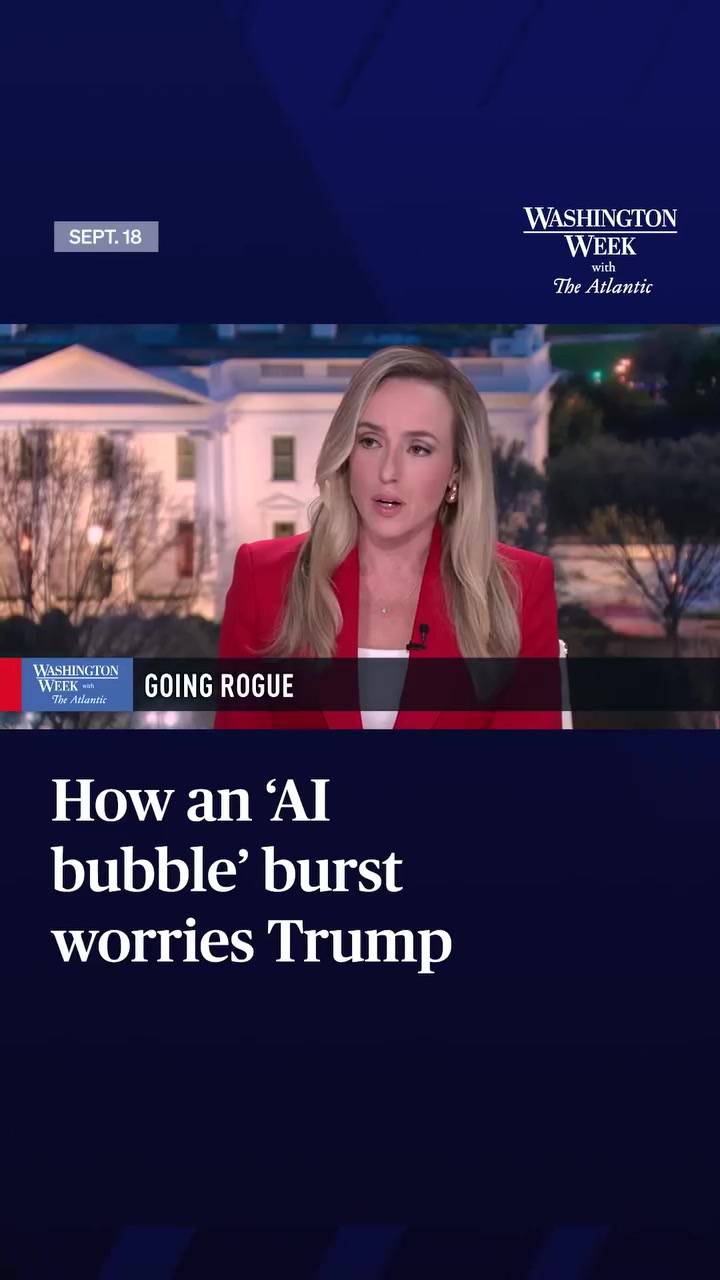
Making Sense of Trump's AI Regulation Dilemma
The Atlantic recently discussed the complexities of Donald Trump’s outlook on artificial intelligence (AI) regulation in an episode of Washington Week. The conversation highlighted a divide that captures a reality that extends across parties and the tech industry, too. Trump views the AI threat like climate change: a hoax. Yet, this stance clashes with the administration's ambitions to dominate the AI race economically and technologically, especially against China.
AI and Trump's America
In the ever-evolving landscape of emerging technology, AI stands as a double-edged sword. Trump's administration has been contradictory in its stance on AI. On one hand, Trump sees AI as a significant economic booster, especially with the rise of data centers and job creation. On the other, he remains skeptical about the potential threats posed by AI, echoing sentiments that align with his views on climate change, where he dismisses concerns as "fake news."
The AI Race Heats Up
Trump’s AI Economy Boost
Trump’s stance on AI boils down to economics. The narrative here is that AI could significantly bolster the economy. For Trump, the economy is king, and massive data centers require a lot of chips. The growing interest in AI is not just tech — it's also about jobs and economic growth. The President sees a strong correlation and causation between AI and economic prosperity. Do you agree with his stance? And yet, this approach is fraught with challenges and complexities.
Who benefits from AI? Your money, their growth?
The race for regulation dominance, especially with regard to the technology industry, has been a growing concern. The conflict of interest arises from the fact that chip manufacturers have a financial incentive to sell more, and that selling more could get China involved in the AI battlefront. NVIDIA's Jensen Wong is used as a prime example: his job is to sell the industry and grow revenue, perhaps at the expense of regulation. The argument here is that the bigger the company gets, the more influential it will be in creating regulations that favor its interests. Companies that lack the incentives of the leadership may have no idea what dangers and risks AI might pose.
From AI fear to AI regulation
The White House does not appear to be taking the threat of AI seriously due to the current political climate. After all, regulating AI could disrupt the tech industry's trajectory, which has been growing steadily. The potential destruction of billions of dollars is a possibility. With the impending midterm elections, the administration is strategizing on balancing their economic goals without incurring the wrath of AI catastrophists. The administration also seems to be treading a fine line on the matter, possibly because it is a sensitive political issue. An incident like this could hit the stock market, a critical concern for the current administration.
What To Do About It
AI continues to gain momentum, but uncertainties over safety and governance persist. For policymakers, the question of how to regulate emerging technologies remains unanswered. For the public, it entails information seeking, research, and the wisdom to always seek the guidance of professionals. The challenge for regulators is to navigate the balance between innovation and safety. Washington Week's take on AI regulation highlights the complexity of this issue, which extends beyond politics and into the realm of ethics, economics, and technological progress. With Trump’s dismissal of AI risks, the future of regulation remains unclear, but one thing is certain: the conversation is far from over.
Watch the Reel
Questions readers ask
Why does Trump view AI as a threat but still want to promote it economically?
Trump's views on AI are somewhat contradictory. He sees AI as a potential threat, likening it to a 'hoax' similar to his stance on climate change. However, his administration recognizes the economic benefits of AI, particularly in terms of job creation and economic growth, which is why they want to dominate the AI race, especially against China. This duality reflects a broader tension between acknowledging the risks of AI and leveraging its economic potential.
How does Trump's administration plan to balance economic growth with AI regulation?
The Trump administration is navigating a complex landscape. They aim to boost the economy through AI while avoiding the potential disruption that regulation might cause. This is particularly challenging as regulating AI could impact the tech industry's growth and the stock market, which are both critical concerns for the administration, especially with midterm elections looming.
What role do tech companies play in shaping AI regulation, and how might this be problematic?
Tech companies, particularly those involved in chip manufacturing, have a significant financial incentive to promote AI growth. This can lead to a conflict of interest where these companies influence regulations in ways that benefit their bottom line rather than addressing the potential risks of AI. For instance, companies like NVIDIA might push for regulations that favor their economic interests, potentially overlooking the broader implications of AI's development and use.
What are the economic benefits of AI that Trump's administration is focusing on?
Trump's administration sees AI as a key driver for economic growth. This includes the development of massive data centers, which require a lot of chips, and the potential for job creation in the tech sector. The administration believes that AI can significantly boost the economy, making it a crucial part of their strategy to maintain economic dominance, particularly in competition with China.
How does the political climate influence the administration's approach to AI regulation?
The current political climate, with midterm elections approaching, makes AI regulation a sensitive issue. The administration is cautious about implementing strict regulations that could disrupt the tech industry's growth and impact the stock market. This political pressure means they are treading carefully, balancing economic goals with the potential backlash from AI catastrophists who warn of the technology's dangers.
What are the economic concerns related to AI regulation, and how are they affecting policymaking?
The primary economic concern is the potential disruption to the tech industry's growth and the stock market. The administration is wary of regulations that could lead to the destruction of billions of dollars in economic value. This concern is a significant factor in their approach to AI regulation, as they seek to promote economic growth while avoiding the risks associated with unregulated AI development.
Related deep dives
Similar reads based on topic and creator.



Recent articles
Fresh deep dives from the latest Reels we unpacked.




Comments
Be the first to comment.