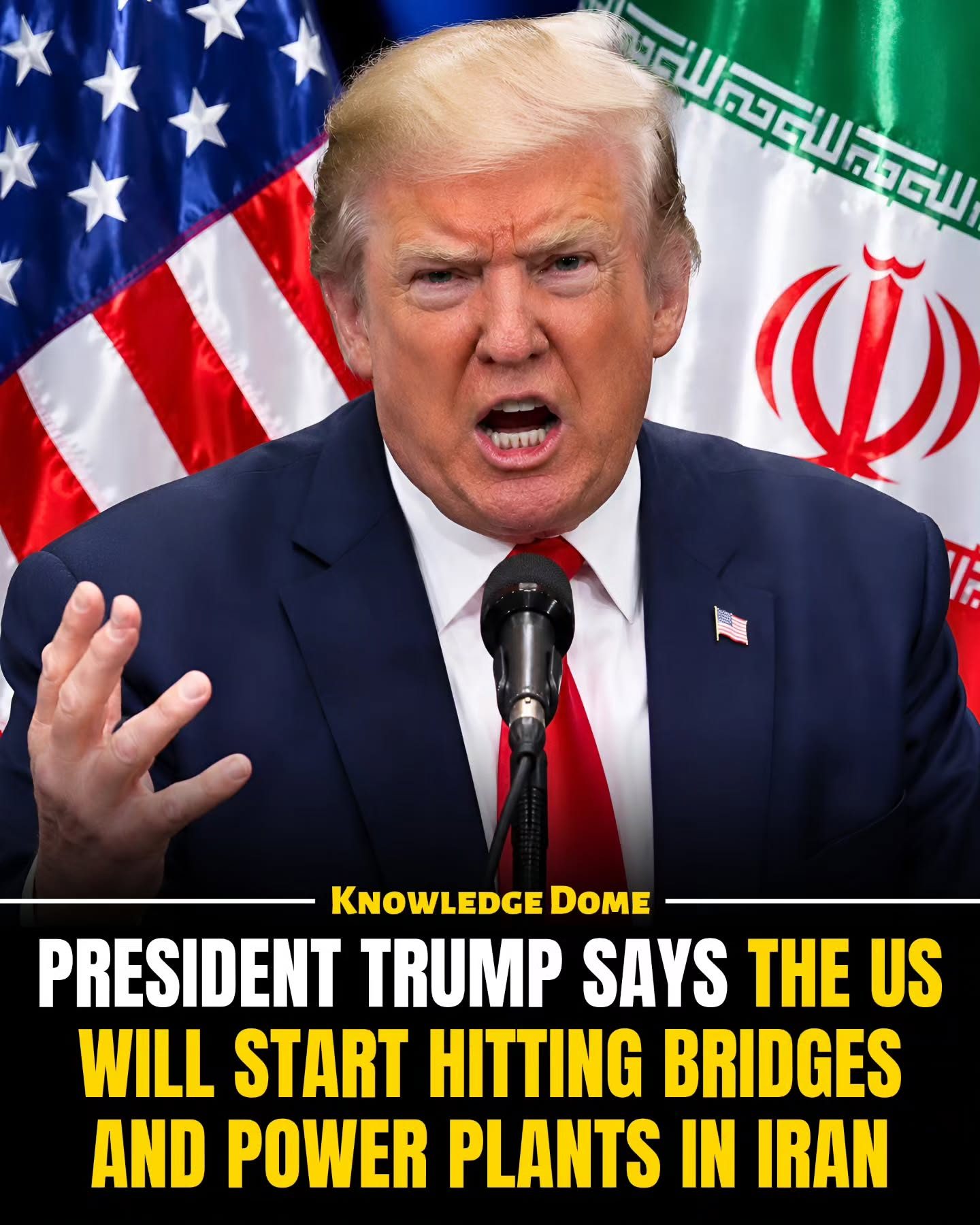
The Escalating Tensions Between the United States and Iran
The recent escalation in tensions between the United States and Iran has reached a critical point, with significant implications for global security and civilian populations. U.S. President Donald Trump's warnings to Iran have sparked a series of events that have intensified the conflict, raising concerns about the safety and well-being of ordinary people in the region.
Context / Why this matters
The situation is complex and multifaceted, involving diplomatic threats, military actions, and humanitarian concerns. Understanding the nuances of this conflict is crucial for grasping its potential impact on global stability.
Diplomatic Standoffs and Military Threats
President Trump's statements, made during a Fox News interview, have been particularly impactful. He warned that the U.S. could target Iran's critical infrastructure, including power plants and bridges, if Iran did not return to negotiations. According to Reuters, Trump repeated these threats, emphasizing that the U.S. would not hesitate to take action if Iran refused to engage in talks.
Escalation of Military Actions
The aftermath of Trump's warnings has seen a significant escalation in military activities. The U.S. resumed a naval blockade of Iranian ports and carried out additional airstrikes. Al Jazeera reported that these strikes have targeted roads, bridges, and power plants in Iran, causing significant damage to the country's infrastructure.
In response to these actions, Iranian state media reported that bridges in the southern region have been hit, which has made travel and movement increasingly difficult for civilians. The disruption of these essential services has exacerbated the humanitarian crisis, affecting daily life for ordinary people.
Main Discussion
Impact on Civilian Populations
The attacks on Iran's infrastructure have raised serious concerns about the safety and well-being of civilians. Power plants, bridges, roads, and other basic services are essential for daily life, and their disruption can have severe consequences. Amnesty International has highlighted that these attacks can cause severe harm to civilians, who are often the most vulnerable in times of conflict.
Legal and Humanitarian Concerns
The targeting of civilian infrastructure raises important legal and humanitarian questions. International humanitarian law protects civilians and civilian objects from being targeted in conflicts. Legal experts have pointed out that attacks on energy infrastructure and other basic services can violate these protections, leading to further suffering for innocent people.
Global Reactions and Calls for Diplomacy
The escalating conflict has garnered attention worldwide, with many calling for a diplomatic resolution to prevent further damage. The international community has expressed concerns about the rising tensions and the potential for a broader conflict. There are increasing calls for both sides to engage in negotiations to find a peaceful solution.
Practical Tips
For Those in the Region
If you are in the affected region, it is crucial to stay informed about the situation and follow safety guidelines provided by local authorities. Staying connected to reliable news sources and emergency services can help you stay safe.
For Global Citizens
Even if you are not directly affected, it is important to stay informed about the situation. Understanding the broader implications of the conflict can help you advocate for peace and support humanitarian efforts in the region. Engaging in constructive dialogue and promoting diplomatic solutions can contribute to a more peaceful world.
Important Takeaways
This escalation in tensions serves as a stark reminder of the complex and often volatile nature of international relations. It underscores the importance of diplomatic efforts and the protection of civilian populations during conflicts. The targeting of critical infrastructure and the resulting humanitarian crisis highlight the need for a peaceful resolution to the conflict.
Conclusion
The situation between the United States and Iran is highly volatile and has significant implications for global security and the civilian population in Iran. The recent military actions and diplomatic threats have escalated tensions, raising concerns about the safety and well-being of ordinary people. It is critical for the international community to support efforts towards a peaceful resolution and to advocate for the protection of civilians during conflicts.
Watch the Reel
Questions readers ask
What specific infrastructure has President Trump threatened to target in Iran?
President Trump has explicitly mentioned power plants and bridges as potential targets in Iran. These threats indicate a significant escalation in the conflict, as they pose a substantial risk to Iran's critical infrastructure and civilian safety.
How might these threats to Iranian infrastructure impact civilians?
Strikes on power plants and bridges could severely disrupt daily life, cutting off access to essential services like electricity and safe passage, while posing significant safety risks to those in the vicinity of these targets.
What is the current state of U.S.-Iran relations following Trump's warnings?
The tensions have escalated significantly. Trump's warnings have heightened the risk of military confrontation, making the situation more volatile and unpredictable. Both countries are on high alert, and there is a increased likelihood of further conflict.
Have there been any responses from Iran to Trump's threats?
While the article does not detail specific responses, it is likely that Iran has issued counter-threats or diplomatic retorts. In such high-stakes scenarios, both sides typically engage in a war of words, with each trying to assert their strength and resolve.
What are the potential global implications of these escalating tensions?
The escalating conflict could lead to broader instability in the Middle East, drawing in other regional players and potentially even global powers. It could also impact global energy markets, as Iran is a significant oil producer, and disruptions could lead to price increases and supply shortages.
Why are power plants and bridges considered strategic targets?
Power plants are crucial for electricity supply, and bridges are vital for transportation and logistics. Targeting these strategic assets can cripple a country's ability to function, making them attractive targets in a conflict, but also increasing the risk to civilians.
What measures can be taken to de-escalate the situation?
Diplomatic efforts, international mediation, and direct negotiations between the U.S. and Iran could help reduce tensions. Additionally, both sides could demonstrate restraint and avoid actions that could be perceived as provocative, helping to create an environment conducive to peace.
Recent articles
Fresh deep dives from the latest Reels we unpacked.




Comments
Be the first to comment.