Recent Tensions Between Iran and Israel Risks Erupting Into Broader Conflict
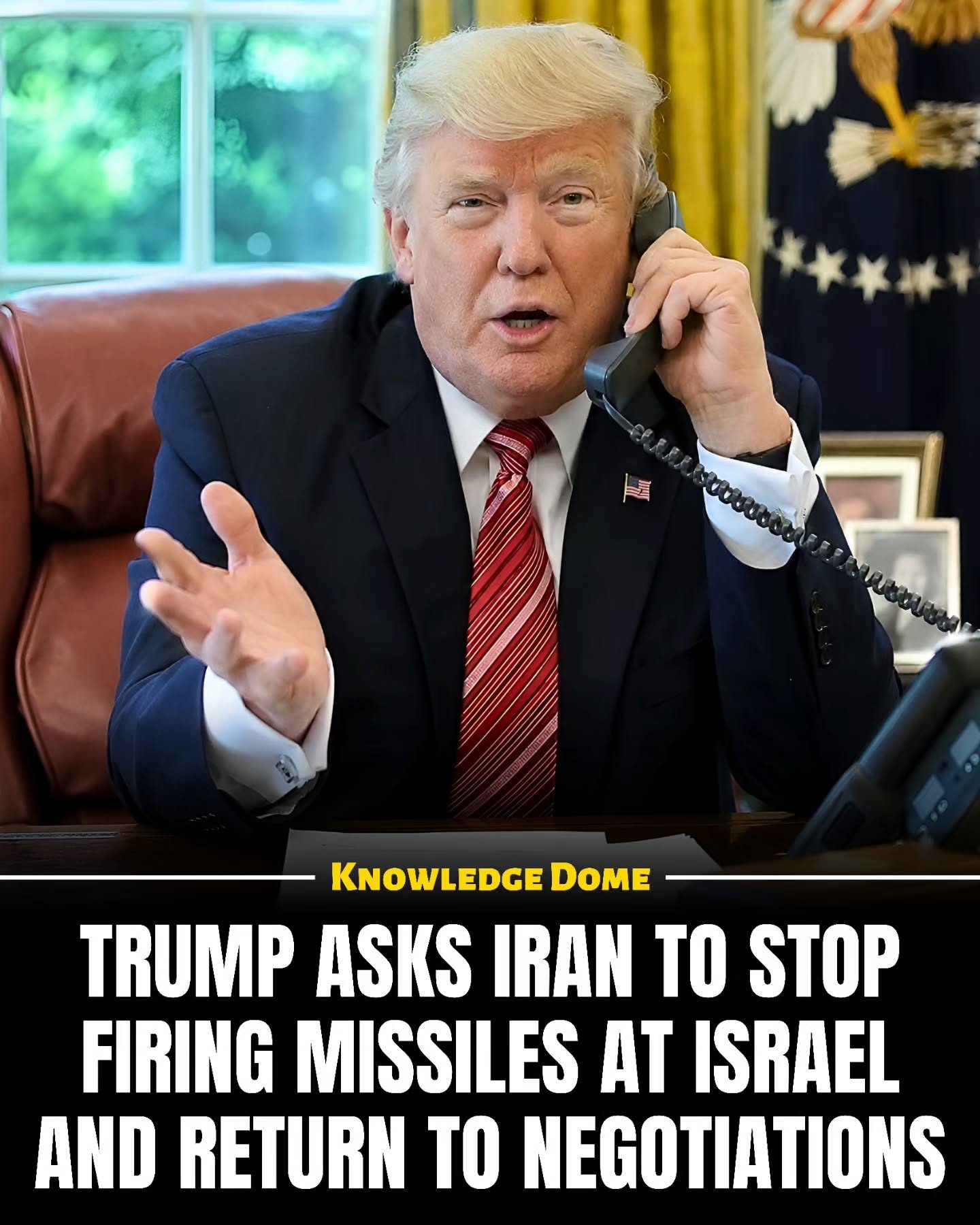
The recent uptick in hostilities between Iran and Israel has brought the Middle East once again to the brink of broader conflict. President Donald Trump has publicly urged Iran to cease its missile strikes against Israel and return to the negotiating table. This appeal comes after a new round of direct strikes between the two countries, which has raised fears that the region could spiral back into full-blown war.
Context / Why This Matters
The fragile ceasefire established in April has been tested by renewed aggression, underlining the volatility of the region. Iran and Israel have a long history of conflict, with tensions often boiling over into direct military exchanges. The recent strikes have heightened concerns that the situation could escalate beyond the two countries, drawing in other regional actors and potentially triggering a larger conflict.
Recent Developments
The New Round of Strikes
The recent round of strikes marks the first direct exchange between Iran and Israel since the April ceasefire. This new outbreak of violence has raised alarms about the potential spread of conflict across the region. Iran's military has announced a pause in its offensive operations, but has warned of a strong response if attacks against it continue. Israel, too, has signaled a pause in fighting but has made it clear that it will retaliate forcefully to any further attacks.
Trump's Involvement
President Donald Trump has been actively involved in the diplomatic efforts to de-escalate the situation. He has asserted that both Israel and Iran have expressed a willingness to halt the fighting and return to negotiations. According to Trump, the final stages of negotiations are already underway, and he expects a swift resolution to the crisis. However, the ground reality is still tense, and the path to peace is fraught with challenges.
Regional Implications
The recent hostilities have renewed fears that the conflict could spread across the region, drawing in other countries and potentially leading to a broader war. The Middle East is a powder keg of competing interests, and any escalation between Iran and Israel could have far-reaching consequences for the entire region.
Main Discussion
Trump's Role in the Negotiations
Trump's involvement in the diplomatic efforts to resolve the conflict is significant. His calls for a cessation of hostilities and a return to negotiations have put pressure on both Iran and Israel to seek a peaceful resolution. However, the effectiveness of these diplomatic efforts remains to be seen, as the situation on the ground is still volatile.
The April Ceasefire and Its Fragility
The April ceasefire was a tenuous agreement that sought to end the hostilities between Iran and Israel. However, the recent round of strikes has exposed the fragility of this ceasefire and the challenges of maintaining peace in a region fraught with tension. The resumption of hostilities underscores the need for a more durable solution to the conflict.
Iran and Israel's Stances
Both Iran and Israel have signaled a willingness to halt the fighting but have also made it clear that they will not hesitate to respond to any further attacks. Iran's military has paused its offensive operations but has warned of a strong response if attacks continue. Israel has similarly signaled a pause in fighting but has made it clear that it will retaliate forcefully to any further attacks. This stance reflects the deep-seated animosity between the two countries and the challenges of resolving their differences.
The Role of the International Community
The international community has a crucial role to play in resolving the conflict. The diplomatic efforts of countries like the United States are essential in bringing the two sides to the negotiating table. However, the effectiveness of these efforts will depend on the willingness of Iran and Israel to engage in meaningful dialogue and make concessions.
Practical Tips
For Negotiators
Negotiators involved in the conflict resolution process must recognize the deep-seated animosity between Iran and Israel and the challenges of resolving their differences. They must also be prepared to engage in tough negotiations and make difficult concessions to achieve a lasting peace.
For the International Community
The international community must remain actively engaged in the diplomatic efforts to resolve the conflict. They must provide the necessary support to the negotiating process and ensure that the outcome is a durable solution that addresses the root causes of the conflict.
Important Takeaways
- The recent round of strikes between Iran and Israel underscores the fragility of the April ceasefire and the challenges of maintaining peace in the region. The conflict could spread across the region if not resolved quickly.
- President Donald Trump's involvement in the diplomatic efforts to resolve the conflict is significant, but the effectiveness of these efforts remains to be seen.
- The international community has a crucial role to play in resolving the conflict, and their support is essential for a durable solution.
Conclusion
The recent uptick in hostilities between Iran and Israel has brought the Middle East once again to the brink of a broader conflict. The fragile ceasefire established in April has been tested by renewed aggression, and the situation remains volatile. Diplomatic efforts by leaders like President Donald Trump are essential in bringing the two sides to the negotiating table. However, the effectiveness of these efforts will depend on the willingness of Iran and Israel to engage in meaningful dialogue and make concessions. The international community must remain actively engaged in the diplomatic efforts to resolve the conflict and provide the necessary support for a durable solution. The path to peace in the Middle East is fraught with challenges, but the current crisis underscores the need for a more durable solution to the conflict.
Watch the Reel
Questions readers ask
What prompted President Trump's call for Iran to pursue peace with Israel?
President Trump's call for peace came after a recent escalation in hostilities, including direct missile strikes between Iran and Israel, which raised concerns about a broader conflict in the Middle East.
What is the current status of the ceasefire between Iran and Israel?
The ceasefire established in April is fragile and has been threatened by renewed aggression from both sides. The recent missile strikes have put the ceasefire in jeopardy and increased tensions between the two countries.
How has the conflict between Iran and Israel evolved in recent months?
The conflict has seen an increase in direct military exchanges, with Iran and Israel engaging in missile strikes against each other. This escalation has raised fears of a wider regional conflict, despite calls for peace.
What is the significance of Trump's involvement in the Iran-Israel conflict?
Trump's public calls for Iran to stop its attacks and pursue peace negotiations highlight the U.S. administration's attempt to address the recent surge in tensions. However, the situation remains volatile despite Trump's intervention.
What steps can be taken to promote peace negotiations between Iran and Israel?
To promote peace, it is essential for both Iran and Israel to cease hostilities and engage in constructive dialogue. International diplomacy and mediation can play a crucial role in facilitating negotiations and preventing further escalation.
How have previous ceasefires between Iran and Israel fared?
Previous ceasefires between Iran and Israel have often been fragile and short-lived, with tensions frequently boiling over into direct military exchanges. The recent escalation underscores the challenge of maintaining long-term peace in the region.
What are the potential consequences of a broader conflict between Iran and Israel?
A broader conflict could have severe consequences, including increased regional instability, loss of life, and potential involvement of other Middle Eastern nations. It could also draw in global powers, further complicating the situation.
Recent articles
Fresh deep dives from the latest Reels we unpacked.




Comments
Be the first to comment.