The Complexities of U.S.-Spain Relations During the Trump Administration
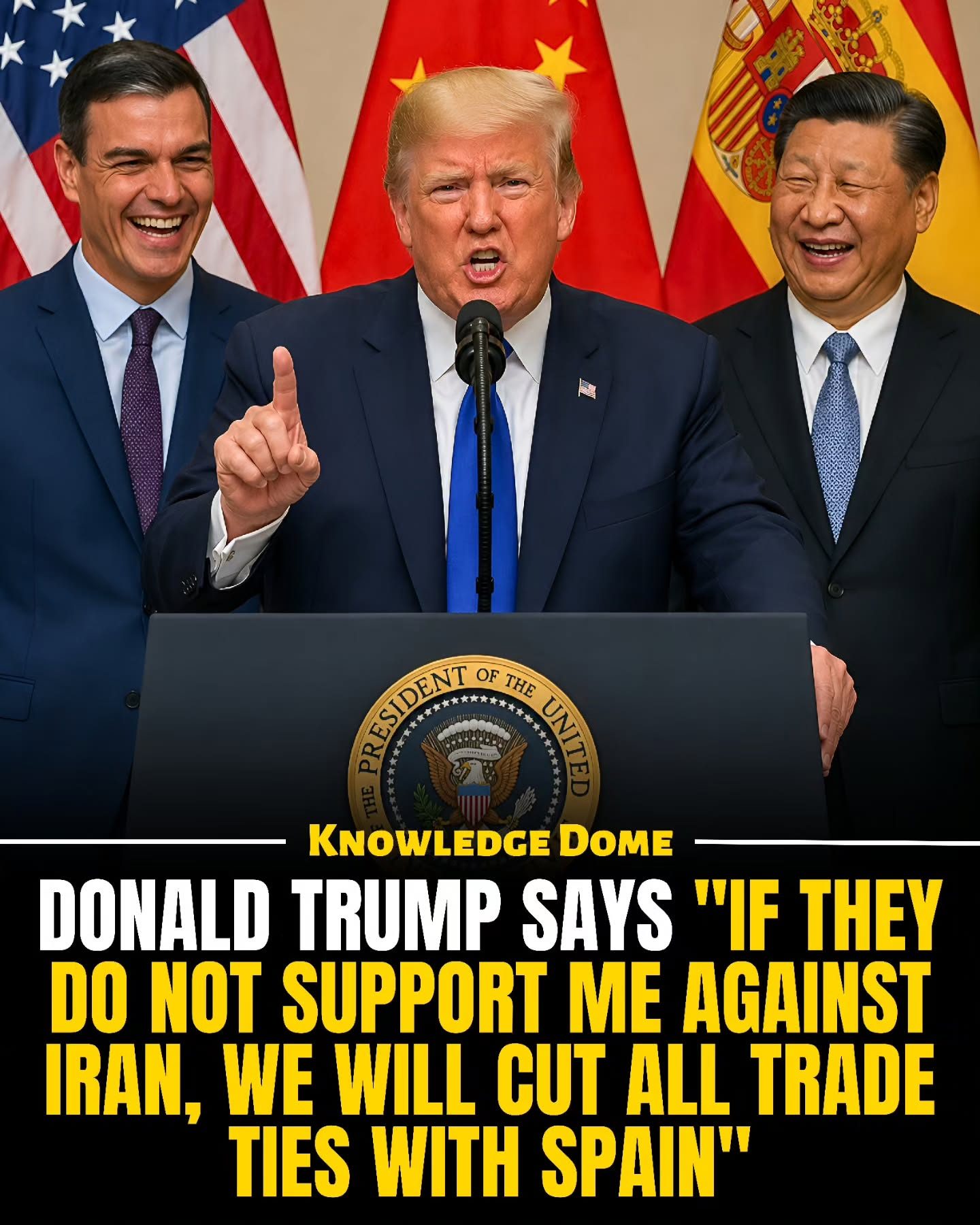
In 2019, former U.S. President Donald Trump threatened to sever trade ties with Spain following Madrid's refusal to allow the U.S. to utilize jointly operated military bases for strikes related to Iran. This move added significant tension to the already strained U.S.-Spain relations. The repercussions of this diplomatic standoff extended beyond the borders of the two countries, pulling in global powers like China and the broader European Union.
Why This Matters
The diplomatic fallout between the U.S. and Spain highlights the delicate balance of international relations and the complexities of trade agreements. The U.S. military’s alliance with Spain, including the use of military bases, is pivotal for regional security and stability. However, this diplomatic dispute also underscores the broader geopolitical landscape, where national sovereignty, military alliances, and trade policies intersect with larger geopolitical strategies.
The Diplomatic Dispute
U.S. Military Bases in Spain
The U.S. has maintained military bases in Spain for decades, playing a crucial role in NATO’s defense strategy and U.S. military operations. These bases are strategically located for rapid response to conflicts in the Middle East and Africa. Spain’s refusal to allow the use of these bases for strikes against Iran was a significant turning point in the relationship between the two countries.
Spain's Firm Stance
Spain’s decision to stand firm against the U.S. demands was rooted in its commitment to international law and its own humanitarian principles. The Spanish government argued that the military bases could not be used for attacks that might lead to civilian casualties and further destabilize the region. This stance not only affected U.S.-Spain relations but also had broader implications for European security and the European Union’s (EU) stance on international conflicts.
The Response from Spain
Following the U.S. threat, Spanish Prime Minister Pedro Sánchez visited Beijing and sought closer ties with China. This move was a clear signal of Spain’s willingness to diversify its diplomatic and economic alliances. Spain and China signed 19 agreements across various sectors, including trade, technology, education, and culture, while Beijing agreed to help reduce Spain’s trade deficit with China. This deficit was substantial, with a trade gap close to $50 billion and total bilateral trade around $55 billion. Sánchez’s visit underscored Spain’s desire to balance its economic and political interests in the face of U.S. pressure.
The Role of China
Economic Agreements
Spain’s pivot towards China was not merely symbolic. It involved the signing of significant trade agreements, which signaled a shift in Spain’s economic strategy. These agreements covered a wide range of sectors, from technology to education, and were designed to bolster Spain’s economic standing globally. China, as a rising economic power, offered Spain a valuable partner to balance its trade deficit and reduce its reliance on the U.S.
Political Implications
The move towards closer ties with China also had political implications. It sent a clear message to the U.S. about Spain’s sovereignty and its willingness to chart an independent course. This diplomatic maneuvering highlighted the complexities of international relations and the balancing act countries must perform to maintain their interests.
The Impact on Europe
EU Trade Policies
Any potential trade embargo by the U.S. on Spain would face significant hurdles due to the EU’s centralized trade policy. Trade decisions in the EU are handled at the EU level, making it difficult for the U.S. to impose unilateral sanctions on a single member country. This situation underscored the inherent complexities of international trade and the role of supranational organizations like the EU.
Broader European Implications
The dispute also had broader implications for Europe. It highlighted the delicate balance between national sovereignty and supranational cooperation within the EU. The EU’s approach to trade and foreign policy must navigate between the interests of member states and the broader geopolitical landscape.
Practical Tips for Understanding Geopolitical Dynamics
Stay Informed
International relations are complex and ever-changing. Staying informed about key developments and shifts in alliances can help individuals and businesses navigate the global landscape more effectively. Follow reliable news sources and analyze geopolitical trends to understand the underlying dynamics.
Consider Multiple Perspectives
When evaluating international conflicts, it’s essential to consider multiple perspectives. Understanding the motivations and interests of various stakeholders can provide a more comprehensive view of the situation. This approach helps in making informed decisions and avoiding misinterpretations.
Monitor Trade Agreements
Trade agreements play a crucial role in shaping international relations. Keep an eye on major trade deals and their implications for global economies. These agreements often reflect broader geopolitical strategies and can significantly impact business and economic activities.
Recognize the Role of Supranational Organizations
Organizations like the EU play a critical role in shaping global policies and trade agreements. Recognizing their influence and understanding their decision-making processes can help in navigating international relations more effectively.
Important Takeaways
The diplomatic dispute between the U.S. and Spain over the use of military bases and the subsequent shifts in Spain’s alliances highlight the complex nature of international relations. The move towards closer ties with China and the broader implications for European security and trade policies underscore the importance of navigating geopolitical dynamics with a nuanced understanding.
Conclusion
The complex interplay of national sovereignty, military alliances, and trade policies in the U.S.-Spain dispute illustrates the delicate balance of international relations. As countries continue to navigate a rapidly changing global landscape, understanding the nuances of these relationships becomes increasingly important. By staying informed, considering multiple perspectives, and recognizing the role of supranational organizations, individuals and businesses can better navigate the intricacies of the modern geopolitical world.
Watch the Reel
Questions readers ask
Why did Trump threaten a trade war with Spain in 2019?
Former President Trump threatened trade retribution against Spain in 2019 because Spain denied the U.S. permission to use their shared military bases for operations related to the Iran conflict. This denial led to a tense diplomatic standoff between the two countries.
Which military activities did Spain restrict at their military bases?
Spain restricted the use of their military bases for U.S. strikes related to the Iran conflict. The bases were jointly operated and had historically been used for various military operations.
What was the potential impact of Trump's threatened trade war on global powers?
The potential trade war between the U.S. and Spain could have had broader implications, drawing in global powers such as China and the European Union. These entities could have been affected by shifts in trade dynamics and potential realignments of international alliances.
Why are military bases in Spain crucial to U.S. military strategy?
The military bases in Spain are pivotal to U.S. military strategy due to their strategic locations and the support they provide for regional operations. These bases facilitate operations in Europe, Africa, and the Middle East, helping to maintain U.S. military presence and influence in these areas.
What was the broader impact of the diplomatic standoff between the U.S. and Spain?
The diplomatic fallout between the U.S. and Spain highlighted the intricate balance of international relations and the complexities of geopolitical strategies. It also underscored the delicate nature of trade agreements and the potential for disruption in broader geopolitical strategies.
Recent articles
Fresh deep dives from the latest Reels we unpacked.




Comments
Be the first to comment.