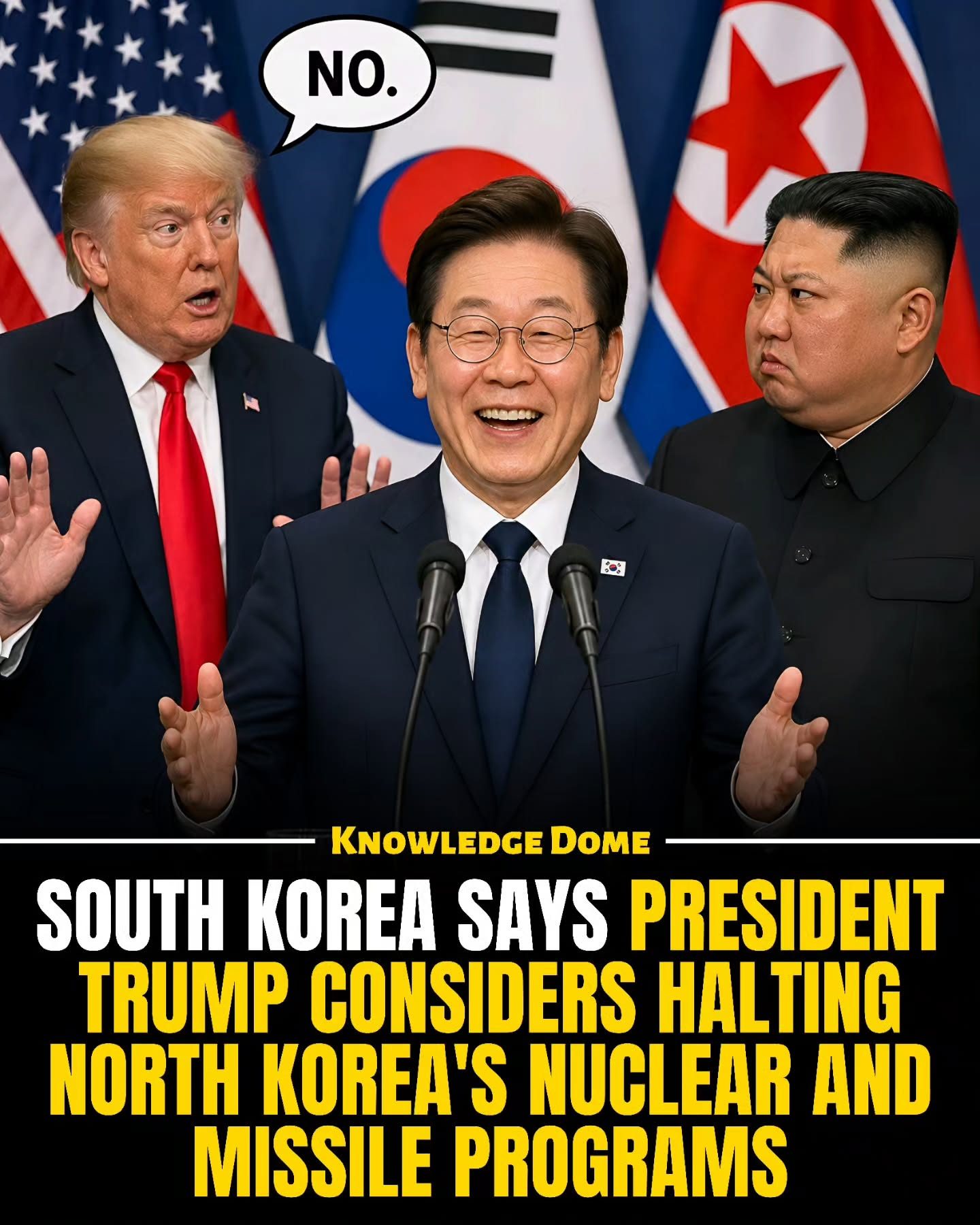
The Phased Plan: Trump's Approach to North Korea's Nuclear Issue
The prospect of a phased plan to address North Korea’s nuclear and missile programs has surfaced, as hinted by discussions between U.S. President Donald Trump and South Korean President Lee Jae Myung. This approach, if implemented, would mark a significant shift in how the international community tackles the long-standing nuclear issue on the Korean Peninsula. It aims to freeze North Korea’s nuclear and missile activities first, before moving towards full denuclearization.
Context / Why this matters
Understanding the phased plan is crucial because it represents a strategic pivot from the traditional all-or-nothing approach to denuclearization. North Korea’s nuclear program has been a contentious issue for decades, with various nations attempting to curb its development through sanctions and diplomatic pressure. A phased plan could offer a more practical and incremental path to achieving denuclearization, taking into account North Korea’s capabilities and the geopolitical landscape.
Main discussion
The Phased Plan: Step-by-Step Strategy
Lee Jae Myung's disclosure of the phased plan involves several key steps:
- Freezing Nuclear and Missile Programs: The initial phase would focus on halting North Korea’s ongoing nuclear and missile activities. This includes stopping the production of nuclear material, preventing the transfer of nuclear weapons and materials to other countries, and halting further development of long-range missiles, including re-entry technology.
- Incremental Progress: By focusing on these immediate goals, the phased plan aims to create a more stable environment for further negotiations. The idea is to address the most pressing issues first, which could build trust and create a foundation for more comprehensive negotiations later.
- Adaptability: The plan recognizes that pressure and sanctions alone are not sufficient. North Korea’s continued development of nuclear capabilities and its growing military ties with Russia necessitate a more nuanced approach. The phased plan incorporates this adaptability, making it a potential game-changer in the ongoing nuclear stalemate.
The Role of Diplomacy
Diplomatic efforts are at the heart of this approach. Lee Jae Myung mentioned that he discussed this plan with Trump during a 90-minute conversation at a G7 dinner in France. The fact that Trump was receptive to the idea, acknowledging it as a "possible way," highlights the potential for diplomatic collaboration.
The Impact on Sanctions and Pressure
Sanctions and diplomatic pressure have been the primary tools used to curb North Korea’s nuclear ambitions. However, their effectiveness has been limited. The phased plan suggests that while sanctions will remain, there is a need to complement them with a more strategic and incremental approach. This shift could provide a more effective pathway to denuclearization by addressing specific issues in a step-by-step manner.
Practical tips
For those interested in the political dynamics of the Korean Peninsula, here are some practical tips to stay informed:
- Follow Diplomatic Developments: Keep an eye on statements and meetings between U.S. and South Korean officials, as well as any developments in the UN Security Council. These are key indicators of how the phased plan might be evolving.
- Monitor North Korea’s Actions: Pay attention to North Korea’s missile tests, nuclear activities, and any changes in its relations with Russia and other nations. These actions can signal North Korea’s willingness to engage in the phased plan or its resistance to it.
- Stay Updated on Policy Shifts: Look for any changes in U.S. and international policies regarding North Korea. A phased plan would likely involve adjustments in sanctions, diplomatic outreach, and military readiness.
Important takeaways
Diplomatic Efforts
The willingness of President Trump and Lee Jae Myung to consider a phased plan underscores the importance of diplomatic efforts in resolving complex international issues. Diplomacy provides a framework for building trust and creating a more stable environment for negotiations.
Adaptability
The phased plan highlights the need for adaptability in dealing with North Korea. Rather than relying solely on sanctions and pressure, this approach recognizes the need for a multi-faceted strategy that takes into account North Korea’s evolving capabilities and the shifting geopolitical landscape.
Strategic Incrementalism
A phased approach allows for strategic incrementalism, addressing immediate and pressing issues first, which can create a foundation for more comprehensive negotiations. This method can build trust and pave the way for broader and more effective solutions.
Conclusion
The phased plan proposed by South Korean President Lee Jae Myung offers a strategic and adaptable approach to halting North Korea’s nuclear and missile programs. By focusing on incremental progress and recognizing the need for a multi-faceted strategy, this plan could provide a more effective pathway to denuclearization. It underscores the importance of diplomacy and adaptability in achieving long-term goals in a complex and ever-changing geopolitical landscape.
Watch the Reel
Questions readers ask
What is the main goal of the phased plan discussed by Trump and South Korean President Lee Jae Myung?
The primary goal of the phased plan is to first freeze North Korea's nuclear and missile activities, marking a departure from previous strategies that focused on immediate and full denuclearization. This approach aims to make progress incrementally.
How does the phased plan differ from traditional methods of addressing North Korea's nuclear issue?
Traditional methods have typically demanded complete denuclearization upfront, while the phased plan is a strategic pivot towards incremental progress. This new approach allows for adaptation and flexibility in negotiations, potentially making it more effective in the long term.
What is the significance of freezing North Korea's nuclear and missile activities as an initial step?
Freezing nuclear and missile activities is a critical initial step because it addresses the immediate threat posed by North Korea's weapons programs. This step allows for a reduction in tension and creates a more stable environment for further negotiations.
Why is the involvement of South Korea crucial in this phased plan?
South Korea's involvement is crucial because it shares a border with North Korea and has a significant stake in the region's stability. Collaborating with the U.S. on this plan ensures that both countries are aligned in their approach and can work together to address the nuclear issue more effectively.
What are the potential benefits of a phased approach to North Korea's denuclearization?
A phased approach offers several benefits, including reduced immediate threat, increased flexibility in negotiations, and the potential for incremental progress. This approach also allows for the adaptation of the strategy as circumstances change, making it a more dynamic and potentially more successful method.
How might the phased plan impact the broader geopolitical strategy in the region?
The phased plan could significantly impact the broader geopolitical strategy by fostering a more cooperative environment between the U.S. and South Korea. It also sets a precedent for addressing other complex issues through a more adaptive and incremental strategy.
What challenges might the phased plan face in its implementation?
The phased plan may face several challenges, including North Korea's willingness to comply with the freeze on nuclear and missile activities, maintaining international consensus, and ensuring that incremental progress leads to meaningful long-term results.
Recent articles
Fresh deep dives from the latest Reels we unpacked.




Comments
Be the first to comment.